
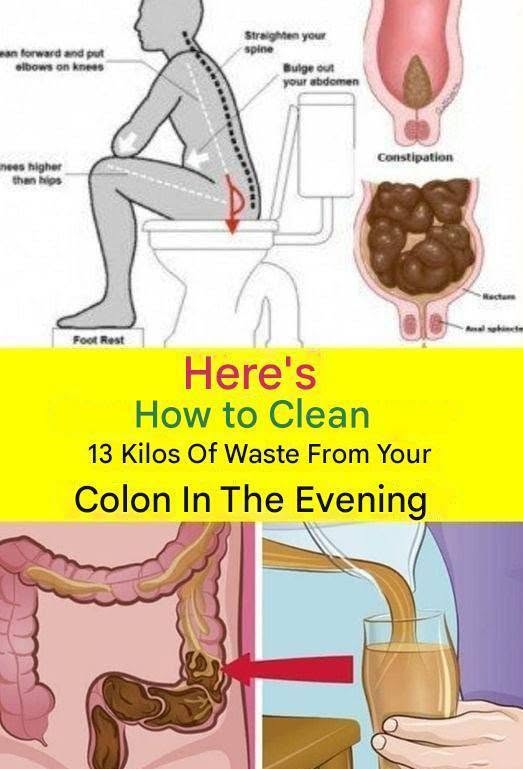
Digestive comfort is a fundamental pillar of overall health, energy levels, and daily well-being. Occasional constipation, bloating, and irregular bowel movements affect millions of people, leading many to search for quick solutions online. Viral social media graphics frequently promise dramatic detoxes, claiming you can “cleanse 13 kilos of waste” overnight.
While extreme detox claims are medical myths—the human body naturally cleanses itself without drastic laxative cleanses—simple, evidence-based habits can effectively relieve constipation, improve bowel motility, and optimize colon health.
This comprehensive guide breaks down the science of digestion, debunks viral colon detox claims, and provides actionable, doctor-backed strategies to keep your digestive system running smoothly.
Debunking the “13 Kilos of Colon Waste” Myth
Sensational health claims online often urge people to try aggressive detox teas or extreme cleanses to eliminate massive amounts of stored intestinal waste.
-
Natural Waste Elimination: The body naturally processes and eliminates food waste via normal peristalsis. The colon does not store tens of pounds of toxic buildup under normal conditions.
-
Risks of Extreme Cleanses: Overusing harsh laxative teas or severe detox supplements can lead to electrolyte imbalances, severe dehydration, and dependency, disrupting the natural rhythmic contractions of your intestines.
Proper Defecation Posture: The Squatting Position
One of the most effective, immediate ways to ease bowel movements involves correcting posture on the toilet.
The Science Behind the Anorectal Angle
When sitting on a standard modern toilet, the puborectalis muscle remains partially constricted, creating a bend in the rectum that makes passing stool harder.
-
Using a Foot Stool: Elevating your feet with a small bathroom stool (or leaning forward with elbows on knees) brings your knees above your hips.
-
Straightening the Path: This squatting posture fully relaxes the puborectalis muscle, straightening the anorectal angle and allowing stool to pass smoothly with minimal strain.
5 Natural Ways to Relieve Constipation
Improving bowel regularity relies on consistent dietary and lifestyle habits rather than overnight fixes:
-
Increase Dietary Fiber Gradually: Incorporate soluble and insoluble fiber into your daily meals—such as oats, chia seeds, flaxseeds, beans, and fresh fruits—to add bulk and soften stool.
-
Prioritize Hydration: Drink plenty of water throughout the day. Fiber requires adequate hydration to draw water into the stool, making it easier to pass.
-
Engage in Daily Physical Activity: Regular movement, such as walking or yoga, stimulates intestinal muscles and accelerates digestive transit time.
-
Incorporate Natural Probiotics: Eat fermented foods like yogurt, kefir, or kimchi to support a balanced microbiome and healthy gut bacteria.
-
Listen to Your Body’s Signals: Avoid suppressing the urge to have a bowel movement, as delaying it allows the colon to absorb more water, making stool harder and drier.
Healthcare, Insurance, and Financial Protection
Addressing persistent digestive issues involves accessing diagnostic healthcare services, proper nutrition planning, and long-term security.
Health Insurance and Diagnostic Gastroenterology
When chronic constipation or severe abdominal pain persists, seeking professional medical evaluation is essential:
-
Medical Screening Coverage: Comprehensive health and medical insurance policies cover diagnostic checkups, specialist consultations with gastroenterologists, and screenings like colonoscopies when clinically indicated.
-
Preventive Care Benefits: Routine preventive health exams and nutritional counseling are typically covered under primary care plans.
Managing Healthcare and Financial Planning
Investing in high-quality whole foods, natural supplements, and preventative medical care requires organized financial management. Balancing personal finance goals, safeguarding investment portfolios, and maintaining retirement funds ensure economic stability. For significant medical treatments or specialized care plans, tools like a low-interest personal loan can help manage out-of-pocket expenses without impacting long-term savings.
Patient Rights and Legal Protections
If severe health complications arise from misdiagnosed gastrointestinal conditions or unsafe, unregulated detox products, consulting a medical malpractice attorney or consumer rights advocate helps clarify legal rights and options.
Daily Tips for Long-Term Gut Health
-
Start Your Morning with Warm Water: Drinking warm water or herbal tea in the morning can stimulate the gastrocolic reflex, encouraging natural bowel movements.
-
Avoid Habitual Laxative Use: Rely on dietary adjustments rather than over-the-counter stimulant laxatives unless directed by a doctor.
-
Maintain Consistent Meal Times: Eating meals at regular intervals supports predictable circadian rhythms for your digestive system.
Conclusion: Sustainable Habits Over Quick Fixes
Relieving constipation and supporting colon health does not require extreme detox routines or drastic cleanses. By adopting better toilet posture, eating a fiber-rich diet, staying hydrated, and consulting healthcare professionals when needed, you can maintain long-term digestive comfort naturally.
Frequently Asked Questions (FAQ)
1. Can you really lose 13 kilos of waste from your colon overnight?
No. This is a sensationalized viral claim. The human body does not store tens of pounds of waste in the colon under normal conditions.
2. How does a bathroom footstool help with constipation?
Elevating your feet raises your knees above your hips into a natural squatting position, which relaxes the puborectalis muscle and straightens the rectum for easier bowel movements.
3. Does health insurance cover colonoscopies?
Yes. Standard medical insurance plans cover diagnostic colonoscopies and routine preventive screenings for individuals meeting age or risk-factor criteria.
4. What foods help soften stool naturally?
Foods high in soluble fiber—such as prunes, chia seeds, apples, oats, and leafy greens—help draw water into stool, making it softer and easier to pass.
5. When should you see a doctor for constipation?
Consult a healthcare provider if constipation lasts longer than two weeks, is accompanied by severe abdominal pain, unexplained weight loss, or blood in the stool.
