
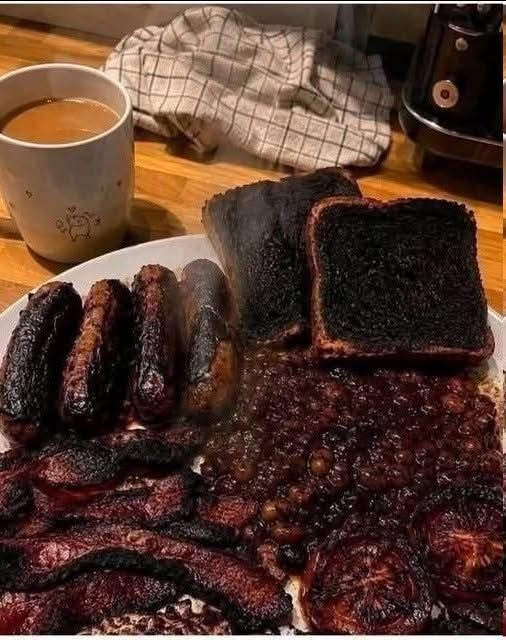
The traditional English breakfast, fondly known as the full fry-up, stands as one of the most iconic morning meals in culinary history. Hearty, rich, and comforting, a classic full English brings together a symphony of savory components: sizzling sausages, crispy bacon, fried eggs, warm baked beans, grilled tomatoes, sautéed mushrooms, and golden toast—all washed down with a steaming cup of tea or coffee.
While personal preferences vary on how dark or crispy each element should be, mastering the timing and temperature control of a full fry-up is essential to avoid over-charring your morning plate. In this ultimate guide, we explore the history of this classic dish, break down key ingredients, share essential cooking tips to prevent burnt breakfasts, and outline delicious variations.
The History of the Traditional Full English Breakfast
The origins of the full English breakfast trace back to the 13th century with the gentry class, who considered a lavish morning spread a symbol of hospitality and wealth. During the Victorian era, the meal was refined and standardized into what we recognize today, fueling working-class laborers before long factory shifts.
Today, the fry-up remains a beloved weekend ritual across the UK and around the world. Whether served as a hangover cure, a leisurely Sunday treat, or a vacation staple, the key to an exceptional breakfast lies in balancing high heat with proper timing.
Essential Components of a Classic Fry-Up
Creating a memorable breakfast requires managing multiple components simultaneously so every item finishes cooking warm at the exact same moment.
Primary Ingredients
-
Cumberland or Lincolnshire Sausages: Rich pork sausages with herbs providing a juicy, flavorful center.
-
Back Bacon or Thick-Cut Strips: Cured pork offering a crispy outer edge and savory bite.
-
Fresh Eggs: Typically fried sunny-side up with a runny yolk, though scrambled or poached options work equally well.
-
Baked Beans: Navy beans simmered in a rich, sweet tomato sauce to balance the salty meats.
-
Grilled Tomatoes and Mushrooms: Halved plum tomatoes and whole button mushrooms caramelized in the pan juices.
-
Toast or Fried Bread: Thick slices of artisan bread toasted until golden brown to soak up egg yolks and sauces.
Master Temperature Control: How to Avoid Charring Your Meal
Cooking multiple items in pan fat or high heat can quickly lead to excess smoke and burnt food if left unattended. Follow these culinary guidelines for ideal results:
1. Stagger Your Cooking Sequence
Start with dense items that require longer cooking times over medium-low heat (like sausages), then add bacon and vegetables, finishing lastly with quick-cooking eggs and toast.
2. Maintain Medium-Low Heat
High heat burns the exterior of sausages and bread before the interior cooks through. Keep your stovetop burner set to medium-low to achieve deep golden-brown caramelization without carbonizing the food.
3. Use an Oven Warm-Zone
Place finished items on a baking sheet inside a low oven (200°F / 95°C) while finishing delicate components like eggs. This prevents you from rushing or overheating items already in the skillet.
Breakfast Cooking Temperature Guide
| Item | Ideal Heat Level | Cooking Time | Target Appearance |
| Sausages | Medium-Low | 12–15 mins | Evenly browned skin, fully cooked center |
| Bacon | Medium | 6–8 mins | Crispy edges, golden fat |
| Baked Beans | Low (Simmer) | 5 mins | Warm and thickened sauce |
| Tomatoes & Mushrooms | Medium | 4–6 mins | Soft, lightly caramelized surfaces |
| Fried Eggs | Low to Medium | 2–3 mins | Set whites, runny yolk |
| Toast | Toasting / Medium | 2–3 mins | Crisp and golden yellow |
Frequently Asked Questions (FAQ)
What is the difference between an English and a Scottish breakfast?
A full Scottish breakfast typically includes local specialties alongside standard fry-up ingredients, such as black pudding, Lorne (square) sausage, haggis, and potato scones (tattie scones).
How do you keep fried bread from burning?
Ensure the pan fat is hot before adding the bread, but lower the heat immediately. Fry for just 1 to 2 minutes per side until golden brown, watching closely to prevent the oil from scorching.
What tea pairs best with a full breakfast?
A strong, robust black tea blend such as English Breakfast or Irish Breakfast paired with a splash of milk complements the rich, savory flavors perfectly.
Conclusion
A well-executed full English breakfast is a true celebration of comforting flavors. By managing your stove temperature, staggering your cooking sequence, and paying close attention to timing, you can serve a perfectly balanced, golden-brown fry-up every single time.
Scroll down to explore more related articles.
