
Every homeowner and gardening enthusiast knows the frustration of maintaining a lush, green lawn only to watch aggressive weeds take over during the warm summer months. Among the most common and persistent lawn invaders is crabgrass (Digitaria), a fast-growing annual weed that thrives in hot, dry conditions and thin, stressed turf.
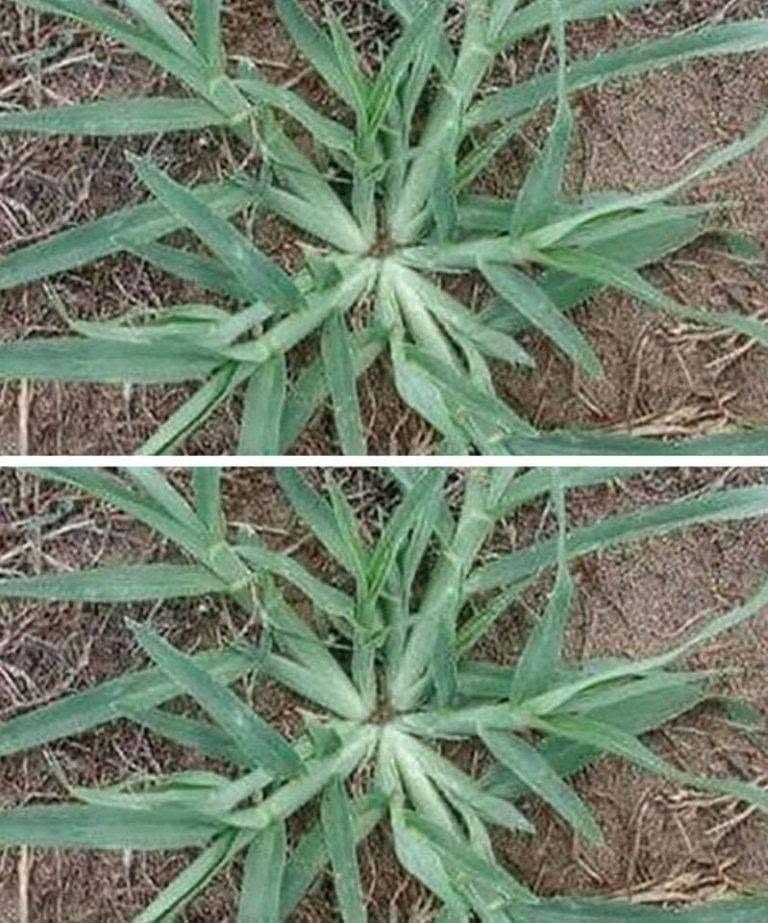
Images showing low-lying, sprawling green leaf clumps growing in a circular rosette pattern—like the weed pictured above—frequently circulate in gardening groups and social media forums as homeowners seek solutions to eradicate it. Here is everything you need to know about identifying crabgrass, understanding why it spreads so aggressively, and how to effectively remove it from your lawn.
How to Identify Crabgrass in Your Yard
Crabgrass gets its common name from its unique growth habit: the stems branch out horizontally from a central root structure, resembling crab legs sprawling low across the soil.
-
Growth Pattern: Crabgrass grows flat along the ground in a radiating rosette pattern, making it hard for lawn mower blades to reach.
-
Leaf Characteristics: The leaf blades are wide, coarse, and light green to yellowish-green, standing out sharply against finer turfgrass varieties.
-
Rooting Capability: As the stems spread horizontally, nodes along the stems can form new roots wherever they touch bare soil, allowing a single plant to cover a wide area rapidly.
Why Crabgrass Invades Lawns So Fast
Crabgrass is an opportunistic plant engineered by nature for rapid survival and expansion:
1. Massive Seed Production
A single crabgrass plant can produce up to 150,000 seeds in a single growing season. These seeds settle into the soil and can remain dormant for years until soil temperatures rise above 55°F (13°C) in spring.
2. Heat and Drought Tolerance
While desirable lawn grasses suffer and enter dormancy during high summer heat, crabgrass thrives in full sun, compacted soil, and dry conditions, quickly occupying weak spots in your turf.
Maintaining active outdoor spaces, property landscaping, and healthy lawn care routines connects directly to everyday home improvement, property value upkeep, and seasonal home management.
Proven Strategies to Control and Eradicate Crabgrass
Achieving a weed-free lawn requires a combination of preventive maintenance and targeted removal techniques:
-
Apply Pre-Emergent Herbicides in Early Spring: The most effective defense against crabgrass is applying a pre-emergent herbicide in early spring before seeds germinate. This forms a barrier in the soil that prevents young seedlings from taking root.
-
Practice Proper Mowing Heights: Set your lawn mower to a higher setting (3 to 4 inches). Taller grass shades the soil surface, blocking the sunlight that dormant crabgrass seeds need to germinate.
-
Hand-Pulling Young Plants: If crabgrass clumps appear in late spring or early summer, pull them out by hand before they produce seed heads, ensuring you extract the entire taproot system.
Frequently Asked Questions (FAQ)
Is crabgrass an annual or perennial weed?
Crabgrass is a warm-season annual weed. While existing plants die off with the first hard frost of winter, the seeds produced during summer will germinate the following spring if left untreated.
What is the best time to apply pre-emergent crabgrass control?
Apply pre-emergent herbicides in early spring when soil temperatures consistently reach 55°F for several consecutive days—typically around the time forsythia bushes begin blooming in your local region.
Conclusion: Reclaim Your Green Lawn Today
Dealing with crabgrass can be a challenge, but consistent care and timely preventive measures can restore your lawn to health. By maintaining thick, well-watered turf and applying pre-emergent treatments in early spring, you can stop crabgrass in its tracks before it has a chance to take over your yard!
Scroll down to explore more related articles.
