
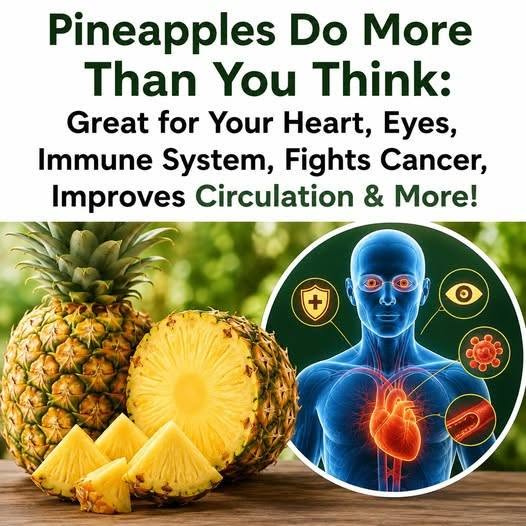
When you think of tropical fruits, the vibrant, juicy pineapple is usually at the top of the list. Famous for its sweet yet tangy flavor, pineapple is a staple in summer smoothies, fruit bowls, and savory tropical dishes. But beyond being a delicious treat, this crown-jewel fruit packs an extraordinary nutritional punch that modern medical science is only beginning to fully appreciate.
Rich in essential vitamins, minerals, antioxidants, and a unique digestive enzyme called bromelain, pineapples offer a wide range of preventive health benefits. From protecting your vision and bolstering immune defense to supporting cardiovascular circulation and fighting cellular damage, adding fresh pineapple to your daily diet can transform your overall health. Here is a detailed look at the science behind pineapple’s incredible health benefits and how it supports your body from the inside out.
1. Packed with Bromelain: Nature’s Powerful Anti-Inflammatory Engine
The secret weapon behind pineapple’s health reputation is bromelain, a unique mixture of protein-digesting enzymes (proteases) found in high concentrations in both the fruit and core of the plant.
-
Reduces Joint Inflammation: Bromelain possesses potent anti-inflammatory properties that help reduce swelling, joint stiffness, and tissue soreness, making it a popular natural remedy for people suffering from osteoarthritis or sports injuries.
-
Accelerates Post-Surgery Recovery: Clinical studies show that bromelain can speed up tissue recovery and reduce postoperative bruising and swelling following minor surgeries or dental procedures.
-
Aids Protein Digestion: Bromelain breaks down tough protein molecules into simple amino acids, easing the workload on your stomach and promoting smoother, faster digestion.
2. Fortifies the Immune System with Vitamin C and Antioxidants
A single cup of fresh pineapple chunks provides over 100% of the recommended daily intake of Vitamin C. This vital micronutrient is your body’s frontline defense against seasonal illnesses and infections.
-
Stimulates White Blood Cell Production: Vitamin C encourages the production and activity of white blood cells (phagocytes and lymphocytes), which neutralize invading viruses and bacteria.
-
Neutralizes Free Radicals: Pineapples are rich in flavonoid antioxidants and phenolic acids. These compounds bind to free radicals—unstable molecules that cause cellular oxidative stress—protecting healthy tissue from chronic damage.
3. Protects Heart Health and Improves Circulation
Cardiovascular wellness relies heavily on smooth blood flow, healthy arterial walls, and balanced blood pressure. Pineapple contributes to a healthy heart through a combination of key nutrients:
Supports Smooth Blood Flow
Bromelain acts as a mild natural blood-thinning agent by helping to break down fibrin, a protein involved in blood clot formation. By preventing excessive blood platelet aggregation, pineapple helps maintain healthy blood vessel circulation and reduces the risk of dangerous blockages.
Regulates Blood Pressure
Pineapple contains a healthy dose of potassium alongside very low sodium levels. Potassium works to dilate blood vessel walls, easing pressure on arteries and allowing your heart to pump blood effortlessly throughout your extremities.
Managing cardiovascular health through proper nutrition is an essential part of long-term health insurance planning, preventive healthcare routines, and overall lifestyle wellness.
4. Fights Cancerous Cellular Damage
While no single food can outright cure cancer, eating antioxidant-rich, anti-inflammatory foods like pineapple helps build a strong defense against malignant cellular changes.
-
Inhibits Oxidative Stress: Chronic inflammation and oxidative damage to DNA are primary triggers for tumor formation. The combination of Vitamin C, manganese, and polyphenols in pineapple neutralizes free radicals before they can mutate healthy cells.
-
Bromelain’s Anti-Tumor Research: Preliminary laboratory studies suggest that concentrated bromelain may suppress the growth of certain cancer cells, including colon, breast, and skin cancer strains, while promoting natural programmed cell death (apoptosis).
5. Supports Eye Health and Preserves Vision
As we age, our eyes become increasingly susceptible to conditions like macular degeneration and cataracts caused by cumulative light exposure and oxidative strain.
-
Beta-Carotene and Vitamin A: Pineapple contains trace amounts of beta-carotene and essential antioxidants that nourish the retina and protect eye tissue from UV light damage.
-
Reduces Macular Degeneration Risk: Studies indicate that consuming three or more servings of antioxidant-rich fruits daily can significantly reduce the risk of age-related macular degeneration (AMD), helping preserve sharp, clear vision well into your senior years.
Practical Tips for Buying, Storing, and Enjoying Fresh Pineapple
To get the maximum nutritional value out of your pineapple, follow these simple preparation tips:
-
How to Choose a Ripe Pineapple: Look for a fruit with vibrant green leaves, a firm body, and a sweet, tropical aroma at the stem base. Avoid pineapples with soft spots or a fermented odor.
-
Eat the Core (Where the Bromelain Is!): The fibrous central core of the pineapple contains the highest concentration of bromelain. Instead of throwing it away, slice it thinly or blend it into morning smoothies.
-
Enjoy Fresh over Canned: Canned pineapple is often packed in heavy sugary syrup, and the high-heat canning process degrades heat-sensitive bromelain enzymes and Vitamin C. Whenever possible, choose fresh or flash-frozen pineapple chunks.
-
Prevent “Tongue Stung” Sensations: The tingling sensation you feel on your tongue when eating pineapple is caused by bromelain breaking down surface proteins. Soaking sliced pineapple in a mild saltwater solution for a few minutes or grilling it lightly neutralizes the enzyme without sacrificing flavor!
Fascinating Facts About Pineapples
-
It’s Actually a Cluster of Berries: A pineapple is not a single fruit, but a large cluster of dozens of individual fruitlets fused together around a central core.
-
Historical Symbol of Hospitality: In 18th-century Europe, pineapples were so rare and expensive that wealthy aristocrats rented them for the night just to display them as centerpieces at high-society dinner parties!
-
Slow Growth Cycle: It takes roughly 18 to 24 months for a single pineapple plant to produce just one harvestable fruit.
Frequently Asked Questions (FAQ)
Can eating pineapple help with stomach bloating?
Yes! The digestive enzyme bromelain helps break down complex proteins in your stomach, reducing gas, bloating, and indigestion after heavy meals.
Is pineapple safe for people with diabetes?
Pineapple contains natural sugars, but it also provides dietary fiber and carries a medium glycemic index (GI) score. When eaten in moderate, controlled portions—preferably alongside healthy fats or proteins—it can easily fit into a balanced diabetic meal plan.
Does cooking pineapple destroy its health benefits?
High-temperature cooking or baking reduces Vitamin C levels and deactivates the bromelain enzyme. For maximum enzyme activity and immune support, consume fresh, raw pineapple.
Conclusion: Embrace the Power of Fresh Pineapple
Adding fresh pineapple to your daily diet is one of the easiest, most delicious ways to support your body’s vital systems. From calming joint inflammation and smoothing circulation to shielding your eyes and strengthening your immune system, this tropical powerhouse offers far more than just sweet taste. Slice up a fresh pineapple today and give your body the natural nutrient boost it deserves!
Scroll down to explore more related articles.
