
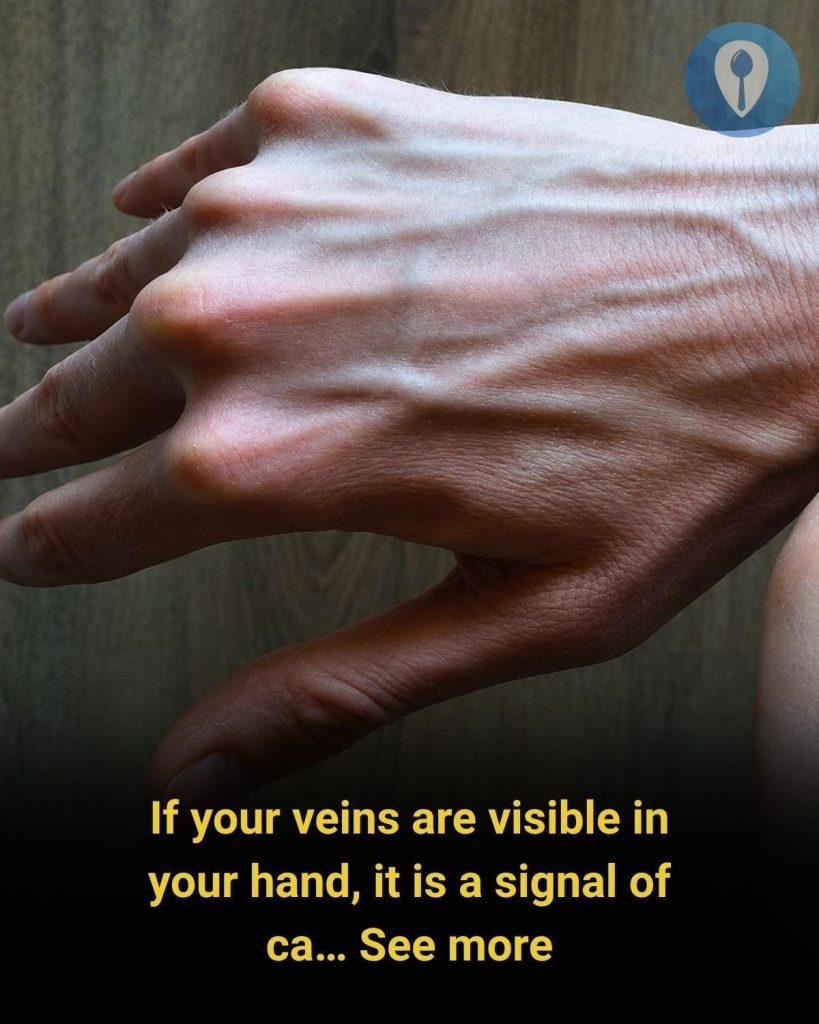
It happens to almost everyone at some point: you look down at the back of your hands and notice a network of blue or greenish veins bulging noticeably beneath the skin. Online health forums and viral social media posts often sensationalize visible veins, raising unnecessary alarm and leaving people wondering if it signals an underlying circulation problem, vascular disease, or dangerous heart condition.
The truth, however, is far less terrifying. Prominent, visible veins on the hands—known medically as vascularity—are an extremely common biological feature. In the vast majority of cases, visible hand veins are a completely normal sign of healthy circulatory function, low body fat, or natural aging rather than a medical emergency. Here is a comprehensive look at why hand veins pop out, what they signal about your body, and when you should actually pay attention to them.
The Biology Behind Visible Hand Veins
To understand why hand veins become prominent, it helps to look at the anatomy of your peripheral vascular system. Unlike arteries, which lie deep within muscle tissue to pump oxygen-rich blood away from the heart, veins sit much closer to the skin’s surface to carry blood back up toward the lungs and heart.
The skin on the back of your hand (the dorsum) is naturally very thin compared to other parts of your body. When physical changes occur in the skin, fat layers, or blood flow volume, those superficial veins become far more visible.
5 Primary Reasons Your Hand Veins Are Prominent
Why do some people have prominent hand veins while others do not? Medical science points to five primary non-threatening causes:
1. Low Body Fat Percentage
Subcutaneous fat is the layer of fat sitting directly beneath your skin. If you have a lower overall body fat percentage—whether from intense athletic training, regular exercise, or natural genetics—there is less fat tissue to cushion and obscure the veins beneath your skin, making them stand out sharply.
2. Natural Aging and Thinning Skin
As we grow older, our skin naturally loses collagen and elasticity, causing it to become thinner, looser, and more translucent. Simultaneously, we naturally lose subcutaneous fat on our extremities as we age. With thinner skin and less underlying fat, hand veins naturally become much more pronounced over time.
3. Hot Weather and High Temperatures
Warm environments cause your blood vessels to dilate (a process called vasodilation). When it is hot outside, or during a hot shower, your body expands surface veins to release excess heat and keep your core temperature stable. This surge in surface blood flow makes hand veins swell and pop out temporarily.
4. Physical Exercise and Increased Blood Pressure
During a workout, heavy lifting, or strenuous activity, your heart rate and arterial blood pressure increase. Blood fills the superficial veins, while working muscles push liquid outward against skin walls, causing temporary vascular bulging that subsides once your body cools down.
5. Genetics and Fair Skin Tone
Genetics play a massive role in vascular layout. If your parents or grandparents have naturally prominent veins, you are far more likely to have them too. Additionally, individuals with fair or pale skin tones naturally show blue and green veins much more clearly through the surface.
When Should You Be Concerned? Red Flags to Watch For
While visible hand veins are almost always benign, there are a few rare instances where sudden vascular changes require evaluation by a qualified medical professional:
-
Pain or Swelling: If a prominent vein feels hot to the touch, highly tender, painful, or accompanied by localized swelling, it could indicate localized inflammation (phlebitis) or a superficial blood clot.
-
Sudden Discoloration or Bulging: A vein that suddenly becomes hard, rope-like, or heavily discolored overnight should be checked by a doctor.
-
Open Sores or Ulcers: Skin changes around visible veins that lead to slow-healing sores require medical examination.
Prioritizing routine health checkups, maintaining solid health insurance coverage, and consulting primary care physicians ensure that any sudden vascular changes are diagnosed safely and accurately.
Practical Tips for Hand Care and Skin Health
If you want to reduce the cosmetic appearance of heavy hand veins or keep your skin looking youthful, simple daily care routines can help:
-
Apply Daily Sunscreen: Sun damage breaks down collagen rapidly, accelerating skin thinning on the hands. Applying broad-spectrum SPF to the backs of your hands protects skin density.
-
Moisturize Regularly: Using rich moisturizers containing hyaluronic acid or ceramides keeps skin hydrated and plump, softening the appearance of underlying veins.
-
Stay Hydrated: Drinking plenty of water maintains proper fluid balance and healthy skin elasticity across your entire body.
Frequently Asked Questions (FAQ)
Are visible hand veins a sign of high blood pressure?
Usually, no. High systemic blood pressure affects arteries deeper in the body rather than superficial hand veins. Temporary venous expansion during exercise is a normal physical response, not a sign of chronic hypertension.
Can varicose veins occur on hands?
While true varicose veins—caused by failing venous valves—are overwhelmingly common in the legs due to gravity, they are extremely rare in the hands. Hand veins may bulge, but they rarely suffer from the structural valve failure seen in lower-limb varicose veins.
Can cosmetic treatments reduce visible hand veins?
Yes! Dermatologists and vascular specialists offer cosmetic treatments like sclerotherapy (injecting a solution to collapse minor surface veins) or dermal fillers to plump the hand tissue, making veins far less noticeable.
Conclusion: Understanding Your Body’s Natural Design
Seeing visible veins on your hands is not a reason to panic. Far from being a scary health warning, prominent hand veins are simply a reflection of your body’s efficient circulatory system, active lifestyle, low body fat, or natural biological maturity. Understanding how your vascular system responds to heat, exercise, and age allows you to celebrate your body’s natural workings with complete peace of mind.
Scroll down to explore more related articles.
