
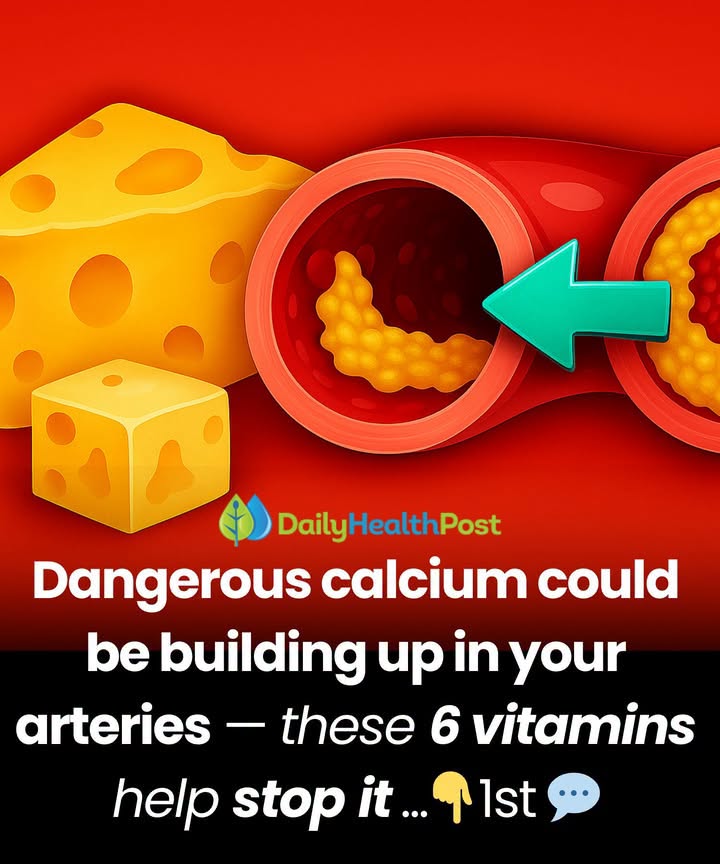
Maintaining clear, elastic arteries is essential for smooth blood circulation and long-term cardiovascular wellness. Arterial calcification—a process where calcium deposits accumulate in blood vessel walls—can cause arteries to stiffen over time.
While calcium is a critical mineral for bone structure, proper nutrient balance ensures that the calcium you ingest is directed into bones rather than settling in vascular tissue.
This guide explores the mechanisms behind arterial calcification, essential nutrients that support vascular health, and daily habits for a strong heart.
Understanding Arterial Calcification and Nutrient Balance
The body uses specific proteins and vitamins to regulate where calcium is deposited and stored.
                    CALCIUM REGULATION IN THE BODY
                                  │
      ┌───────────────────────────┼───────────────────────────┐
      ▼                           ▼                           ▼
VITAMIN K2 ACTIVATION        MAGNESIUM BALANCE           VITAMIN D3 SYNERGY
• Activates Matrix Gla-     • Prevents calcium buildup  • Enhances intestinal calcium
  protein (MGP) in vessels    in soft tissues             absorption for bone uptake
1. The Role of Matrix Gla-Protein (MGP)
Matrix Gla-Protein is a key inhibitor of vascular calcification. However, MGP requires sufficient levels of Vitamin K2 to activate. Once activated, MGP binds calcium in the bloodstream and prevents it from forming deposits along arterial walls.
2. The Calcium-Magnesium Counterbalance
Magnesium acts as a natural antagonist to calcium. It helps regulate cellular calcium transport, keeping excess calcium dissolved in blood fluids and preventing soft tissue accumulation.
6 Essential Nutrients for Arterial Health
Review how key vitamins and minerals work together to protect vascular elasticity:
| Nutrient | Primary Function | Common Food Sources |
| Vitamin K2 (MK-7) | Activates proteins that direct calcium to bones | Natto, aged cheeses, egg yolks, sauerkraut |
| Vitamin D3 | Regulates calcium absorption & immune function | Sun exposure, fatty fish, egg yolks, fortified foods |
| Magnesium | Prevents calcification in soft tissue cells | Dark leafy greens, pumpkin seeds, almonds, dark chocolate |
| Vitamin C | Supports collagen synthesis for vascular wall flexibility | Citrus fruits, bell peppers, strawberries, broccoli |
| Vitamin E | Acts as an antioxidant, protecting lipids from oxidation | Sunflower seeds, almonds, avocados, spinach |
| Vitamin B6 / Folate | Helps metabolize homocysteine to protect vessel lining | Chickpeas, poultry, bananas, leafy greens |
3 Daily Habits to Support Cardiovascular Elasticity
In addition to targeted nutrition, lifestyle choices play a pivotal role in maintaining arterial flexibility:
-
Stay Hydrated and Active: Daily aerobic exercise increases nitric oxide production in blood vessels, promoting natural vascular dilation and flexibility.
-
Prioritize Whole Food Sources: Obtain nutrients through a varied diet abundant in leafy greens, nuts, seeds, and fermented foods to gain synergistic co-factors.
-
Limit Refined Sugars and Trans Fats: High blood sugar levels and oxidized fats induce vascular inflammation, creating surfaces where calcium easily deposits.
Conclusion: Balancing Nutrients for Arterial Strength
Protecting your arterial system isn’t about avoiding calcium—it’s about ensuring your body has the proper vitamins and minerals to utilize calcium effectively. By incorporating Vitamin K2, magnesium, and antioxidant-rich foods into your daily routine, you can support lifelong cardiovascular vitality.
Frequently Asked Questions (FAQ)
1. What is the difference between Vitamin K1 and Vitamin K2?
Vitamin K1 (found in leafy greens) primarily supports blood clotting. Vitamin K2 (found in fermented foods and animal products) plays a direct role in calcium distribution and vascular health.
2. Can arterial calcium buildup be reversed with diet?
While severe arterial calcification requires medical management, dietary interventions rich in Vitamin K2, magnesium, and anti-inflammatory nutrients can slow or prevent further plaque stiffening.
3. Should I take Vitamin D3 with Vitamin K2?
Yes. Vitamin D3 increases calcium absorption in the gut, while Vitamin K2 ensures that absorbed calcium is properly directed into bone tissue rather than blood vessel walls.
