
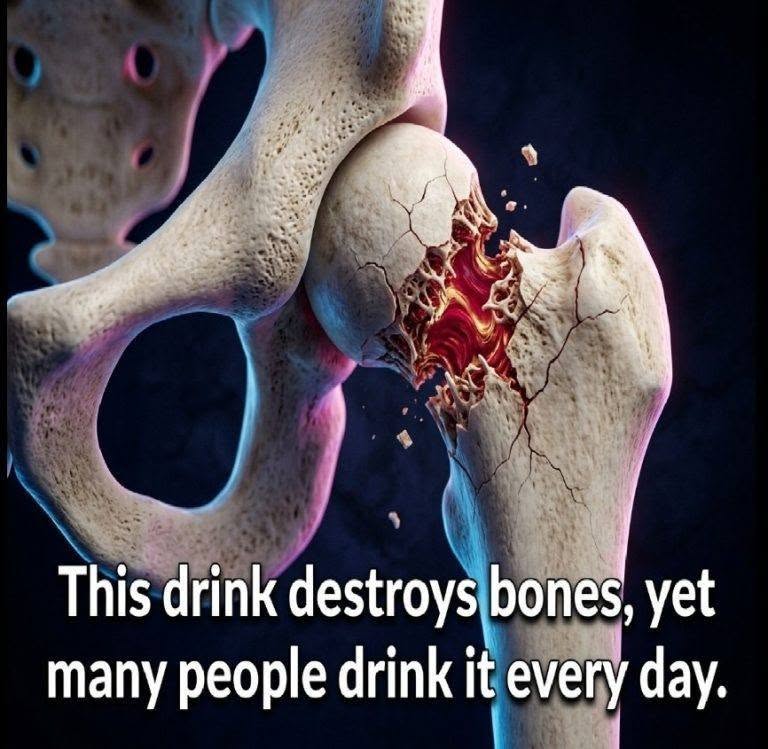
Maintaining strong, healthy bones is essential for mobility, posture, and preventing conditions like osteoporosis and osteopenia. While calcium, Vitamin D, and exercise are well-known pillars of bone health, dietary habits—including daily beverage choices—play a crucial role in maintaining bone mineral density over time.
Certain popular drinks contain compounds that can interfere with calcium absorption or increase mineral excretion if consumed in large quantities.
This guide explores how specific beverages impact bone architecture, the nutrients needed for bone defense, and practical habits for skeletal strength.
How Daily Beverages Impact Bone Health
Understanding how dietary choices affect bone mineral density helps explain why moderation is key for long-term skeletal health.
                  BEVERAGE IMPACT ON BONE DENSITY
                                 │
      ┌──────────────────────────┼──────────────────────────┐
      ▼                          ▼                          ▼
PHOSPHORIC ACID            HIGH SODIUM/SUGAR          CALCIUM EXCRETION
• Found in dark sodas;     • Displaces nutrient-rich  • Excess caffeine or alcohol
  binds calcium in gut       beverages in diet          increases urinary excretion
1. Phosphoric Acid in Soft Drinks
Colas and dark carbonated beverages often contain added phosphoric acid. Consuming high amounts of phosphorus without balanced calcium intake can disturb the body’s natural calcium-to-phosphorus ratio, leading the body to leach calcium from bones to maintain blood equilibrium.
2. Caffeine and Urinary Calcium Loss
High intake of caffeinated beverages, such as energy drinks or heavy coffee consumption, can slightly increase the amount of calcium excreted in urine. While moderate caffeine intake is generally harmless for individuals consuming adequate calcium, excessive intake can gradually impact bone density.
3. Alcohol and Bone Remodeling
Excessive alcohol consumption disrupts osteoblast activity—the cells responsible for building new bone matrix—and impairs the body’s ability to absorb Vitamin D and calcium effectively.
Common Beverages and Their Impact on Bone Matrix
Review how popular drinks compare regarding their effect on bone health:
| Beverage Category | Key Compounds | Effect on Bone Mineral Density | Healthy Alternative / Strategy |
| Colas / Dark Sodas | Phosphoric acid, high sugar | May reduce bone density with heavy intake | Sparking water with fresh lemon or lime |
| Excessive Coffee / Energy Drinks | High caffeine levels | Slight increase in calcium excretion | Cap caffeine at 2–3 cups; pair with milk |
| Alcohol (High Intake) | Ethanol | Inhibits bone formation cells (osteoblasts) | Limit intake to moderate guidelines |
| Fortified Plant Milks / Dairy | Calcium, Vitamin D, protein | Actively supports bone matrix & density | Consume daily for optimal mineral support |
| Bone Broth & Mineral Water | Collagen, magnesium, calcium | Supplies essential trace minerals | Enjoy as a daily hydrating beverage |
3 Core Action Steps to Protect Bone Density
Protecting skeletal integrity involves balancing your diet with proactive health habits:
-
Prioritize Calcium and Vitamin D Synergy: Ensure your diet includes adequate calcium alongside Vitamin D, which acts as the key regulator for intestinal calcium absorption.
-
Engage in Weight-Bearing Exercise: Activities like walking, resistance training, and jogging exert force on bones, signaling osteoblasts to build denser bone tissue.
-
Swap Sugary and Acidic Drinks: Replace daily soda or energy drinks with mineral water, green tea, or calcium-fortified plant beverages to protect mineral balance.
Conclusion: Smart Choices for Stronger Bones
Bone health is a long-term investment influenced by daily lifestyle and nutritional choices. By moderating intake of soft drinks and excessive caffeine while prioritizing calcium-rich foods and physical activity, you can maintain strong, resilient bones at any age.
Frequently Asked Questions (FAQ)
1. Does drinking soda directly weaken bones?
Heavy consumption of colas containing phosphoric acid has been linked in clinical studies to lower bone mineral density, particularly when soda replaces milk or calcium-rich beverages in the diet.
2. Can you counteract caffeine’s effect on bone loss?
Yes. Studies show that adding a small amount of milk or ensuring adequate daily dietary calcium (1,000–1,200 mg) completely offsets the slight calcium-excreting effect of moderate coffee intake.
3. What is the most important mineral for bone health besides calcium?
Magnesium and Vitamin D are critical; magnesium helps convert Vitamin D into its active form, which directly enables the absorption of calcium into the bone structure.
