
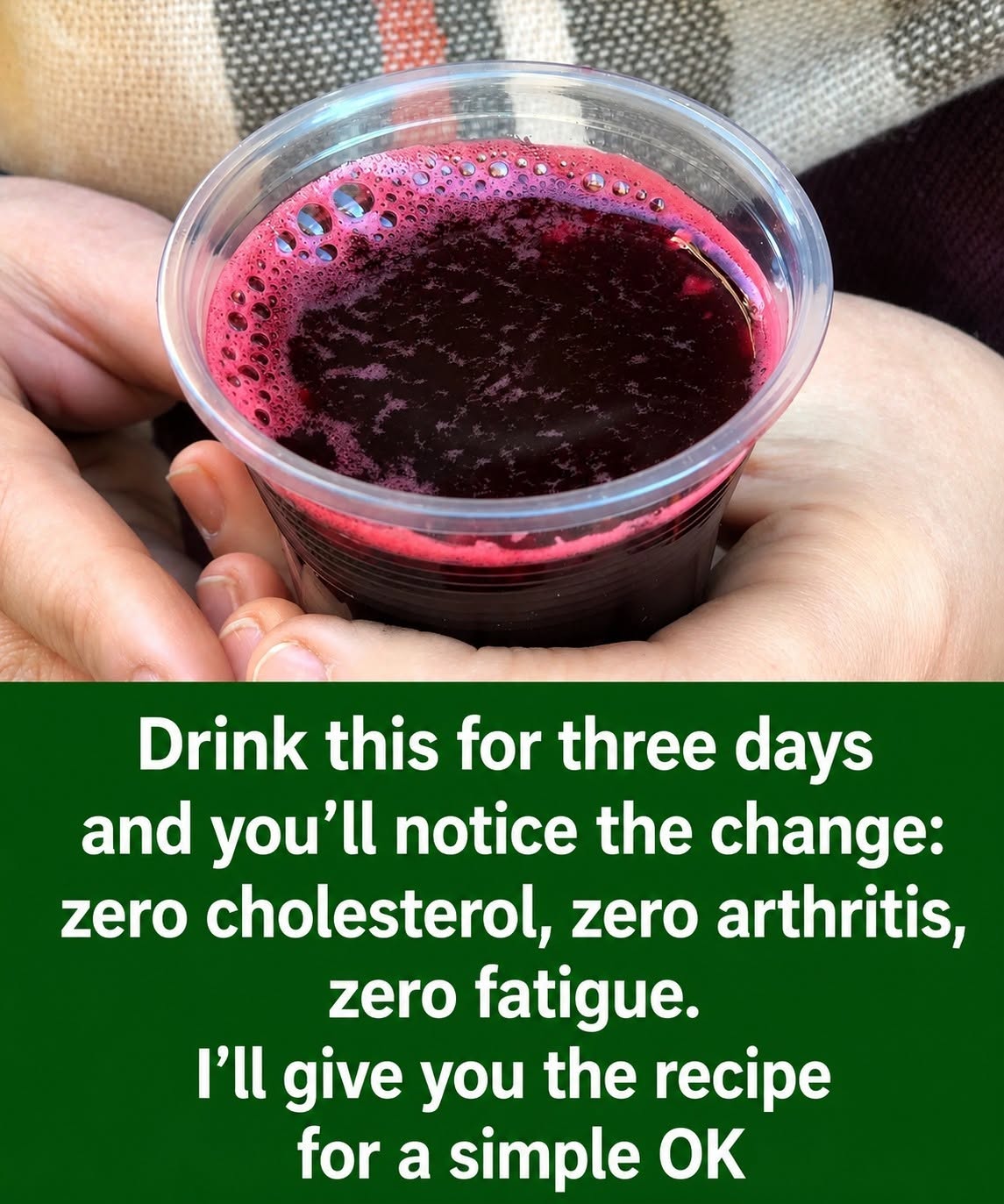
Vibrant, deep-red vegetable juices—particularly those made from fresh beetroot, apples, and ginger—have gained widespread popularity as natural wellness tonics. While viral social media claims often promise instant miracles, real nutritional science confirms that beetroot juice offers legitimate, powerful health benefits for circulation, stamina, and daily vitality.
Incorporating nutrient-dense plant juices into a balanced diet provides essential vitamins, minerals, and antioxidants that support long-term wellness.
This health guide explores the real benefits of beetroot juice, how its key compounds interact with the body, a simple home recipe, and practical health tips.
The Science of Beetroot: Dietary Nitrates and Antioxidants
Understanding the active compounds in dark red vegetable juices highlights why they are so beneficial for daily energy and cardiovascular support.
                    KEY COMPOUNDS IN BEETROOT JUICE
                                   │
      ┌────────────────────────────┼────────────────────────────┐
      ▼                            ▼                            ▼
DIETARY NITRATES              BETALAINS & ANTIOXIDANTS     ESSENTIAL MINERALS
• Converts to nitric oxide   • Powerful pigments that     • Rich in potassium, folate,
  to relax blood vessels       reduce oxidative stress      and vitamin C for energy
1. Nitric Oxide and Blood Flow
Beetroots are exceptionally rich in inorganic nitrates. When consumed, the body converts these nitrates into nitric oxide, a molecule that relaxes and dilates blood vessels. This process improves blood circulation, helps maintain healthy blood pressure levels, and enhances oxygen delivery to tissues.
2. Cellular Energy and Stamina
By improving oxygen efficiency in the bloodstream, regular intake of nitrate-rich juices helps combat fatigue and improves physical endurance during exercise or daily activities.
3. Anti-Inflammatory Pigments
The deep crimson color of beets comes from betalains, unique phytonutrients known for their potent antioxidant and anti-inflammatory properties. These compounds help defend cells against oxidative stress.
Nutritional Profile of Homemade Red Juice
Review the key ingredients commonly blended into functional red juices and their health roles:
| Ingredient | Primary Health Benefit | Key Nutrients Provided |
| Beetroot | Supports blood circulation & exercise stamina | Dietary nitrates, betalains, folate |
| Green Apple | Adds natural sweetness & digestive support | Pectin fiber, Vitamin C, antioxidants |
| Fresh Ginger | Promotes healthy digestion & reduces joint discomfort | Gingerols, anti-inflammatory compounds |
| Lemon Juice | Enhances iron absorption & balances flavor | Vitamin C, citric acid, bioflavonoids |
| Carrots (Optional) | Supports vision & skin health | Beta-carotene (Vitamin A), potassium |
Simple Daily Beetroot & Ginger Juice Recipe
Creating a fresh, nutrient-dense juice at home takes only a few minutes:
-
Prepare the Ingredients: Wash and chop 1 medium raw beetroot, 1 red or green apple, 2 medium carrots, and a 1-inch piece of fresh ginger root.
-
Blend or Juice: Pass all ingredients through a centrifugal or masticating juicer. If using a high-speed blender, add 1/2 cup of water and strain through a nut milk bag or fine mesh sieve.
-
Finish and Serve: Stir in a squeeze of fresh lemon juice, serve chilled over ice, and drink within 24 hours for maximum antioxidant potency.
Conclusion: Sustainable Wellness Through Whole Foods
While no single beverage can cure complex conditions overnight, incorporating fresh beetroot juice into a balanced lifestyle is an effective, natural way to boost energy, improve circulation, and support heart health. Real vitality comes from consistent, healthy choices and evidence-based nutrition.
Frequently Asked Questions (FAQ)
1. What is the best time of day to drink beetroot juice?
Drinking beetroot juice in the morning or 1 to 2 hours before physical activity helps maximize its energy-boosting and nitrate-driven circulation benefits.
2. Can drinking beetroot juice change urine or stool color?
Yes. A harmless condition called beeturia can cause urine or stool to take on a pinkish or reddish tint after consuming beets. It is entirely safe and temporary.
3. Who should be cautious when consuming large amounts of beet juice?
Individuals prone to calcium oxalate kidney stones or those with low blood pressure should moderate their intake and consult a physician before consuming concentrated beet juice daily.
