
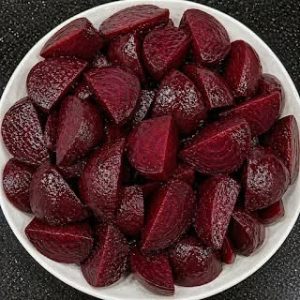
Beets (beetroot) have transformed from a traditional humble root vegetable into a celebrated modern superfood. Known for their deep ruby color, earthy sweetness, and exceptional nutritional density, roasted beets are a versatile addition to any healthy meal plan.
Whether enjoyed warm fresh out of the oven, tossed into vibrant green salads, or blended into morning smoothies, beets offer a wealth of bioavailable nutrients that support cardiovascular health, stamina, and cellular recovery.
This comprehensive guide breaks down the science-backed health benefits of beets, presents a foolproof roasting recipe, and shares easy ways to incorporate this vibrant vegetable into your weekly diet.
The Nutritional Breakdown of Beets
Beets are packed with essential vitamins, minerals, and unique plant compounds that set them apart from other root vegetables.
                    NUTRIENT HIGHLIGHTS OF RED BEETS
                                   │
      ┌────────────────────────────┼────────────────────────────┐
      ▼                            ▼                            ▼
  INORGANIC NITRATES              BETALAINS                  DIETARY FIBER
• Converted to nitric oxide    • Powerful antioxidants      • Supports gut microbiome
• Supports blood flow          • Reduces systemic           • Aids healthy digestion
  & healthy blood pressure       oxidative stress             & fullness
1. High in Dietary Nitrates for Heart Health
Beets are exceptionally rich in naturally occurring dietary nitrates. Your body converts these nitrates into nitric oxide, a compound that relaxes and dilates blood vessels. This process supports healthy blood pressure levels already within normal ranges and improves circulation.
2. Loaded with Betalain Antioxidants
The deep red hue of beets comes from betalains, a class of potent water-soluble antioxidants. Betalains help fight cellular damage caused by free radicals and support natural anti-inflammatory processes throughout the body.
3. Energy and Stamina Support
Athletes frequently consume beets and beet juice to enhance physical endurance. The increased blood flow driven by nitric oxide optimizes oxygen delivery to working muscles, helping reduce fatigue during exercise.
Master Recipe: Perfectly Oven-Roasted Beets
Roasting brings out the natural sugars in beets, turning their earthy flavor into a rich, sweet side dish.
Ingredients:
-
Fresh Red Beets: 4 medium beets, washed, peeled, and cut into bite-sized wedges
-
Olive Oil: 2 tablespoons extra virgin olive oil
-
Salt & Pepper: 1/2 teaspoon kosher salt and 1/4 teaspoon freshly ground black pepper
-
Optional Enhancements: 1 tablespoon balsamic vinegar or fresh thyme sprigs
Preparation Steps:
-
Preheat Oven: Preheat your oven to 400°F (200°C). Line a baking sheet with parchment paper or aluminum foil for easy cleanup.
-
Prep the Beets: Peel the washed beets using a vegetable peeler and cut them into uniform 1-inch wedges or cubes.
-
Season: In a large bowl, toss the beet wedges with olive oil, salt, black pepper, and optional herbs until evenly coated.
-
Roast: Spread the beets in a single layer on the prepared baking sheet. Roast for 35 to 45 minutes, flipping halfway through, until fork-tender and slightly caramelized on the edges.
-
Serve: Drizzle with balsamic vinegar if desired and serve warm or chilled.
Comparing Raw, Roasted, and Pickled Beets
Review the table below to see how different preparation methods affect flavor and nutrient profiles.
| Preparation Method | Flavor Profile | Texture | Best Culinary Use |
| Roasted Beets | Sweet, rich, caramel-like | Tender and smooth | Side dishes, grain bowls, warm salads |
| Raw Beets | Earthy, fresh, slightly peppery | Crisp and crunchy | Shredded slaws, fresh juices, smoothies |
| Pickled Beets | Tangy, acidic, sweet | Firm | Charcuterie boards, sandwiches, side salads |
| Boiled Beets | Mild, earthy | Soft | Purées, dips (hummus), classic soups (borscht) |
Simple Ways to Enjoy Roasted Beets
-
Goat Cheese & Walnut Salad: Toss cooled roasted beets with baby arugula, crumbled goat cheese, toasted walnuts, and a simple lemon vinaigrette.
-
Grain Bowls: Combine roasted beets with quinoa, roasted chickpeas, avocado, and a creamy tahini dressing.
-
Pink Beet Hummus: Blend roasted beet wedges into standard chickpea hummus for a striking magenta dip rich in flavor and antioxidants.
Conclusion: Vibrant Flavor and Whole-Body Wellness
Adding roasted beets to your meal routine is a delicious, budget-friendly way to support your cardiovascular system, boost workout stamina, and enjoy vibrant natural flavor. With minimal prep time and simple seasoning, roasted beets transform basic weeknight dinners into nutrient-packed feasts.
Frequently Asked Questions (FAQ)
1. Do you have to peel beets before roasting them?
Peeling is optional! You can roast beets with their skins on. Once fully roasted and cooled slightly, the skins will slide off easily using a paper towel. However, peeling them beforehand ensures quicker prep when cutting into small wedges.
2. Is it safe to eat beets every day?
Yes. For most healthy individuals, eating beets daily is a safe, nutritious way to increase fiber, folate, and potassium intake.
3. Why does urine or stool turn pink/red after eating beets?
This harmless condition is known as beeturia. It occurs when betalain pigments pass through the digestive system without being completely broken down, causing a harmless pink or red tint in urine or stool.
4. How long do roasted beets last in the fridge?
Stored in an airtight container, roasted beets keep fresh in the refrigerator for up to 5 to 7 days, making them ideal for weekly meal prep.
