
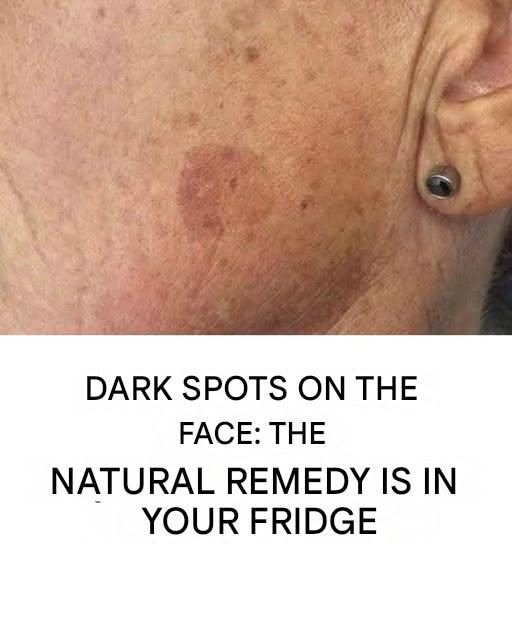
Do you struggle with dark spots on your face? That image of uneven, hyperpigmented skin is a source of frustration for millions of people worldwide. We spend small fortunes on expensive creams, laser treatments, and serums, all in a desperate attempt to reclaim that youthful, radiant glow. It’s an emotional journey as much as a physical one, affecting self-confidence and body image.
What if we told you that the key to unlocking clearer skin might not be at a luxury cosmetics counter, or even in a expensive dermatologist’s clinic (though medical consultation is always advised for any persistent skin changes)? What if a key ingredient in an effective, natural remedy is sitting right now inside your refrigerator?
In this comprehensive guide, we will explore the science behind dark spots, the psychological impact, and, most importantly, the simple, accessible natural remedy that has thousands of people talking. We will delve into how to prepare it, why it might work, and how it stacks up against conventional treatments. Our goal is to empower you with knowledge and a possible solution that fits your life, and your budget. This is more than just skincare; it’s about reclaiming your skin’s potential.
Understanding Dark Spots: The Battle Against Hyperpigmentation
The terms “dark spots,” “age spots,” “sun spots,” and “liver spots” are often used interchangeably, but they generally refer to a medical condition known as hyperpigmentation. This condition occurs when your skin produces excess melanin, the pigment that gives skin its color. When melanin clumps together or is overproduced in certain areas, it results in those persistent patches of darker skin.
The causes of hyperpigmentation are varied, which is why understanding your spots is crucial for effective treatment.
Common Causes of Hyperpigmentation
-
Sun Exposure: This is the leading cause. Ultraviolet (UV) light stimulates melanin production. Over time, consistent sun exposure results in solar lentigines (sun spots), particularly on areas most exposed, like the face and hands.
-
Inflammation: Post-inflammatory hyperpigmentation (PIH) occurs after the skin has been damaged or inflamed. This is extremely common for individuals who have struggled with acne, eczema, or even certain medical procedures. The dark marks that remain long after a blemish has healed are PIH.
-
Hormonal Changes: A condition called melasma, or the “mask of pregnancy,” is common during hormonal shifts. It is triggered by fluctuations in hormones and can cause large patches of dark skin, often on the forehead, cheeks, and upper lip.
-
Aging: As we age, our skin cells’ natural turnover process slows down, and sun damage accumulated over decades can become more visible as age spots.
-
Medical Conditions or Medications: Certain diseases and medications (such as some antimalarial drugs and antipsychotics) can also cause dark spots as a side effect.
Knowing the cause helps in choosing the right path, whether that means adjusting your medications (under medical guidance) or focusing heavily on sun protection and specialized natural remedies.
The Surprising Natural Remedy Hiding in Your Fridge
For many, the idea that a household staple can treat a persistent skin condition sounds too good to be true. However, a significant number of people swear by the effects of a specific ingredient—one that you almost certainly have in your refrigerator right now.
That secret ingredient is: Potato.
Yes, the humble potato. While it’s primarily known as a versatile culinary ingredient, potatoes have been a well-kept secret in natural skincare for centuries, particularly in traditional remedies.
The Science Behind Potatoes for Hyperpigmentation
You might be wondering: what exactly can a potato do? The potato is much more than carbohydrates; it’s a reservoir of beneficial compounds.
Natural Bleaching Agent (Catecholase): Potatoes contain an enzyme called catecholase. While primarily known for causing browning in cut fruits, it is also a well-regarded natural skin lightener. Catecholase has mild bleaching properties that can help to fade hyperpigmentation over time, especially when applied consistently.
Vitamin C (Ascorbic Acid): Potatoes are a surprisingly good source of Vitamin C, a powerful antioxidant and a cornerstone of effective skin-brightening products. Vitamin C inhibits the enzyme tyrosinase, which is essential for melanin production. This means it can both prevent new spots from forming and fade existing ones. While a whole potato isn’t as concentrated as a stabilized Vitamin C serum, its content is significant.
Potassium and Vitamin B6: Potatoes contain high levels of potassium, which helps with skin hydration. Vitamin B6 is essential for cell formation and skin health. Proper hydration and cell turnover are key to maintaining an even complexion.
Natural Exfoliation: The raw potato starch and texture provide gentle, natural exfoliation. Regular exfoliation helps slough off dead skin cells that contain excess melanin, revealing the lighter, newer cells underneath.
The Power of Cold Storage
Keeping potatoes in the fridge, while often debated for culinary reasons, actually enhances their suitability for this particular skincare remedy. When a potato is chilled, it offers specific benefits.
Reduces Inflammation and Puffiness: Cooled potato slices are exceptionally good at calming skin inflammation and reducing under-eye puffiness. This is crucial for treating PIH, as reducing initial inflammation is the first step to preventing darker marks. The cold reduces blood flow to the area, providing immediate relief and a tighter appearance.
Soothes Sunburn: Since sun exposure is a primary cause of dark spots, treating immediate sun damage is critical. The cooling effect of a chilled potato slice provides instant soothing relief to sunburned skin, helping to reduce the inflammatory response that leads to long-term hyperpigmentation.
This combination of enzymes, vitamins, and the benefits of a cool application makes the potato in your fridge a powerful ally.
Comparing Natural Remedies to Conventional Treatments
Before committing to a natural path, it’s important to understand the landscape of conventional, medical treatments for dark spots. While effective, they often come with a significant investment and potential side effects.
Conventional Over-the-Counter (OTC) Solutions
-
Serums and Creams: Contain ingredients like Hydroquinone (a strong skin-bleaching agent), Vitamin C, Kojic Acid, Azelaic Acid, and Retinoids (to speed cell turnover).
-
Pros: Readily available, can be effective.
-
Cons: Can be expensive, may take 3-6 months to show results, and can cause skin irritation or allergic reactions (especially Hydroquinone, which is banned in some regions and should only be used under medical supervision).
-
Chemical Peels: Use chemical acids to exfoliate the top layer of skin.
-
Pros: Can yield quicker, more dramatic results for superficial spots.
-
Cons: Require professional application (which can be costly), involve significant downtime, and carry risks like burning, scarring, or worsening hyperpigmentation in some skin types.
Professional Medical Treatments
-
Laser Therapy: Uses focused light pulses to target and destroy melanin-producing cells.
-
Pros: The most precise and often the fastest-acting method for deep or stubborn pigmentation.
-
Cons: The most expensive option, often requiring multiple sessions (thousands of dollars), carries risks of scarring, infection, and changes in skin texture.
-
Microdermabrasion: Mechanically removes the outermost layer of skin.
-
Pros: Effective for mild, surface discoloration.
-
Cons: Also requires professional treatments, can be rough on sensitive skin.
The Value of the Natural Approach
Looking at these options, the natural remedy in your fridge provides a stark contrast.
Cost: A bag of potatoes costs a fraction of the cheapest professional serum, let alone a laser session. The financial benefit is unmatched.
Safety: For most people, raw potato juice is incredibly gentle. There are few side effects, although individuals with extreme potato allergies should proceed with caution. It offers a gentle alternative to the harsh chemicals and medical procedures that can irritate the skin or damage its protective barrier.
While natural remedies generally work slower than professional interventions, their cost, safety profile, and accessibility make them a compelling first choice or a complement to other skincare routines. It’s a “low-risk, potentially high-reward” solution that fits a budget-conscious lifestyle and appeals to those seeking a chemical-free approach to health and beauty.
How to Correctly Prepare and Apply the “Fridge Remedy”
Using a cold potato for skincare is remarkably simple. Consistency is the primary requirement for success.
Step-by-Step Guide for Using Potatoes on Dark Spots
-
Select and Chill: Choose a fresh, organic potato (to minimize pesticide exposure). Wash it thoroughly and place it in the refrigerator for at least a few hours or, ideally, overnight.
-
Wash Your Face: Begin with a clean canvas. Use a gentle cleanser to remove makeup, dirt, and oil.
-
Option A: Slice Application (Easiest)
-
Cut the cold potato into thin, fresh slices.
-
Rub a slice directly onto the hyperpigmented areas of your face for about a minute. You can focus on individual spots or massage it generally.
-
Let the juice dry on your skin for 15-20 minutes.
-
Variation: Place whole chilled slices over your eyes and cheeks for a full-face soothing treatment, especially if you have under-eye dark circles or puffiness.
-
Option B: Grating and Juicing (More Potent)
-
Grate a small portion of the chilled potato using a fine grater.
-
Use a clean cheesecloth or your hands to squeeze the juice from the pulp into a small bowl.
-
Use a clean cotton ball or facial brush to apply the juice directly to your spots or your entire face.
-
Allow it to dry for 20-30 minutes.
-
Variation: Mix the potato juice with a teaspoon of honey or plain yogurt for added hydration and antibacterial benefits.
-
Rinse and Moisturize: After the desired time, rinse your face with lukewarm water. Pat dry and always follow up with your standard moisturizer.
-
Apply Sunscreen (CRITICAL): If you perform this treatment in the morning, applying a broad-spectrum sunscreen (SPF 30 or higher) is non-negotiable. Natural bleaching agents, just like cosmetic ones, make your skin more sensitive to UV light. Sun protection is the single most important step in fading and preventing dark spots.
Expectations for Success
How long before you see results? This is not an overnight miracle. Consistency is everything.
You should aim to apply this remedy 3-4 times per week. Most users report seeing noticeable, albeit gradual, fading of lighter spots within 6-8 weeks of consistent use. For deeper or more stubborn hyperpigmentation, it may take 3-4 months or longer.
Be patient with your skin. Natural remedies work in harmony with your body’s natural processes, and cell turnover takes time.
Other Common Ingredients Found in Kitchens and Fridges for Dark Spots
While the cold potato is the “secret” remedy we’re highlighting, your kitchen is a true pharmacopoeia of other effective ingredients for natural skincare.
-
Lemon Juice: Contains citric acid (an alpha-hydroxy acid or AHA), a powerful natural exfoliant and bleaching agent.
-
Note of Caution: Lemon juice is very acidic and can be extremely irritating, causing dryness or burning. It makes your skin highly photosensitive (sun-sensitive), increasing the risk of sunburn and worsening the very spots you are trying to treat. It should always be diluted with water, used at night, and followed by heavy sunscreen.
-
Yogurt and Milk: Lactic acid (another AHA) in yogurt and milk gently breaks down dead skin cells and lightens hyperpigmentation. It’s much gentler than lemon juice and often safer for sensitive skin.
-
Aloe Vera: Contains aloin, a natural depigmenting compound that can lighten skin. It’s also exceptionally soothing.
-
Honey: A natural humectant that hydrates and has antibacterial properties, honey is excellent for post-inflammatory hyperpigmentation.
-
Apple Cider Vinegar: Contains acetic acid, which has a mild bleaching effect.
-
Note of Caution: Similar to lemon juice, it must be diluted and used with care to avoid skin burns.
-
Turmeric: Contains curcumin, a potent anti-inflammatory and antioxidant compound that can regulate melanin production.
-
Note of Caution: It can temporarily stain fair skin a faint yellow hue, which is easily washed off.
Each of these has its merits, but the specific combination of benefits (enzymatic lightening, anti-inflammatory cold application, and gentle exfoliation) makes the potato in your fridge uniquely effective.
Combining the Natural and Modern: Building a Complete Skincare Routine
For the most impactful results, you don’t need to choose just one approach. You can build a comprehensive routine that incorporates the natural effectiveness of potatoes with modern, science-backed skincare practices.
Sample Skincare Routine
-
Morning Routine:
-
Gentle Cleanser
-
Apply a stabilizing antioxidant serum (like a potent Vitamin C serum) for enhanced brightening.
-
Moisturizer
-
Broad-spectrum Sunscreen (SPF 30+). The importance of this step cannot be overstated.
-
Evening Routine:
-
Double Cleanse (to ensure all makeup and sunscreen are removed).
-
Use a chemical exfoliant (like a low-concentration glycolic acid serum or a retinoid) to speed up cell turnover 2-3 times per week.
-
The “Fridge Remedy”: Apply your potato treatment (slices or juice) 3-4 times per week on the non-exfoliant days.
-
Wait 15-20 minutes, then rinse.
-
Apply a deeply hydrating nighttime moisturizer.
This combination maximizes your efforts from all angles: protection, accelerated cell renewal, and targeted natural treatment.
Common Skincare Mistakes to Avoid When Treating Dark Spots
While seeking treatment, avoid these common errors that can impede your progress or even worsen hyperpigmentation.
-
Neglecting Sunscreen: This is the #1 mistake. Even the most powerful treatments (natural or conventional) are useless without strict daily sun protection. Sun exposure will instantly darken the melanin your body is naturally and gradually releasing.
-
Picking at Pimples and Blemishes: This is the direct cause of post-inflammatory hyperpigmentation. Picking traumatizes the skin, triggers inflammation, and guarantees that a simple blemish will leave a persistent dark spot.
-
Over-Exfoliation: Scrubbing your face raw or using high-strength chemical exfoliants daily will damage your skin barrier, increase inflammation, and can actually cause more dark spots. Be gentle.
-
Expecting Instant Results: Hyperpigmentation is a long-game. Rushing the process or stopping a treatment too early prevents seeing any real benefit.
-
Inconsistent Application: This applies equally to natural remedies and cosmetic serums. Consistency is critical for compounds to work effectively on melanin production.
Understanding the Emotional Impact: Skincare Is More Than Surface Level
We cannot discuss skincare without acknowledging the emotional component. For many, a perceived flaw like dark spots isn’t just a physical inconvenience; it can lead to deep-seated self-consciousness, decreased self-esteem, and social withdrawal. The psychological effects are real.
This can sometimes lead to a cycle of seeking increasingly aggressive and expensive treatments, which can fail, leading to more frustration.
The value of natural remedies, like using cold potatoes, is not just in their biological efficacy. They offer a sense of control and self-empowerment. By engaging in a simple, affordable, and safe routine, you are proactively taking charge of your appearance without the financial burden or medical risk. It’s an act of self-care.
Reclaiming your confidence doesn’t mean having “perfect” skin. It means feeling comfortable and confident in the skin you have, and this natural approach can be a huge step toward that.
A Balanced View: What Natural Remedies Can and Cannot Do
It is important to maintain realistic expectations. While the cold potato remedy is powerful and effective for many, it is not a cure-all.
-
What it Can Do: Gradually fade superficial dark spots, soothe inflammation, reduce puffiness, brighten overall complexion, prevent future inflammation that leads to spots, and provide cost-effective skin care.
-
What it Cannot Do: Remove deep or medically significant pigmentation (like some cases of deep melasma or liver spots) immediately, alter your genetics, or eliminate spots without any of the lifestyle changes (like sun protection) that prevent them from recurring.
For spots that are irregular in shape, rapidly growing, changing color, or bleeding, it is critical to consult a medical professional, as these can be signs of more serious medical conditions (including skin cancer). Do not delay a professional diagnosis by relying solely on natural remedies.
Conclusion: Take the First Step with Your Cold Potato
The battle with hyperpigmentation can be lengthy and emotional, but it doesn’t have to be expensive or chemically complex. The remedy sitting in your refrigerator offers a powerful, low-cost, and safe path to restoring your skin’s radiance.
The humble cold potato contains a synergistic combination of a natural skin-lightening enzyme, a potent anti-oxidant vitamin, and essential nutrients. By leveraging these, you can fade existing spots, reduce the inflammation that triggers new ones, and build a skincare routine that is both consistent and affordable.
Combine this natural approach with strict, daily sun protection and a healthy dose of patience. Your skin didn’t develop these spots overnight, and they won’t fade overnight. However, with consistent care, you can make a meaningful change.
Why not try it tonight? Take that cold potato out of the fridge and see for yourself. Reclaiming your beautiful, radiant skin might just be a few slices away. You have everything to gain and only a few persistent spots to lose.
Frequently Asked Questions (FAQ)
1. Are potatoes really as effective as cosmetic serums for dark spots?
While potato juice has skin-lightening properties, it is not as concentrated as a standardized cosmetic serum designed to target tyrosinase. However, the benefits are its cost-effectiveness, gentle action, and accessibility. It may take longer than professional products, but it is an excellent first-line or complementary natural remedy, especially for minor or surface discoloration.
2. Is it safe to use potatoes on sensitive skin?
Yes, potato juice is generally very gentle on the skin, including sensitive skin. Its natural composition has a soothing and anti-inflammatory effect. However, a small patch test is always recommended. Apply a small amount of potato juice to a less sensitive area (like the inside of your elbow) and wait 24 hours to ensure you don’t have a specific allergy or irritation.
3. How long will it take to see results?
Natural remedies work more slowly than strong, chemical interventions. With consistent application (3-4 times a week), most users begin to see a visible, gradual fading of lighter spots after 6-8 weeks. Deeper hyperpigmentation can take much longer, sometimes up to 3-4 months. Consistency and patience are key.
4. Why should the potato be cold?
The cooling effect of a chilled potato helps reduce skin inflammation and puffiness, which is especially beneficial for treating post-inflammatory hyperpigmentation (like marks from acne). It also provides instant relief to sunburned skin, helping to minimize the initial damage that leads to long-term spotting.
5. Can I use other natural ingredients with potatoes?
Absolutely! Potatoes work well with other natural ingredients. Popular additions include a teaspoon of honey (for extra hydration and antimicrobial benefits), fresh plain yogurt (for the gentle exfoliating power of lactic acid), or aloe vera gel (for enhanced soothing and depigmentation).
6. Do I still need sunscreen if I use potatoes?
Yes, and this is the most critical question. Applying sunscreen daily (SPF 30+) is mandatory. Just like conventional skin-brightening ingredients, natural lightening agents can make your skin slightly more sensitive to UV light. More importantly, sun exposure causes dark spots to worsen immediately, and failing to protect your skin will undo all your progress.
7. Should I see a dermatologist if I use this natural remedy?
If you have persistent, large, or suspicious spots that are irregular in shape, rapidly growing, changing color, or bleeding, you should consult a dermatologist immediately. This natural remedy is suitable for common, non-medically concerning hyperpigmentation. A professional diagnosis is always the safest course of action to rule out more serious medical conditions.
8. Is this remedy safe during pregnancy or breastfeeding?
Yes, potatoes are an excellent and safe alternative for dealing with melasma (“mask of pregnancy”), which is often triggered by hormonal shifts during pregnancy and breastfeeding. Since potatoes are safe to eat, their juice is generally considered a low-risk option. However, as with anything, you should consult with your healthcare provider for absolute peace of mind.
9. Can this remedy prevent wrinkles?
Potatoes contain antioxidants like Vitamin C, which can help fight free radical damage and promote overall skin health, which indirectly can help manage signs of aging. The hydration they provide is also important. While not a direct anti-wrinkle treatment like retinoids, healthy, well-hydrated, and even-toned skin will always look younger and more vibrant.
PINNED COMMENT:
👉 Full remedy and science: [PASTE LINK]
