
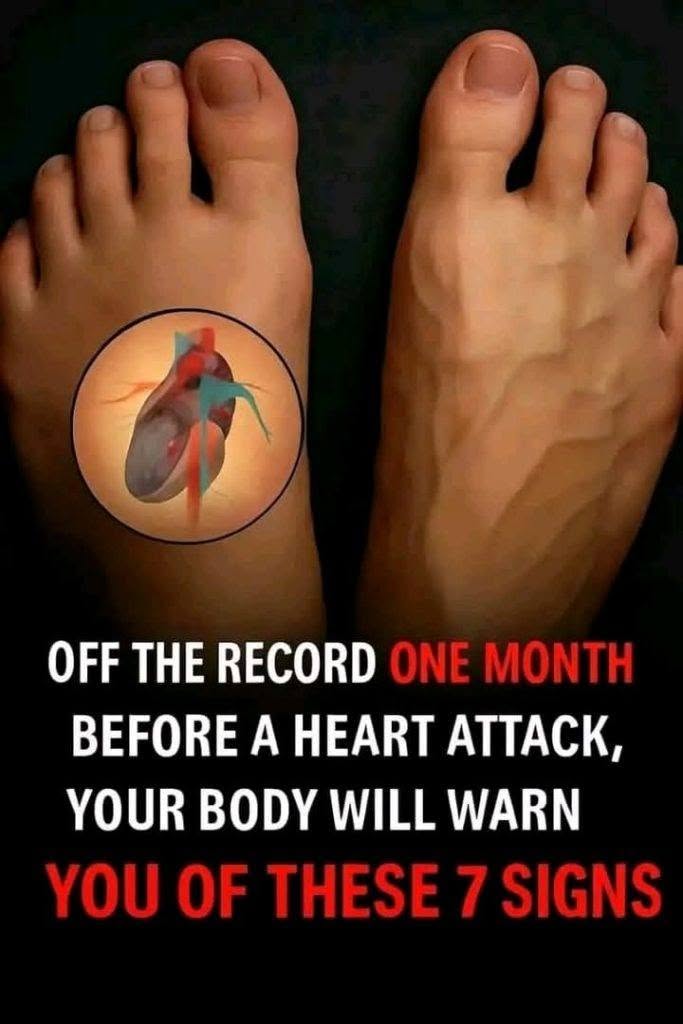
Heart attacks are often perceived as sudden, unexpected events. However, the body frequently exhibits subtle physiological changes weeks or even a month in advance. Poor circulation, decreased cardiac efficiency, and arterial blockages can manifest as visible and sensory warning signals throughout the extremities and nervous system.
Recognizing these early symptoms enables individuals to seek timely medical evaluation before a critical cardiovascular event develops.
7 Early Warning Signs of Impending Cardiovascular Strain
When the heart’s pumping capacity diminishes or blood vessels harden, fluid dynamics and oxygen delivery across the body are altered.
+-------------------------------------------------------------------------------+
|                       EARLY HEART ATTACK WARNING SIGNS                        |
+--------------------------+----------------------------------------------------+
| WARNING SIGN             | PHYSIOLOGICAL MECHANISM                            |
+--------------------------+----------------------------------------------------+
| 1. Swelling in Feet &    | Decreased cardiac output causes fluid retention    |
|    Ankles (Edema)        | (edema) in lower extremities due to gravity.       |
| 2. Unexplained Fatigue   | Reduced blood circulation limits tissue oxygenation|
|                          | leading to chronic physical exhaustion.           |
| 3. Shortness of Breath   | Congestion in pulmonary vessels increases fluid    |
|    (Dyspnea)             | pressure in the lungs, making breathing difficult. |
| 4. Cold Sweats & Chills  | Sympathetic nervous system overactivates during    |
|                          | heart stress, triggering sudden sweating.          |
| 5. Persistent Dizziness  | Insufficient blood flow reaching the brain causes  |
|    or Lightheadedness    | sudden drops in arterial cerebral pressure.        |
| 6. Upper Body Pain       | Referred neurological pain spreads to shoulders,   |
|                          | neck, jaw, or arms from overloaded cardiac nerves. |
| 7. Persistent Indigestion| Reduced mesenteric blood flow causes gastro-       |
|    or Nausea             | intestinal discomfort mimicking acid reflux.       |
+--------------------------+----------------------------------------------------+
1. Swelling in Feet and Ankles (Peripheral Edema)
When the heart struggles to pump blood effectively, gravity causes fluid to pool in the lower extremities. Swelling around the ankles, feet, or legs that leaves an indentation when pressed (pitting edema) can indicate weakened heart function or early congestive cardiac strain.
2. Unexplained Chronic Fatigue
Experiencing unusual, overwhelming exhaustion after minor daily tasks can signal that your heart muscle is working harder to circulate blood. When arterial flow is compromised, muscles and organs receive less oxygenated blood, resulting in persistent tiredness.
3. Shortness of Breath (Dyspnea)
Difficulty catching your breath while performing routine activities—or while resting flat on your back—is a major red flag. When the heart cannot pump efficiently, pressure backs up into the blood vessels running to the lungs, impairing normal oxygen exchange.
4. Sudden Cold Sweats
Breaking out in a profuse, cold sweat without exertion or fever is a common precursor to cardiac trouble. The nervous system activates a “fight-or-flight” response to compensate for compromised heart function, triggering sudden sweating.
5. Dizziness and Lightheadedness
A temporary restriction of blood flow to the brain can cause sudden lightheadedness, unsteadiness, or fainting spells. If accompanied by chest tightness or breathlessness, immediate medical evaluation is necessary.
6. Radiating Chest, Jaw, or Arm Pain
Intermittent discomfort, pressure, or tightness in the chest that radiates toward the left arm, neck, jaw, or back often serves as an early sign of partial coronary artery obstruction.
7. Persistent Indigestion, Nausea, or Abdominal Pain
In many cases—particularly in women—cardiovascular distress manifests as severe stomach upset, abdominal tightness, or persistent heartburn that does not respond to standard antacid treatment.
Health Benefits of Early Cardiovascular Screening
Taking early warning signs seriously offers vital protective health advantages:
-
Prevents Permanent Heart Muscle Damage: Early intervention via medications, lifestyle changes, or procedures helps prevent irreversible tissue death caused by full coronary blockages.
-
Lowers Emergency Complications: Seeking medical care during the early warning phase drastically reduces the risk of sudden cardiac arrest or stroke.
Practical Actionable Steps for Heart Health
-
Monitor Extremity Swelling: Track any persistent swelling in your feet or ankles and discuss it with a primary care physician.
-
Schedule Regular BP and Lipid Checks: Maintain regular screenings for blood pressure, cholesterol, and blood glucose to monitor cardiovascular health markers.
-
Adopt a Heart-Healthy Diet: Focus on whole foods, rich in omega-3 fatty acids, potassium, and antioxidants while reducing sodium and excess refined sugars.
-
Know When to Call Emergency Services: If sudden severe chest tightness, pain radiating to the jaw, or shortness of breath occurs, call emergency services immediately.
Fascinating Facts About Heart Signalling
-
Referred Pain Pathways: Pain from a struggling heart is often felt in the jaw or arm because sensory nerves from the heart and upper limbs share common spinal cord pathways.
-
Gender Differences in Symptoms: Women are far more likely than men to experience non-chest symptoms, such as ankle swelling, nausea, upper back pressure, and unexplained anxiety weeks before a cardiac event.
Conclusion
Recognizing early indicators like feet swelling, unexplainable fatigue, and shortness of breath can provide vital time to seek preventive medical care. Paying attention to what your body tells you is one of the most effective ways to protect your long-term heart health.
Frequently Asked Questions (FAQ)
Can swollen feet really be a sign of heart problems?
Yes. Reduced pumping power from the heart allows fluid to accumulate in the lower legs, feet, and ankles due to gravity, a condition known as peripheral edema.
Are heart attack warning signs different for women?
Yes. Women often report fatigue, shortness of breath, nausea, and back or jaw pain rather than the classic crushing chest pain typically associated with heart attacks in men.
How far in advance can body warnings appear before a heart attack?
Subtle warning signs such as chronic fatigue, mild chest discomfort, or breathing difficulties can begin appearing days or even weeks prior to a cardiac event.
What should I do if I notice persistent early signs?
If you experience chronic leg swelling, shortness of breath, or unexplained fatigue, schedule a comprehensive cardiovascular checkup with a healthcare provider as soon as possible.
