
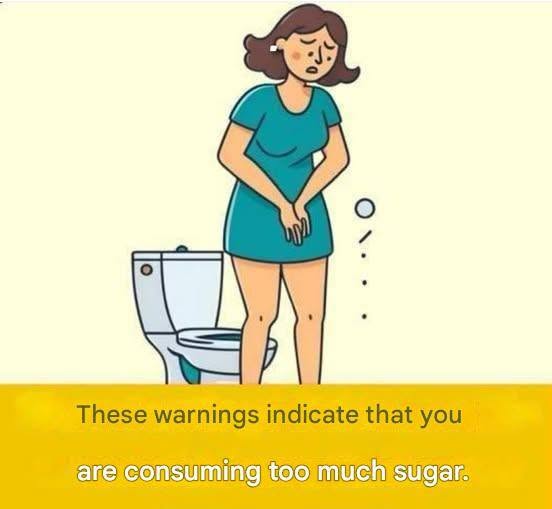
Added sugars have become a pervasive ingredient in modern diets, hidden in everything from soft drinks and baked goods to condiments and processed snacks. While consuming natural sugars found in fruits and whole foods is part of a balanced diet, consistently overconsuming added refined sugars can place significant strain on your metabolic and renal health.
Recognizing the subtle physiological warning signs of excess sugar intake allows individuals to make mindful dietary adjustments before long-term health complications develop.
4 Clear Warning Signs of Excessive Sugar Intake
When blood glucose levels remain chronically elevated, the body activates natural mechanisms to flush out excess sugar and signal internal imbalances.
+-------------------------------------------------------------------------------+
|                       HIGH SUGAR CONSUMPTION WARNING SIGNS                    |
+--------------------------+----------------------------------------------------+
| WARNING SIGN             | PHYSIOLOGICAL MECHANISM                            |
+--------------------------+----------------------------------------------------+
| 1. Frequent Urination    | Kidneys work overtime to filter excess glucose,    |
|    (Polyuria)            | drawing water out of tissues into urine.           |
| 2. Excessive Thrist      | Dehydration caused by rapid fluid loss triggers    |
|    (Polydipsia)          | persistent neurological thirst signals.            |
| 3. Energy Spikes &       | High sugar causes rapid glucose spikes followed    |
|    "Sugar Crashes"       | by reactive insulin surges, leading to fatigue.   |
| 4. Frequent Cravings     | Dopamine responses and unstable blood sugar fuel   |
|    for Sweets            | continuous hunger and appetite fluctuations.       |
+--------------------------+----------------------------------------------------+
1. Frequent Urination (Polyuria)

One of the most immediate indicators of high blood sugar is an increased urge to urinate, especially during the night. When glucose levels in the bloodstream exceed normal renal thresholds, the kidneys are forced to filter and excrete the surplus sugar. Glucose draws water along with it through osmotic diuresis, filling the bladder far more rapidly than usual.
2. Unquenchable Thirst (Polydipsia)
As the kidneys draw water from surrounding body tissues to flush out excess sugar through frequent urination, the body quickly becomes dehydrated. This fluid depletion triggers persistent thirst signals in the brain, prompting a continuous need to drink liquids to compensate for fluid loss.
3. Energy Spikes and Sudden Crashes
Consuming high-sugar foods causes a rapid spike in blood glucose levels, offering a brief burst of physical energy. However, the pancreas responds by releasing a large dose of insulin to clear the sugar. This sudden removal creates a dramatic blood sugar plunge, leaving you feeling exhausted, irritable, and brain-fogged short after.
4. Continuous Cravings for Sweets and Carbs
Eating simple sugars stimulates the release of dopamine—the feel-good neurotransmitter—in the brain’s reward centers. Coupled with unstable blood sugar fluctuations, this creates a biological cycle where your body rapidly craves quick-digesting carbohydrates to restore dipping energy levels.
Health, Financial, and Long-Term Wellness Benefits of Reducing Sugar
Cutting back on added sugars offers immediate and long-term protective health benefits.
Preventing Insulin Resistance and Type 2 Diabetes
Reducing refined sugar intake lightens the workload on your pancreas, helping preserve insulin sensitivity and lowering the long-term risk of developing prediabetes or Type 2 diabetes.
Protecting Dental and Cardiovascular Health
Diets lower in added sugar dramatically decrease dental cavities, lower systemic vascular inflammation, and help maintain healthy blood pressure and triglyceride levels.
Practical Actionable Steps to Reduce Sugar Intake Safely
-
Audit Liquid Sugars: Swap sugary sodas, sweetened teas, and fruit juices for plain water, sparkling water with fresh lemon, or herbal tea.
-
Read Nutrition Labels Carefully: Check ingredients lists for hidden sugars listed under names like high-fructose corn syrup, cane juice, maltodextrin, dextrose, or sucrose.
-
Prioritize Protein and Fiber: Build meals around lean protein, healthy fats, and fiber to stabilize blood sugar levels and curb sudden carbohydrate cravings.
-
Opt for Whole Fruit: Satisfy sweet cravings with whole fruits like berries or apples, which contain natural sugars bound with beneficial fiber that slows glucose absorption.
Fascinating Facts About Sugar and the Body
-
Hidden Sugar Names: Food manufacturers use over 60 different technical names for added sugars on food labels, making reading ingredient lists essential for healthy eating.
-
The Fiber Buffer: Natural sugars in whole fruits enter the bloodstream slowly because fiber delays gastric emptying, preventing the extreme insulin spikes triggered by refined fruit juices or candy.
Conclusion
Frequent trips to the bathroom, constant thirst, and roller-coaster energy levels are direct signals that your body is struggling with excess sugar intake. By recognizing these warning signs and choosing whole, nutrient-dense foods, you can restore steady energy levels and support your long-term metabolic health.
Frequently Asked Questions (FAQ)
How much added sugar should I consume daily?
The American Heart Association recommends limiting added sugar intake to no more than 6 teaspoons (25 grams) per day for women and 9 teaspoons (36 grams) per day for men.
Can eating too much sugar cause frequent urination even without diabetes?
Yes. Consuming temporary high doses of sugar can trigger mild osmotic diuresis in healthy individuals, though persistent frequent urination should always be evaluated by a doctor to rule out diabetes.
How quickly does blood sugar normalize after cutting out simple sugar?
Blood glucose levels can begin stabilizing within 24 to 48 hours after reducing simple refined sugars and increasing fiber and protein intake.
Are natural sweeteners like honey or maple syrup better than white sugar?
While honey and maple syrup contain trace antioxidants, they still impact blood glucose levels similarly to white sugar and should be consumed in moderation.
