
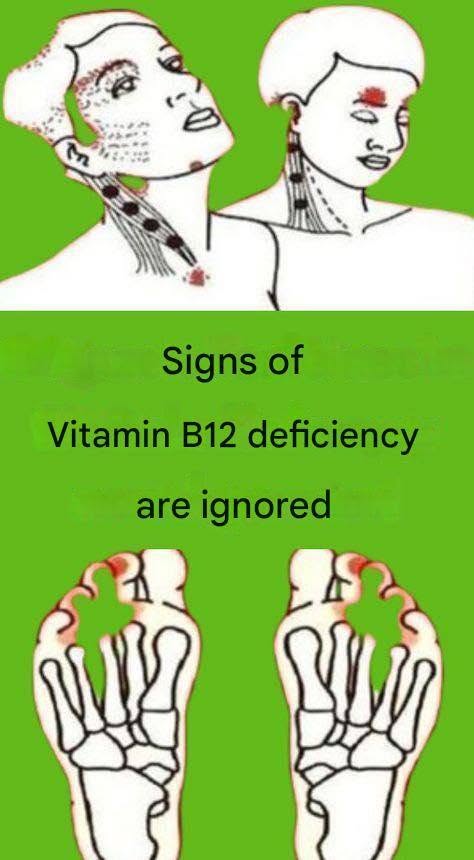
Vitamin B12 (cobalamin) is an essential water-soluble nutrient vital for nervous system integrity, nerve insulation, and healthy red blood cell production. Because the human body cannot synthesize B12 on its own, it relies on dietary intake and efficient intestinal absorption. When B12 levels drop, the nervous system is often the first to send warning signals—many of which are easily brushed off as routine stress, fatigue, or minor muscle aches.
Recognizing the subtle ways B12 deficiency affects peripheral nerves and facial sensation allows for early intervention before long-term complications arise.
Uncovering the Ignored Signs of Vitamin B12 Deficiency
A decline in B12 status disrupts myelin sheath maintenance around nerves, leading to sensory anomalies across peripheral and cranial nerve pathways.
+-------------------------------------------------------------------------------+
|                     VITAMIN B12 DEFICIENCY SYMPTOM MATRIX                     |
+--------------------------+----------------------------------------------------+
| SYMPTOM REGION           | PHYSIOLOGICAL MECHANISM & MANIFESTATION            |
+--------------------------+----------------------------------------------------+
| 1. Feet and Toes         | Paresthesia (tingling/numbness) in lower           |
|                          | extremities due to peripheral nerve degradation.   |
| 2. Neck and Shoulders    | Cervical nerve irritation leading to stiffness,     |
|                          | muscle fatigue, or shooting nerve sensations.      |
| 3. Face and Head         | Trigeminal or facial nerve sensitivity causing     |
|                          | skin twitching, numbness, or localized pain.       |
| 4. Systemic Vitality     | Megaloblastic anemia causing chronic physical      |
|                          | exhaustion and reduced cellular oxygen transport.  |
+--------------------------+----------------------------------------------------+
1. Tingling, Numbness, or “Pins and Needles” in the Feet
Peripheral nerves in the feet and lower limbs are especially vulnerable to low B12 levels. Depletion of the protective myelin sheath slows down nerve impulses, causing persistent tingling, numbness, or a sensation of walking on cotton. Over time, this can affect balance and gait stability.
2. Neck Stiffness and Shooting Nerve Pain
Irritation along spinal nerve roots can manifest as neck tightness, aching upper back muscles, or sudden electric-shock-like sensations traveling down the neck. While often blamed on poor posture, underlying nerve demyelination from low B12 can aggravate these symptoms.
3. Facial Numbness, Twitching, or Neural Sensitivity
The cranial nerves responsible for facial sensation and muscle movement can also reflect B12 deficiency. Affected individuals may experience unprovoked eye or cheek twitching, localized facial numbness, or hypersensitivity along the forehead and jawline.
4. General Muscle Weakness and Unexplained Fatigue
Because B12 is essential for producing mature, functional red blood cells, deficiency reduces oxygen delivery throughout the body. This leads to persistent muscle tiredness, lightheadedness, and difficulty completing daily physical tasks.
Health, Financial, and Medical Benefits of Early Detection
Addressing Vitamin B12 deficiency promptly protects long-term neurological health and prevents unnecessary healthcare costs.
Preventing Irreversible Peripheral Neuropathy
If left untreated over extended periods, B12 deficiency can lead to permanent structural nerve damage. Identifying low levels early through routine blood tests ensures complete symptom reversal.
Avoiding Extensive Specialty Testing
Early B12 screening prevents misdiagnoses and saves money on unnecessary specialized neurology workups or imaging for unexplained nerve and joint pain.
Practical Actionable Steps to Support Healthy B12 Levels
-
Incorporate B12-Rich Foods: Eat nutrient-dense options such as eggs, dairy products, wild-caught fish, poultry, and fortified plant milks or breakfast cereals.
-
Identify Personal Risk Factors: Individuals over 50, vegetarians, vegans, and those taking acid suppressants or metformin should monitor B12 status closely.
-
Request a Routine Blood Test: Ask your physician for a serum B12, methylmalonic acid (MMA), or homocysteine test during regular health checkups.
-
Utilize Proper Supplementation: If absorption is impaired, consult a doctor regarding sublingual B12 drops, oral supplements, or intramuscular injections.
Fascinating Facts About Vitamin B12 and the Human Body
-
Crucial Myelin Sheath Maintenance: B12 is indispensable for synthesizing myelin, the fatty coating that insulates nerves much like plastic coating around an electrical wire.
-
Massive Natural Storage: The human liver can store up to a 3- to 5-year reserve of Vitamin B12, which is why deficiency symptoms often take years to fully manifest.
-
Stomach Acid Requirement: Hydrochloric acid in the stomach is required to unbind Vitamin B12 from protein in food so it can be absorbed later in the small intestine.
Conclusion
Facial twitching, neck stiffness, and tingling feet are not just random inconveniences—they can be early signals that your body’s B12 reserves are depleted. By recognizing these ignored signs and scheduling a simple blood test, you can restore essential nutrient levels and preserve your nervous system health.
Frequently Asked Questions (FAQ)
What causes a Vitamin B12 deficiency?
Common causes include inadequate dietary intake (particularly in plant-based diets), poor intestinal absorption due to conditions like celiac or Crohn’s disease, pernicious anemia, and long-term use of certain medications like PPIs or metformin.
Can Vitamin B12 deficiency cause nerve pain in the feet?
Yes. Paresthesia and neuropathic pain in the feet are classic symptoms of B12 deficiency caused by the breakdown of the myelin sheath protecting peripheral nerves.
How is Vitamin B12 deficiency diagnosed?
Doctors typically measure serum B12 levels via a standard blood test. Secondary tests measuring methylmalonic acid (MMA) or homocysteine are often used to confirm borderline cases.
How long does it take for nerve symptoms to resolve after starting B12?
While energy levels often improve within weeks of starting supplementation, nerve recovery can take several months depending on the extent and duration of the deficiency.
