
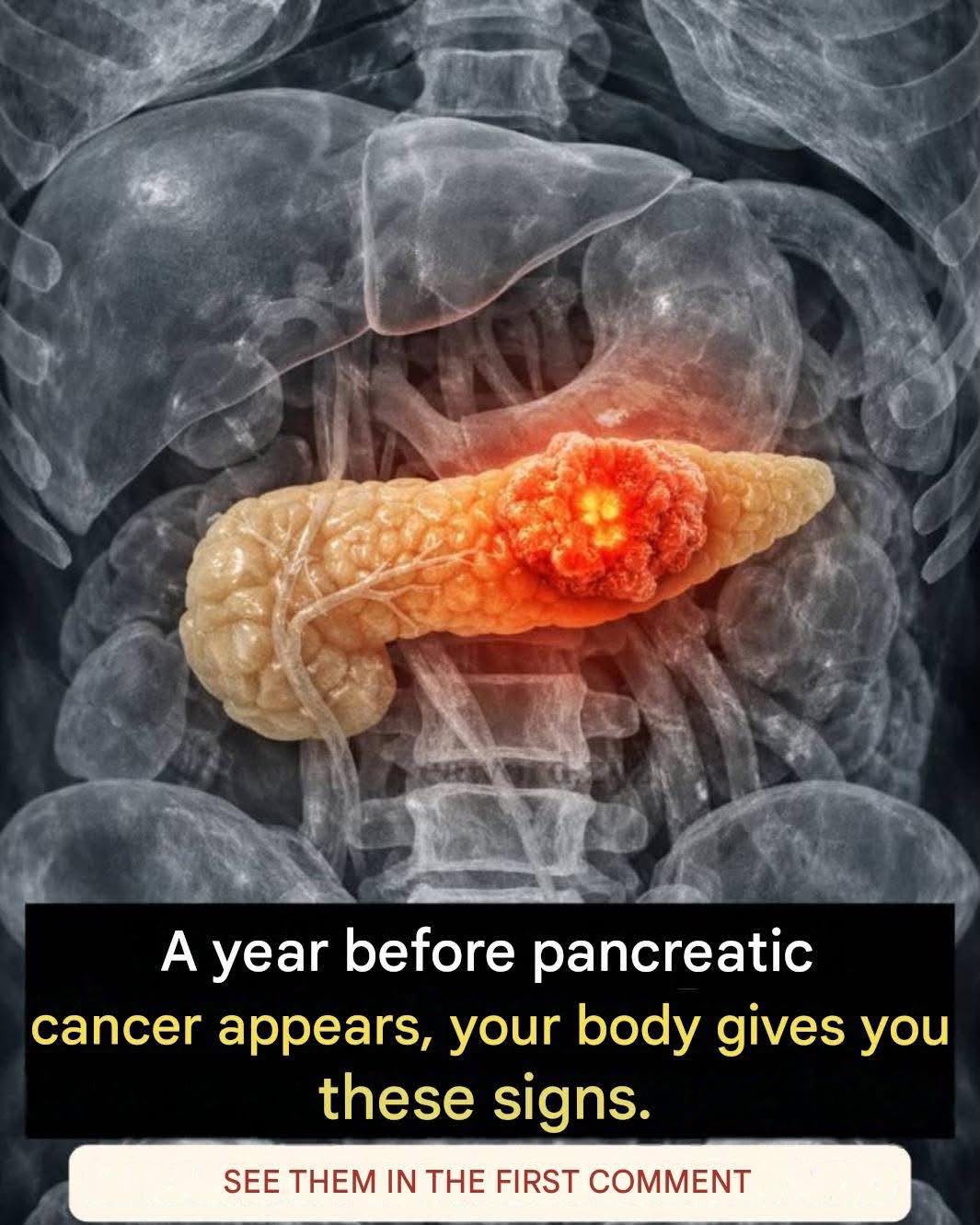
Pancreatic cancer is one of the most challenging malignancies to detect early because the pancreas is deeply situated within the abdomen, and early symptoms are frequently vague or easily mistaken for common digestive ailments. However, retrospective clinical studies indicate that many patients experience subtle physiological warning signs months—or even up a year—before formal diagnosis.
Recognizing these early bodily signals empowers individuals to consult healthcare providers for proactive screening and timely evaluation.
Early Warning Signs Linked to Pancreatic Health
When a tumor or chronic inflammation develops within the pancreas, it disrupts digestive enzyme secretion, insulin regulation, and nearby biliary ducts.
+-------------------------------------------------------------------------------+
|                    EARLY PANCREATIC WARNING SIGN MATRIX                       |
+--------------------------+----------------------------------------------------+
| EARLY SIGN               | PHYSIOLOGICAL / METABOLIC MECHANISM                |
+--------------------------+----------------------------------------------------+
| 1. Unexplained Weight Loss| Impaired nutrient absorption and digestive enzyme  |
|                          | deficiency (exocrine pancreatic insufficiency).     |
| 2. New-Onset Diabetes    | Tumor destruction of insulin-producing beta cells  |
|                          | causing sudden blood sugar elevations.             |
| 3. Upper Abdominal Pain  | Aching pain radiating to the back due to tumor     |
|                          | pressure on surrounding nerve plexuses.            |
| 4. Jaundice (Yellowing)  | Blockage of the common bile duct preventing bile   |
|                          | excretion, leading to yellow skin and eyes.        |
+--------------------------+----------------------------------------------------+
1. Unexplained and Rapid Weight Loss
Losing weight without altering your diet or exercise routine is one of the most frequent early indicators. This occurs because the pancreas struggles to produce sufficient digestive enzymes, leading to malabsorption of fats and nutrients (exocrine pancreatic insufficiency).
2. Sudden, New-Onset Diabetes
A rapid, unexplained onset of Type 2 diabetes in older adults—especially those without a family history of diabetes or obesity—can be an early red flag. Tumors in the pancreas can destroy the insulin-producing cells, causing abrupt blood sugar spikes.
3. Persistent Upper Abdominal Pain Radiating to the Back
A dull, persistent ache in the upper abdomen that often wraps around or radiates straight through to the middle of the back is a classic sign. This occurs when a growing mass presses against nerve networks surrounding the pancreas.
4. Jaundice (Yellow Skin and Eyes)
If a tumor develops in the head of the pancreas, it can block the common bile duct, preventing bile from flowing into the small intestine. This buildup of bilirubin causes yellowing of the skin and eyes, dark urine, and pale-colored stools.
Health and Medical Benefits of Early Detection
Identifying pancreatic abnormalities in their earliest stages transforms patient prognosis and long-term outcomes.
Increasing Surgical Resection Options
Catching pancreatic tumors before they invade major nearby blood vessels allows surgeons to perform curative resections (such as the Whipple procedure), significantly improving long-term survival rates.
Preventing Advanced Metabolic Complications
Early diagnosis minimizes severe complications such as intractable pain, severe malnutrition, and obstructive jaundice, reducing the need for emergency palliative interventions.
Practical Actionable Steps for Proactive Health Monitoring
-
Track Unexplained Symptoms: Keep a detailed health log if you experience persistent digestive changes, back pain, or sudden weight loss over several weeks.
-
Consult a Gastroenterologist: Schedule an evaluation for persistent abdominal discomfort or new-onset metabolic shifts rather than dismissing them as simple acid reflux.
-
Request Advanced Imaging: If risk factors or warning signs persist, ask your doctor about specialized diagnostic imaging such as a contrast-enhanced CT scan or endoscopic ultrasound (EUS).
-
Maintain a Balanced Lifestyle: Support overall metabolic and pancreatic health through regular exercise, avoiding smoking, and limiting alcohol consumption.
Fascinating Facts About the Pancreas
-
A Dual-Role Organ: The pancreas functions as both an endocrine gland (producing hormones like insulin and glucagon to regulate blood sugar) and an exocrine gland (secreting powerful enzymes to digest proteins, fats, and carbohydrates).
-
Deep Abdominal Placement: Because the pancreas is tucked deep behind the stomach and liver, it is notoriously difficult to visualize during routine physical examinations, which is why symptoms serve as the primary early alert system.
Conclusion
While early signs like unexplained weight loss, new-onset diabetes, and persistent back pain can be linked to various benign conditions, they should never be ignored. Paying close attention to what your body communicates months in advance allows for timely medical consultation and potentially life-saving early detection.
Frequently Asked Questions (FAQ)
What is usually the very first sign of pancreatic cancer?
Unexplained weight loss paired with vague upper abdominal or back pain is frequently reported as the earliest subtle indicator of pancreatic changes.
Why is pancreatic cancer so hard to diagnose early?
The pancreas is hidden behind other organs, and its early symptoms mimic common gastrointestinal issues like gastritis or irritable bowel syndrome, delaying specialized testing.
Can blood tests detect pancreatic cancer early?
Routine blood tests alone cannot reliably detect early pancreatic cancer, but markers like CA 19-9 combined with imaging studies help doctors evaluate pancreatic abnormalities.
Is new-onset diabetes always a sign of pancreatic cancer?
No. The vast majority of new-onset diabetes cases are standard Type 2 diabetes related to lifestyle and genetics, but sudden onset in older adults without risk factors warrants careful screening.
