
Introduction
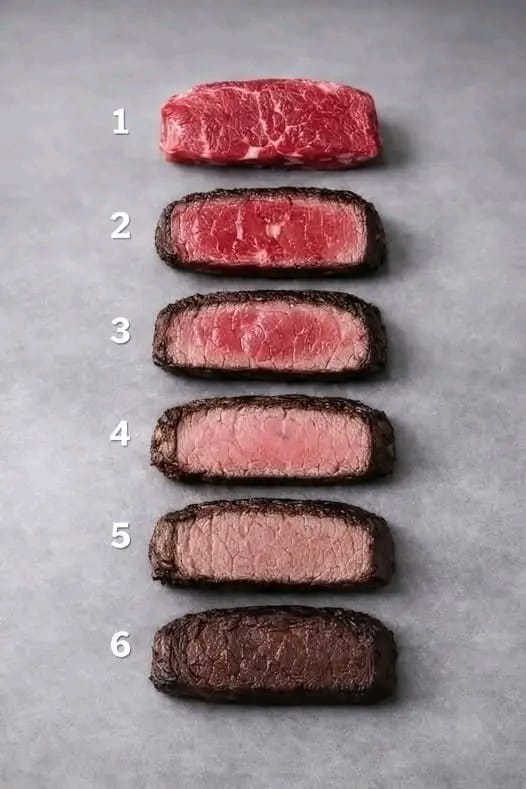
Steak is a revered staple of culinary culture, offering unmatched richness, savory satisfaction, and indulgence to everything from casual backyard barbecues to high-end dining experiences. Whether you prefer your meat rare, medium, or well-done, everyone has a distinct preference for how their steak is cooked. When presented with a challenging choice between six distinct doneness levels—ranging from raw (1) to well-done / charcoal (6)—steak lovers are forced to evaluate what truly matters on their plates.
Evaluating our relationship with steak goes beyond basic hunger; it intersects with culinary psychology, consumer habits, and household budgeting. Just as individuals manage household grocery expenses, navigate financial investments, or plan rewarding weekend activities, understanding what brings us culinary joy enhances our daily lives. In this comprehensive guide, we examine all six popular steak doneness levels, analyze their unique flavor profiles, and explore how to cook them to absolute perfection.
The Six Contenders: Decoding Steak Doneness Levels
To settle the debate on the ultimate steak doneness, we must evaluate what each of these six options brings to the table in terms of taste, texture, and cooking technique.
1. Level 1: Raw / Uncooked
A completely raw cut of beef showing deep red muscle tissue with zero heat exposure.
-
Texture & Technique: Soft, tender, and uncooked.
-
Why People Love It: Serves as the foundational starting point for culinary preparations like steak tartare or carpaccio.
2. Level 2: Rare
Seared briefly on the outside with a cool-to-warm, bright red center.
-
Texture & Technique: Extremely juicy and tender with minimal cooking time.
-
Why People Love It: Prized by purists who want to experience the maximum natural flavor and tenderness of high-quality beef.
3. Level 3: Medium-Rare
The gold standard for steak lovers, featuring a warm, vibrant pink center surrounded by a savory, caramelized crust.
-
Texture & Technique: Tender, succulent, and perfectly balanced.
-
Why People Love It: Delivers the ideal equilibrium between juicy tenderness and rendered intramuscular fat.
4. Level 4: Medium
Cooked to a uniform light pink center with a firmer texture throughout.
-
Texture & Technique: Slightly firmer bite with less red juiciness.
-
Why People Love It: Offers a safe, crowd-pleasing option for diners who prefer their meat fully warm throughout without losing moisture.
5. Level 5: Medium-Well to Well-Done
Cooked extensively until the interior is fully brown with little to no pink remaining.
-
Texture & Technique: Firm, fully set structure.
-
Why People Love It: Preferred by those who enjoy a completely cooked interior and a robust, fully roasted beef flavor.
6. Level 6: Overcooked / Charcoal
Extensively charred on both the exterior and interior, resulting in a dark, heavily roasted profile.
-
Texture & Technique: Dry and deeply charred.
-
Why People Love It: While rarely recommended by chefs, extreme charring appeals to those who love intense smoky, burnt flavors.
Practical Tips for Cooking Flawless Steaks
Mastering the art of steak preparation requires attention to heat control, quality cuts, and resting times:
-
Use a Meat Thermometer: Relying on internal temperature rather than guesswork ensures your steak hits your desired doneness level every single time.
-
Let It Rest: Allowing cooked steak to rest for five to ten minutes before slicing lets the juices redistribute evenly throughout the muscle fibers.
-
Manage Household Grocery Budgets: Buying quality cuts from local butchers or in bulk during supermarket sales supports smart weekly meal planning and long-term savings.
Interesting Facts About Steak and Culinary History
-
The Maillard Reaction: The savory, caramelized crust on a perfectly seared steak is the result of the Maillard reaction—a chemical reaction between amino acids and reducing sugars when exposed to high heat.
-
The Medium-Rare Consensus: Professional chefs overwhelmingly recommend medium-rare (Level 3) for cuts like ribeye and strip because it allows the fat to render properly while keeping the meat juicy.
-
Cut Selection: Different cuts of beef—such as tenderloin, ribeye, and sirloin—react differently to cooking times due to variations in fat marbling and muscle usage.
Conclusion
Whether you prefer a rare, juicy cut or a fully cooked, well-done steak, every preference reflects our personal palate and lifestyle. Exploring these classic doneness levels is a fun way to celebrate cooking techniques and share an engaging debate with friends and family.
FAQ Section
Which doneness level is recommended by most chefs?
Medium-rare (Level 3) is widely considered the optimal doneness by professional chefs because it allows flavorful beef fat to melt and render while keeping the meat tender and juicy.
How do I prevent my steak from drying out when cooking well-done?
Cooking over moderate heat rather than blasting it on extreme high flames helps retain moisture even as the interior temperature rises.
Why is resting a steak after cooking so important?
Resting allows the muscle fibers to relax and reabsorb juices that would otherwise spill out onto the cutting board if sliced immediately.
