
Introduction
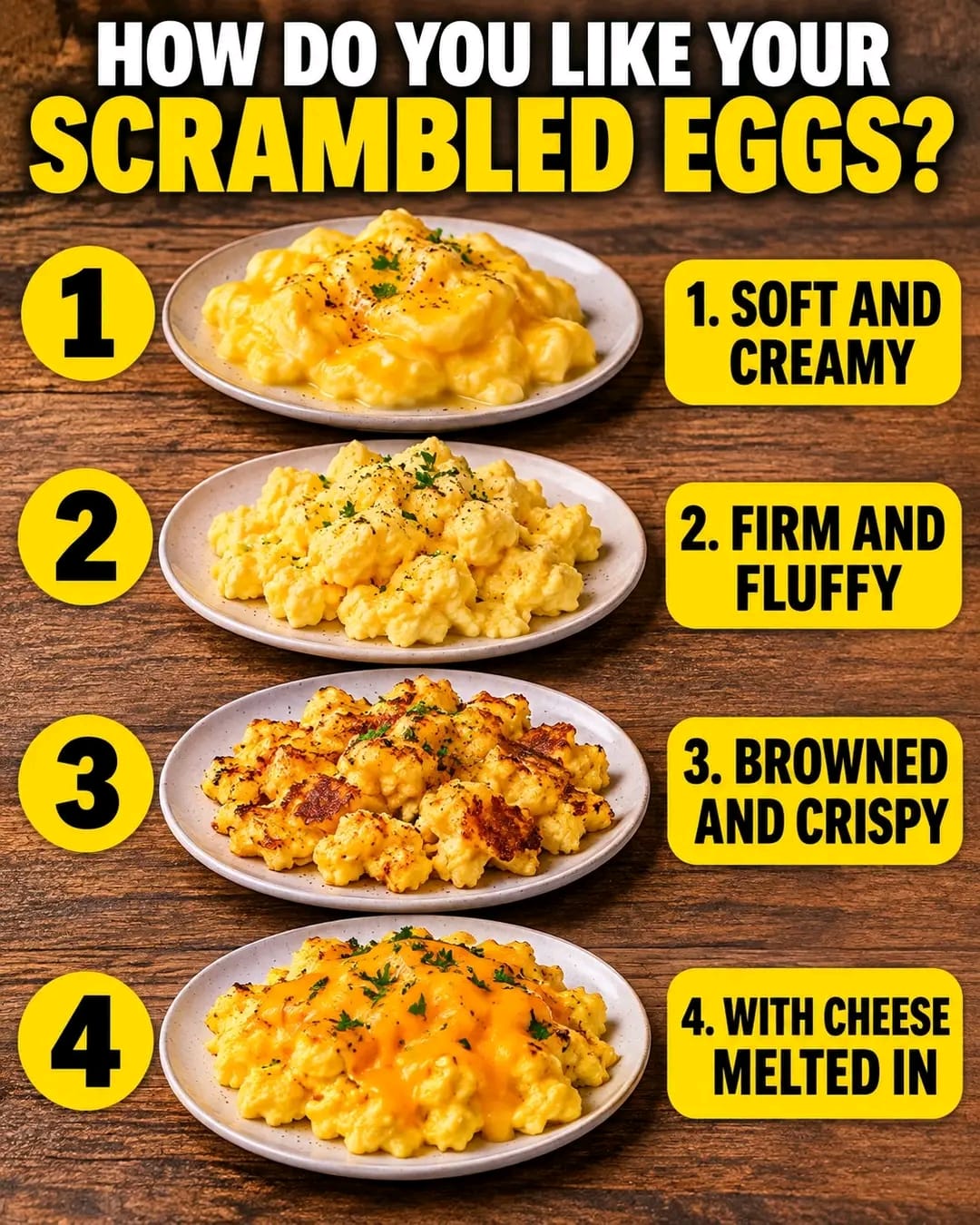
Scrambled eggs are a foundational staple of breakfast culture worldwide, offering the ultimate comfort food experience to start the day. Whether you prefer them gently slow-cooked until soft and velvety, whipped into a firm and fluffy mound, browned and crispy on the edges, or loaded with melted cheese, everyone has a distinct preference for how their eggs are prepared. When presented with four popular styles—Soft and Creamy, Firm and Fluffy, Browned and Crispy, and With Cheese Melted In—food lovers are instantly forced to choose their favorite.
Evaluating our relationship with morning meals goes beyond basic hunger; it intersects with culinary psychology, consumer habits, and household budgeting. Just as individuals manage household grocery expenses, navigate financial investments, or plan rewarding daily routines, understanding what brings us culinary joy enhances our everyday lives. In this comprehensive guide, we examine all four popular scrambled egg styles, analyze their unique textures, and explore how to cook them to absolute perfection.
The Four Contenders: Decoding Scrambled Egg Styles
To settle the debate on the ultimate scrambled egg preparation, we must evaluate what each of these four options brings to the table in terms of taste, texture, and cooking technique.
1. Style 1: Soft and Creamy
Slow-cooked over low heat with butter, soft scrambled eggs feature small, delicate curds with a velvety, moist consistency.
-
Texture & Technique: Cooked gently while stirring constantly, removing them from heat just before they fully set.
-
Why People Love It: Offers a luxurious, French-style gourmet mouthfeel that melts in your mouth.
2. Style 2: Firm and Fluffy
Whisked thoroughly with a touch of milk or cream and cooked over medium heat, firm and fluffy eggs provide a substantial, airy bite.
-
Texture & Technique: Fluffy curds that hold their shape well on the plate without being dry.
-
Why People Love It: Serves as the classic diner-style breakfast standard that pairs wonderfully with toast and bacon.
3. Style 3: Browned and Crispy
Cooked slightly longer over moderate-to-high heat, these eggs feature golden-brown, caramelized edges with a savory, roasted flavor profile.
-
Texture & Technique: Lightly charred exterior edges contrasting with tender interior curds.
-
Why People Love It: Delivers an extra layer of savory depth and a satisfying crispy texture.
4. Style 4: With Cheese Melted In
Packed with shredded cheddar or melting cheese folded directly into the warm curds, this style is pure indulgence.
-
Texture & Technique: Rich, gooey, and extra creamy thanks to melted dairy fats.
-
Why People Love It: Elevates standard eggs into a rich, decadent comfort food experience.
Practical Tips for Cooking Flawless Scrambled Eggs
Mastering the art of scrambled eggs requires attention to heat control and timing:
-
Low and Slow for Creaminess: If you prefer soft eggs, keep your burner on low heat and use a rubber spatula to continuously form gentle curds.
-
Season at the Right Time: Adding salt just before cooking or during whisking helps tenderize the eggs, though some chefs prefer seasoning right at the end to prevent moisture loss.
-
Manage Household Grocery Budgets: Eggs remain one of the most affordable, nutrient-dense sources of high-quality protein available, making them a smart staple for weekly family meal planning.
Interesting Facts About Eggs and Culinary History
-
The French Culinary Test: In classical culinary training, a chef’s ability to cook a proper French-style soft scramble is often used as a direct test of their fundamental kitchen skills.
-
Protein Powerhouses: A single large egg contains roughly 6 grams of high-quality protein along with essential amino acids and vital micronutrients.
-
Versatile Pairings: Scrambled eggs adapt effortlessly to herbs, hot sauce, vegetables, and meats, making them the most versatile canvas in breakfast cooking.
Conclusion
Whether you prefer soft and creamy, firm and fluffy, browned and crispy, or loaded with melted cheese, every scrambled egg preference reflects our personal palate and lifestyle. Exploring these classic styles is a fun way to celebrate cooking techniques and share an engaging debate with friends and family.
FAQ Section
Which cooking method creates the creamiest scrambled eggs?
Cooking eggs low and slow with butter while stirring continuously creates small, velvety curds that result in a rich, soft, and creamy texture.
Should I add milk or water to my beaten eggs?
Professional chefs generally recommend using whole eggs without added liquids, or just a small splash of heavy cream if richness is desired, as excess water can dilute flavor.
Why do scrambled eggs sometimes turn watery on the plate?
Watery eggs are usually caused by overcooking over high heat, which squeezes out the natural moisture trapped within the egg proteins, or by adding salt too early without cooking properly.
PINNED COMMENT:
👉 Discover the complete scrambled egg guide: [PASTE LINK]
Introduction
Scrambled eggs are a foundational staple of breakfast culture worldwide, offering the ultimate comfort food experience to start the day. Whether you prefer them gently slow-cooked until soft and velvety, whipped into a firm and fluffy mound, browned and crispy on the edges, or loaded with melted cheese, everyone has a distinct preference for how their eggs are prepared. When presented with four popular styles—Soft and Creamy, Firm and Fluffy, Browned and Crispy, and With Cheese Melted In—food lovers are instantly forced to choose their favorite.
Evaluating our relationship with morning meals goes beyond basic hunger; it intersects with culinary psychology, consumer habits, and household budgeting. Just as individuals manage household grocery expenses, navigate financial investments, or plan rewarding daily routines, understanding what brings us culinary joy enhances our everyday lives. In this comprehensive guide, we examine all four popular scrambled egg styles, analyze their unique textures, and explore how to cook them to absolute perfection.
The Four Contenders: Decoding Scrambled Egg Styles
To settle the debate on the ultimate scrambled egg preparation, we must evaluate what each of these four options brings to the table in terms of taste, texture, and cooking technique.
1. Style 1: Soft and Creamy
Slow-cooked over low heat with butter, soft scrambled eggs feature small, delicate curds with a velvety, moist consistency.
-
Texture & Technique: Cooked gently while stirring constantly, removing them from heat just before they fully set.
-
Why People Love It: Offers a luxurious, French-style gourmet mouthfeel that melts in your mouth.
2. Style 2: Firm and Fluffy
Whisked thoroughly with a touch of milk or cream and cooked over medium heat, firm and fluffy eggs provide a substantial, airy bite.
-
Texture & Technique: Fluffy curds that hold their shape well on the plate without being dry.
-
Why People Love It: Serves as the classic diner-style breakfast standard that pairs wonderfully with toast and bacon.
3. Style 3: Browned and Crispy
Cooked slightly longer over moderate-to-high heat, these eggs feature golden-brown, caramelized edges with a savory, roasted flavor profile.
-
Texture & Technique: Lightly charred exterior edges contrasting with tender interior curds.
-
Why People Love It: Delivers an extra layer of savory depth and a satisfying crispy texture.
4. Style 4: With Cheese Melted In
Packed with shredded cheddar or melting cheese folded directly into the warm curds, this style is pure indulgence.
-
Texture & Technique: Rich, gooey, and extra creamy thanks to melted dairy fats.
-
Why People Love It: Elevates standard eggs into a rich, decadent comfort food experience.
Practical Tips for Cooking Flawless Scrambled Eggs
Mastering the art of scrambled eggs requires attention to heat control and timing:
-
Low and Slow for Creaminess: If you prefer soft eggs, keep your burner on low heat and use a rubber spatula to continuously form gentle curds.
-
Season at the Right Time: Adding salt just before cooking or during whisking helps tenderize the eggs, though some chefs prefer seasoning right at the end to prevent moisture loss.
-
Manage Household Grocery Budgets: Eggs remain one of the most affordable, nutrient-dense sources of high-quality protein available, making them a smart staple for weekly family meal planning.
Interesting Facts About Eggs and Culinary History
-
The French Culinary Test: In classical culinary training, a chef’s ability to cook a proper French-style soft scramble is often used as a direct test of their fundamental kitchen skills.
-
Protein Powerhouses: A single large egg contains roughly 6 grams of high-quality protein along with essential amino acids and vital micronutrients.
-
Versatile Pairings: Scrambled eggs adapt effortlessly to herbs, hot sauce, vegetables, and meats, making them the most versatile canvas in breakfast cooking.
Conclusion
Whether you prefer soft and creamy, firm and fluffy, browned and crispy, or loaded with melted cheese, every scrambled egg preference reflects our personal palate and lifestyle. Exploring these classic styles is a fun way to celebrate cooking techniques and share an engaging debate with friends and family.
FAQ Section
Which cooking method creates the creamiest scrambled eggs?
Cooking eggs low and slow with butter while stirring continuously creates small, velvety curds that result in a rich, soft, and creamy texture.
Should I add milk or water to my beaten eggs?
Professional chefs generally recommend using whole eggs without added liquids, or just a small splash of heavy cream if richness is desired, as excess water can dilute flavor.
Why do scrambled eggs sometimes turn watery on the plate?
Watery eggs are usually caused by overcooking over high heat, which squeezes out the natural moisture trapped within the egg proteins, or by adding salt too early without cooking properly.
