
Introduction
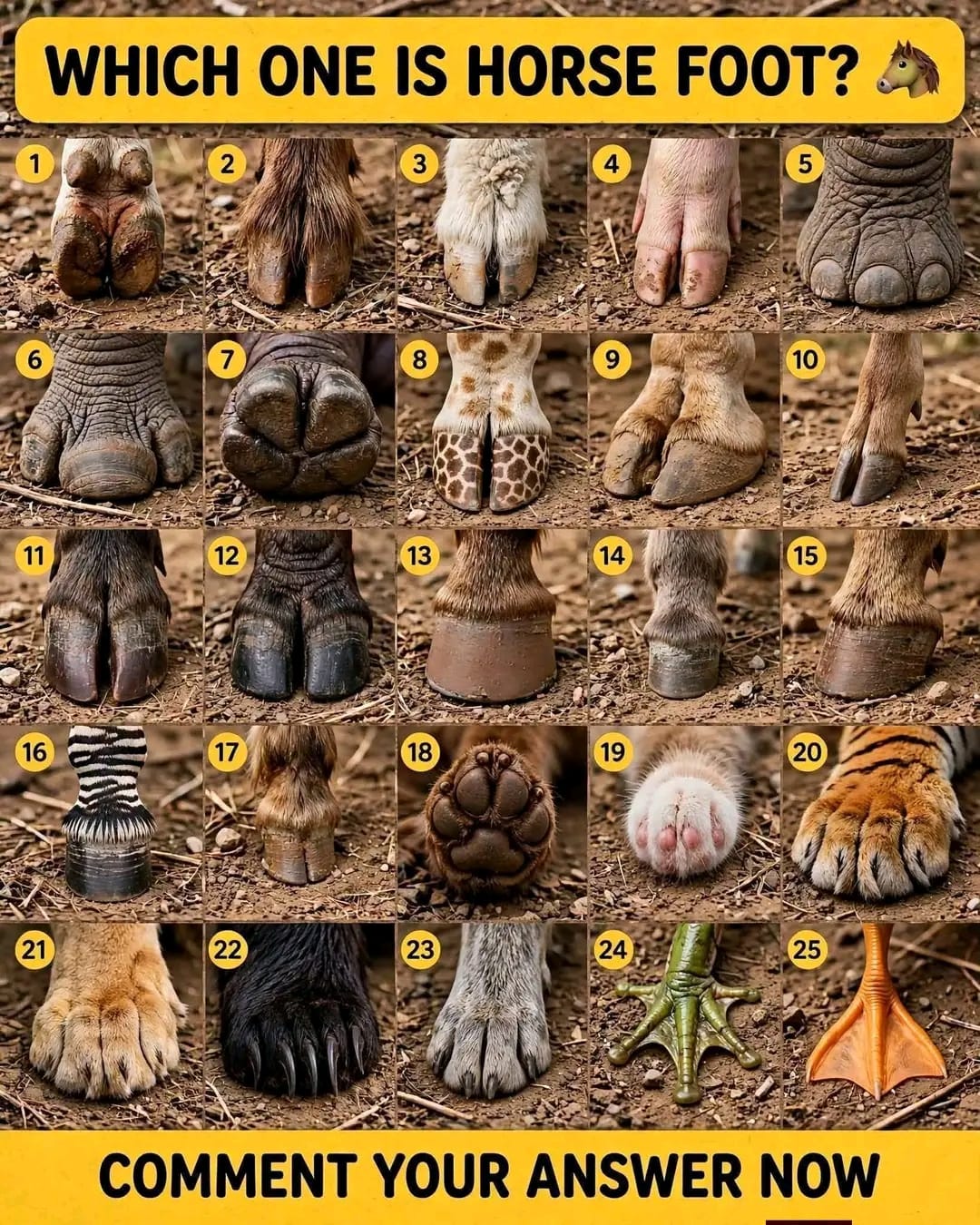
The natural world is filled with astonishing diversity, particularly when it comes to how different animal species have evolved to move across their environments. From paws and claws to pads and hooves, every animal’s foot structure is a masterpiece of evolutionary adaptation. When presented with a fascinating puzzle featuring 25 different animal feet—ranging from big cats and bears to elephants, giraffes, and equines—identifying the correct horse foot tests both our observational skills and our knowledge of zoology.
Understanding animal anatomy goes beyond simple curiosity; it connects with wildlife education, biology, and natural science appreciation. Just as individuals carefully evaluate financial investments, manage household budgets, or plan educational goals, exploring the wonders of the natural world broadens our understanding of life on Earth. In this comprehensive guide, we examine the mechanics of animal locomotion, analyze how hooves differ from paws, and reveal the true identity of the horse foot among the 25 contenders.
Decoding Animal Foot Structures: Paws, Claws, and Hooves
To solve the puzzle of identifying a horse’s foot among 25 options, we must understand the fundamental biological categories of animal locomotion.
1. Plantigrade, Digitigrade, and Unguligrade Locomotion
Animals are generally classified into three major groups based on how they touch the ground:
-
Plantigrade (Walking on Soles): Animals like humans, bears, and raccoons walk on the full sole of the foot (seen in numbers like 1, 18, and 21).
-
Digitigrade (Walking on Toes): Animals like cats and dogs walk on their digits, providing agility and stealth (seen in numbers 19 and 20).
-
Unguligrade (Walking on Hooves): Animals like horses, zebras, and deer walk on the tips of their toes, encased in hardened keratin hooves for speed and endurance.
2. Identifying the Horse Hoof
Horses are perissodactyls (odd-toed ungulates) that walk on a single, highly specialized toe encased in a robust keratin hoof. Looking closely at the 25 options in the grid, number 16 clearly displays the distinct striped leg markings of a zebra/equine family member resting upon a classic single solid hoof, while numbers 13, 14, and 15 showcase single-hoofed equine structures designed for high-speed running across open plains.
Practical Tips for Studying Wildlife and Animal Anatomy
-
Observe Weight Distribution: Notice how animals with heavy body masses, like elephants (numbers 5 and 6), have wide, cushioned pad structures to distribute weight evenly, whereas running animals concentrate weight on single or split hooves.
-
Study Environmental Adaptation: An animal’s foot structure tells you everything about its habitat—webbed feet for swimming (numbers 24 and 25), sharp claws for climbing or hunting (numbers 21 and 22), and hooves for traversing rocky or grassy terrain.
-
Engage in Nature Education: Exploring zoology quizzes and wildlife guides stimulates cognitive curiosity and deepens appreciation for biodiversity.
Fascinating Facts About Animal Feet
-
The Horse’s Single Toe: Evolutionarily speaking, modern horses are the descendants of multi-toed ancestors (like Eohippus), gradually evolving over millions of years to rely on a single central digit for maximum running speed.
-
Elephant Foot Cushions: Elephants walk on fatty, elastic cushion pads beneath their toe bones that act as natural shock absorbers, allowing them to move almost silently despite their immense weight.
-
Feline Retractable Claws: Most cats keep their claws retracted inside protective sheaths while walking to keep them sharp and prevent dulling against the ground.
Conclusion
Solving anatomical puzzles like identifying a horse’s foot among 25 diverse examples is a fun and engaging way to explore the wonders of animal evolution. Whether you spotted the single hoof immediately or enjoyed analyzing the paws and claws, understanding nature’s designs connects us more deeply to the wildlife we share our planet with.
FAQ Section
Which number in the image represents a horse’s foot?
Numbers 13, 14, 15, and 16 showcase single-hoofed equine structures, with number 16 displaying the characteristic leg markings and solid hoof of the horse and zebra family.
Why do horses walk on a single toe?
Walking and running on the tip of a single fused digit reduces limb weight, allowing horses to swing their legs faster and escape predators across open grasslands with incredible endurance.
What is the difference between a hoof and a claw?
A hoof is a curved, hardened keratin covering that protects the tips of an ungulate’s toes and supports heavy body weight, whereas claws are sharp, pointed structures used primarily by carnivores for gripping, climbing, and hunting.
