
Introduction
Boiling an egg sounds like one of the simplest tasks in culinary history. Yet, ask ten home cooks how long it takes to achieve the perfect boiled egg, and you will likely receive ten different answers. Whether you prefer a runny, liquid yolk for dipping toast fingers or a firm, fully set yellow center for egg salad or meal prep, mastering the exact timing is a crucial kitchen skill. A difference of just one minute can change an egg from a delicate, jammy texture to an overcooked, chalky yolk surrounded by an unappealing green ring.
Understanding the nuances of egg preparation goes beyond basic kitchen techniques; it connects with efficient household management, daily nutrition, and smart grocery budgeting. Just as individuals carefully select health insurance policies, plan financial investments, or manage household expenses to protect their quality of life, mastering simple cooking techniques saves time, reduces food waste, and elevates everyday meals. In this comprehensive guide, we examine the science of boiling eggs, break down every minute from 4 to 15 minutes, and share practical tips for flawless results.
The Minute-by-Minute Breakdown: What Happens Inside the Shell
To achieve your ideal boiled egg, it helps to understand how heat transforms the proteins within both the egg white (albumin) and the yolk. As heat transfers through the shell, egg proteins denature and coagulate, gradually shifting from a liquid state to a solid matrix.
1. 4 to 5 Minutes: The Liquid Soft-Boiled Stage
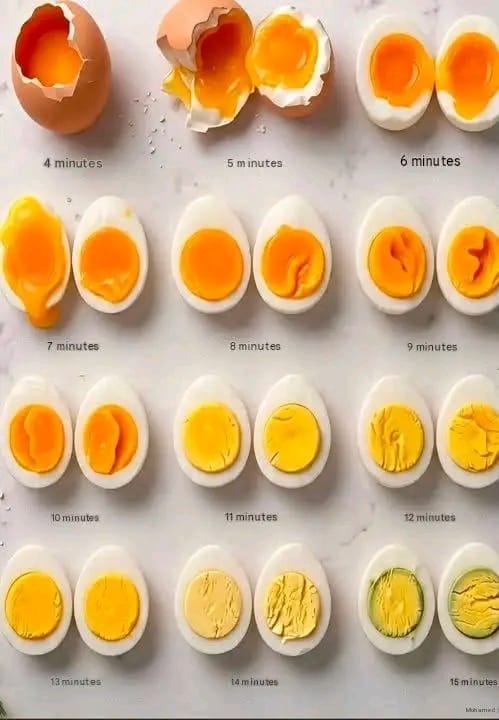
At 4 to 6 minutes, the egg whites are barely set or delicately soft, while the yolk remains entirely liquid and warm.
-
Texture: Runny, velvety yolk with soft, delicate whites that require gentle handling.
-
Best Uses: Ideal for dipping pieces of crusty buttered toast, ramen noodles, or enjoying straight from the shell with a dash of salt and pepper.
2. 6 to 7 Minutes: The Jammy “Ramen Egg” Stage
As you approach 6 and 7 minutes, the outer edges of the yolk begin to thicken into a custard-like consistency while the center stays gooey.
-
Texture: A rich, sticky, “jammy” yolk texture encased in a fully set white.
-
Best Uses: Perfect for Asian noodle bowls, avocado toast toppings, or gourmet brunch presentations.
3. 8 to 10 Minutes: The Firm-Creamy Stage
From 8 to 10 minutes, the yolk continues to firm up, transitioning from a deep golden paste to a solid, creamy center.
-
Texture: Firm yet smooth, offering a rich mouthfeel without being dry.
-
Best Uses: Excellent for grain bowls, salads, or eating as a protein-packed snack on the go.
4. 11 to 13 Minutes: The Classic Hard-Boiled Stage
At 11 to 13 minutes, the egg is officially hard-boiled. The yolk is completely set, pale yellow, and ready for slicing.
-
Texture: Firm, uniform texture throughout the entire egg.
-
Best Uses: The golden standard for classic egg salad, deviled eggs, or meal-prepped lunches.
5. 14 to 15 Minutes: The Overcooked Danger Zone
Leaving eggs in boiling water for 14 to 15 minutes results in an extremely firm, powdery yolk.
-
Texture: Dry, crumbly yolk often surrounded by a greenish-gray ring caused by a chemical reaction between sulfur and iron.
-
Best Uses: Generally avoided, though usable in finely mashed spreads if heavily mixed with mayonnaise and mustard.
Practical Tips for Boiling and Peeling Eggs Flawlessly
Even with precise timing, struggling to peel a fresh egg can ruin your culinary efforts. Implement these practical kitchen strategies for effortless cooking:
-
Start with Boiling Water: Lowering cold eggs into already boiling water (or steaming them) makes the egg whites less likely to stick to the inner shell membrane, ensuring easy peeling.
-
Use an Ice Bath: Prepare a bowl of ice water while your eggs cook. Immediately transferring the cooked eggs into the ice bath stops the cooking process instantly and shrinks the egg slightly inside the shell.
-
Tap and Roll: Gently tap the cooled egg on a hard surface to fracture the shell all over, then roll it gently under the palm of your hand before peeling under cool running water.
-
Manage Household Food Costs: Eggs represent one of the most affordable, nutrient-dense sources of high-quality protein available. Buying farm-fresh eggs locally or in bulk supports household budgeting while delivering superior nutrition.
Interesting Facts About Eggs and Culinary History
-
The Science of the Green Ring: That unappealing green ring around overcooked egg yolks is completely harmless. It occurs when sulfur compounds in the egg white react with iron in the yolk under prolonged high heat.
-
Egg Grading Standards: Commercial egg grades (AA, A, and B) are determined by the interior quality of the egg and the cleanliness and thickness of the shell, rather than the bird’s size.
-
Ancient Protein Staples: Humans have collected and consumed bird eggs since prehistoric times, transitioning from wild gathering to organized domestication of chickens thousands of years ago.
Conclusion
Mastering the boiled egg is a simple yet rewarding culinary milestone. Whether you prefer a 6-minute jammy yolk for your ramen or a classic 12-minute hard-boiled egg for meal prep, timing is everything. By combining precise cooking times with proper ice-bath techniques and smart kitchen habits, you can guarantee perfect results every single time.
FAQ Section
How do I stop hard-boiled eggs from being difficult to peel?
Using older eggs rather than ultra-fresh farm eggs makes peeling much easier because the air pocket inside the shell expands over time. Additionally, plunging hot eggs directly into an ice bath shrinks the egg slightly away from the shell membrane.
Is it better to start eggs in cold water or boiling water?
Starting eggs in already boiling water (or using a steamer basket) is widely considered superior by chefs because the intense heat prevents the egg white proteins from fusing tightly to the inner shell lining.
Why do overcooked egg yolks turn green?
Prolonged boiling causes sulfur in the egg white to react with iron in the yolk, forming ferrous sulfide, which creates the harmless gray-green ring.
