
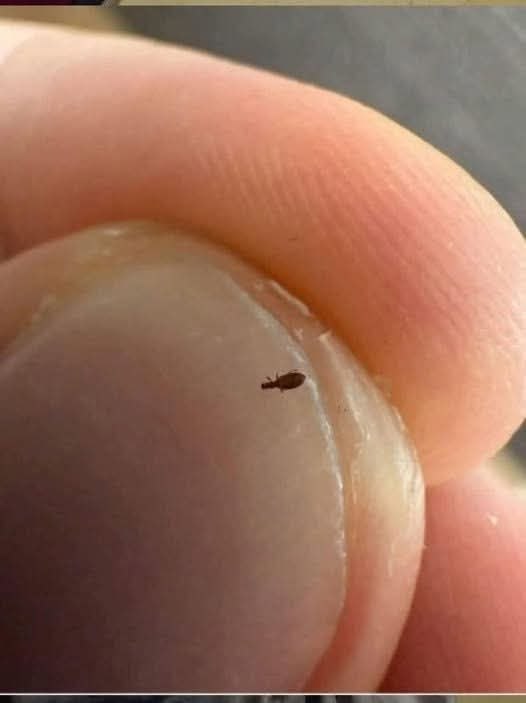
Maintaining an organized, clean kitchen is essential for everyday home life, yet even the most meticulous households can occasionally encounter unexpected pantry pests. Among the most common tiny invaders is the grain weevil—a microscopic or small beetle known for infesting dry goods like flour, rice, oats, pasta, and breakfast cereals. Discovering tiny bugs crawling near your food supplies can be alarming, but understanding how they get there and how to prevent them makes all the difference.
Understanding pantry pest biology, exploring effective food storage strategies, and appreciating how kitchen hygiene connects to broader topics like retail grocery standards, agricultural supply chains, homeowner’s insurance, and personal finance is essential. In this comprehensive guide, we will explore the world of grain weevils, practical pest prevention tips, and how proper household management keeps you fully supported.
Understanding Grain Weevils and Pantry Infestations
Grain weevils are small beetles belonging to the family Curculionidae, uniquely adapted to feed and breed within dry stored grains.
-
The Life Cycle: Female weevils chew holes into grain kernels to deposit eggs inside, sealing the opening with a gelatinous secretion. The larvae then develop entirely hidden inside the grain before emerging as adults.
-
Common Sources: Infestations often originate from packaged dry goods purchased from grocery stores or wholesale warehouses where eggs were already present inside the packaging.
-
Harmless Yet Nuisance: While encountering weevils in your food can be unsettling, they do not bite, sting, or transmit human diseases, though contaminated food should always be discarded.
Practical Tips for Preventing and Managing Pantry Pests
To keep your pantry free of unwanted pests and protect your dry food investments, consider incorporating these practical strategies into your routine:
-
Use Airtight Containers: Transfer flour, rice, grains, and pasta out of paper or cardboard boxes immediately upon purchase and store them in heavy-duty, airtight glass or plastic containers.
-
Inspect Regularly: Routinely check dry goods for signs of webbing, clumping, or tiny crawling insects, especially items kept in the pantry for long periods.
-
Freeze Suspect Items: Placing newly purchased grains or flours in the freezer for 48 hours can kill any hidden eggs or larvae before they hatch and spread.
-
Consult Pest Control Professionals: For severe, persistent household infestations or commercial pantry contamination, consult licensed pest management professionals or sanitation experts.
Interesting Facts About Weevil History
-
Ancient Agriculture: Grain weevils have coexisted with human agriculture for thousands of years, discovered inside ancient Egyptian tombs where grain was stored to feed the pharaohs in the afterlife.
-
Incredible Resilience: Certain species of stored-product insects can survive for weeks without direct access to water, relying entirely on the moisture present within dry grains.
-
Viral Internet Culture: Tiny, humorous photos of minute insects resting on fingertips frequently capture viral attention online, sparking lighthearted community discussions and meme culture.
Financial, Insurance, and Legal Aspects of Food Storage and Property Management
Managing a commercial food pantry, operating a retail grocery store, or maintaining residential property involves important financial, regulatory, and insurance considerations. Ensuring that food storage facilities comply with health department standards, pest control protocols, and commercial liability insurance protects businesses and consumers alike. Furthermore, budgeting wisely for household groceries and quality storage containers contributes to long-term personal financial organization.
Conclusion
Encountering tiny pantry pests is a common household hurdle that highlights the importance of proper food storage and kitchen hygiene. By understanding pest lifecycles, implementing airtight storage habits, and maintaining a clean culinary space, you can protect your food supplies and enjoy a pest-free home with total confidence.
Frequently Asked Questions (FAQ)
What is the tiny bug often found in flour or grain packages?
It is typically a grain weevil or flour beetle, a small insect that feeds and reproduces inside dry stored agricultural products.
How do weevils get inside sealed food packages?
Adult female weevils lay microscopic eggs inside grain kernels during harvesting or processing; the eggs hatch later inside cardboard or paper packaging after purchase.
Can you still eat food if you find a weevil in it?
It is generally recommended to discard heavily infested dry goods, though accidental ingestion of minor weevil contamination in thoroughly cooked foods is not known to be toxic or harmful.
