
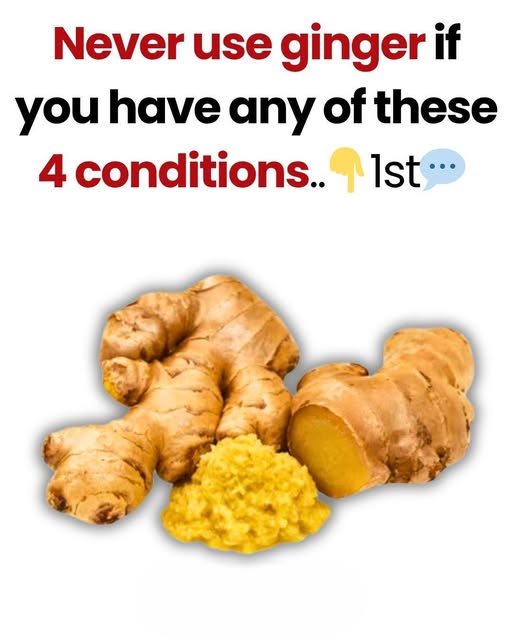
Ginger is widely celebrated for its medicinal properties, ranging from soothing digestive discomfort and nausea to reducing inflammation. This natural root has been a staple in traditional medicine and culinary practices around the world for centuries. However, despite its impressive health profile, ginger is not universally beneficial for everyone in high amounts.
Certain active compounds in ginger can interact with specific medical conditions and prescription medications, potentially triggering unwanted side effects or health risks.
4 Conditions That Require Caution with Ginger Intake

While moderate amounts of culinary ginger used in cooking are generally safe for most people, medicinal supplementation or heavy daily consumption should be evaluated carefully.
+-------------------------------------------------------------------------------+
|                       GINGER CONTRAINDICATION MATRIX                          |
+--------------------------+----------------------------------------------------+
| HEALTH CONDITION         | PRIMARY MEDICAL CONCERN                            |
+--------------------------+----------------------------------------------------+
| 1. Bleeding Disorders    | Inhibits platelet aggregation and thins blood.     |
| 2. Gallstones            | Stimulates bile production, causing blockage pain. |
| 3. Underweight / Anorexia| Suppresses appetite and accelerates fat digestion. |
| 4. Pregnancy (Late Stage)| May stimulate uterine contractions in high doses.  |
+--------------------------+----------------------------------------------------+
1. Bleeding Disorders and Blood Thinning Medications
Ginger contains natural salicylates and active compounds that act as mild anti-platelet agents, helping prevent blood clots. For individuals taking prescription blood thinners (such as Warfarin or Aspirin) or those living with bleeding disorders like hemophilia, consuming high doses of ginger can increase the risk of excessive bleeding or bruising.
-
The Caution: Avoid concentrated ginger supplements or high daily doses if you are scheduled for surgery or take anticoagulant medications.
2. Gallstone Disease and Gallbladder Issues
Ginger naturally stimulates the production of bile in the liver. While this assists normal fat digestion in healthy individuals, it can be problematic for those with active gallstones or biliary tract obstructions.
-
The Caution: Increased bile flow can push gallstones into bile ducts, potentially causing painful blockages and requiring emergency medical care.
3. Underweight Conditions and Severe Appetite Loss
Because ginger speeds up gastric emptying and acts as a natural appetite suppressant, it is often utilized in weight management diets. However, for individuals who are severely underweight, struggling to gain weight, or recovering from eating disorders, high ginger intake can exacerbate weight loss.
-
The Caution: Avoid daily high-dose ginger teas or supplements if maintaining or gaining body weight is your primary health goal.
4. Late-Stage Pregnancy
While ginger is frequently recommended in low, controlled doses to soothe early morning sickness, high doses during the third trimester can present risks.
-
The Caution: Excessive ginger intake near term may stimulate uterine contractions or increase bleeding risks during delivery. Pregnant individuals should always consult their healthcare provider regarding exact daily dosages.
Health, Financial, and Medical Management Benefits
Understanding natural dietary contraindications protects overall health while preventing unnecessary medical complications.
Preventing Drug Interactions and Hospitalization Risks
Herbal supplements often interact silently with pharmaceuticals. Being mindful of how natural remedies like ginger interact with medications lowers the risk of adverse drug reactions, helping prevent emergency room visits and unexpected medical bills.
Preserving Personal Health Insurance and Preventative Care
Taking an active approach to natural supplement safety ensures that home remedies support your health rather than complicate ongoing medical treatments, keeping long-term healthcare costs predictable and manageable.
Practical Safety Tips for Consuming Ginger
-
Stick to Culinary Amounts: Adding fresh or powdered ginger as a spice in home-cooked meals is safe for almost everyone.
-
Consult Before Supplementing: Always speak with a physician or pharmacist before taking high-dose ginger capsules, extracts, or concentrated tinctures.
-
Pause Before Surgery: Stop taking medicinal ginger supplements at least two weeks prior to any elective surgical or dental procedures to ensure normal blood clotting.
-
Monitor Digestive Response: If you experience heart burn, stomach upset, or mouth irritation after consuming ginger, lower your intake immediately.
Fascinating Facts About Ginger
-
Ancient Digestive Aid: Historical records show that Chinese and Indian philosophers recommended ginger for digestive health over 5,000 years ago.
-
Active Compounds: The distinctive spicy flavor and pharmacological benefits of ginger come primarily from bioactive chemical compounds called gingerols and shogaols.
-
Botanical Family: Ginger belongs to the Zingiberaceae plant family, making it a close botanical relative to turmeric and cardamom.
Conclusion
Ginger remains one of nature’s most effective and versatile medicinal herbs. However, high doses can pose health risks for individuals with bleeding disorders, gallstones, severe underweight conditions, or late-stage pregnancies. By maintaining awareness of dietary safety and consulting healthcare professionals, you can safely enjoy the benefits of ginger while protecting your overall health.
Frequently Asked Questions (FAQ)
Can I drink ginger tea every day?
For most healthy adults, drinking 1 to 2 cups of moderate ginger tea daily is safe and offers excellent anti-inflammatory benefits. However, those with contraindications should consult a doctor first.
Does ginger affect blood pressure?
In moderate amounts, ginger may lower blood pressure slightly by acting as a natural calcium channel blocker. Those taking prescription hypertension medications should monitor their blood pressure closely.
What is the recommended daily limit for ginger?
Most health authorities recommend limiting raw ginger intake to under 4 grams per day (and under 1 gram per day for pregnant individuals).
Can ginger cause heart palpitations?
Consuming extremely large quantities of concentrated ginger supplements may cause lightheadedness, heartburn, or mild heart palpitations in sensitive individuals.
