
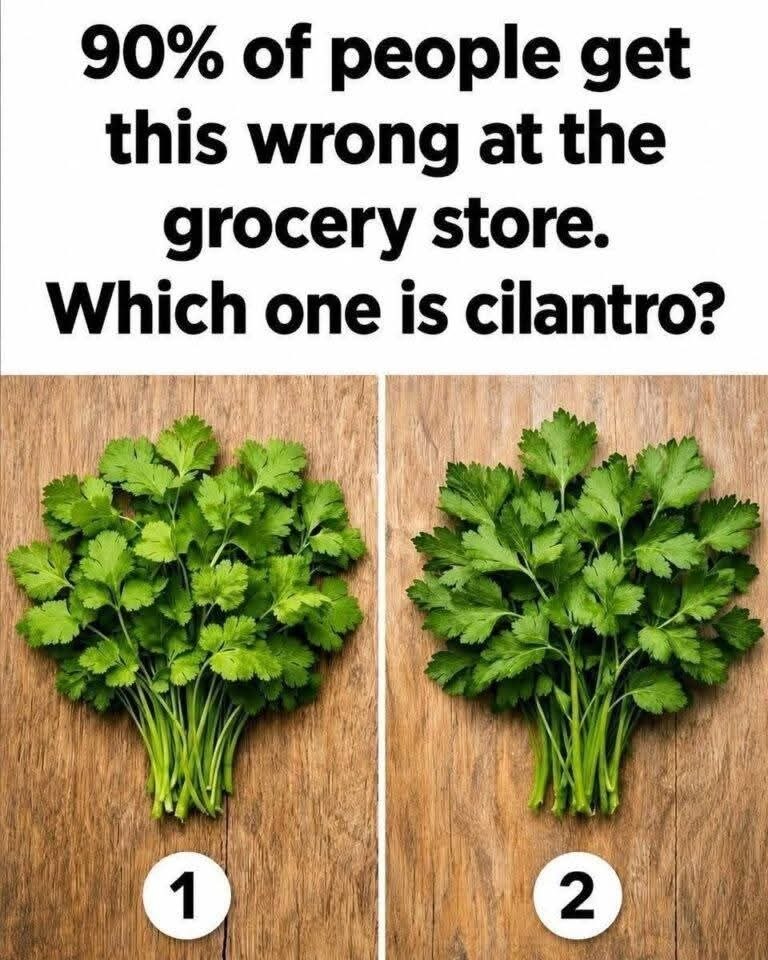
Walking down the produce aisle of a grocery store, shoppers are often greeted by vibrant displays of fresh, leafy green herbs. Among the most common visual mix-ups in the culinary world are cilantro and flat-leaf (Italian) parsley. Because their leaf structures look strikingly similar at a glance, many home cooks accidentally grab the wrong herb, leading to unexpected flavors in homemade salsas, soups, and garnishes.
Understanding how to identify fresh herbs, exploring their distinct flavor profiles, and appreciating how culinary arts connect to broader topics like retail grocery management, food safety, agricultural economics, and personal finance is essential. In this comprehensive guide, we will explore the differences between cilantro and parsley, practical grocery shopping tips, and how proper kitchen management keeps you fully supported.
Understanding Cilantro and Parsley: Botanical Distinctions
While both herbs belong to the Apiaceae (carrot and parsley) family, they possess distinct visual and chemical characteristics that set them apart.
-
Leaf Shape and Edges: Cilantro (number 1) features rounded, fan-shaped leaves with delicate, scalloped edges, whereas flat-leaf parsley (number 2) has sharper, more pointed leaflets with jagged, serrated edges.
-
Aroma and Flavor Chemistry: Cilantro contains high levels of aldehyde compounds, giving it a pungent, citrusy aroma that some people perceive as fresh and bright, while others genetically experience as soapy. Parsley offers a clean, earthy, and peppery flavor profile.
-
Growth Habit: Both herbs grow in bright green bunches with slender stems, making a close inspection of the leaf margins essential for correct identification in the store.
Practical Tips for Shopping and Herb Preservation
To ensure you always select the right herb and keep your produce fresh for as long as possible, consider incorporating these practical strategies into your routine:
-
Check the Scent: When in doubt, gently crush a single leaf between your fingers and take a sniff; cilantro has an unmistakable pungent or citrusy scent, while parsley smells fresh and grassy.
-
Store Properly: Keep fresh herbs vibrant by trimming the stem ends, placing them upright in a jar with an inch of water, and covering them loosely with a plastic bag in the refrigerator.
-
Label When Prepping: If you chop multiple herbs ahead of time for meal prep, label your storage containers to avoid mixing up flavors in your recipes.
-
Consult Culinary Experts: For advanced herb pairing ideas, garden cultivation tips, or professional cooking classes, consult certified chefs or local agricultural extension agents.
Interesting Facts About Herb History
-
Ancient Culinary Uses: Both cilantro and parsley have been cultivated and used in Mediterranean, Middle Eastern, and Asian cooking for thousands of years, prized for both their flavor and medicinal properties.
-
The Genetics of Taste: Disliking cilantro is not just a picky palate—scientific studies have shown that a specific set of olfactory receptor genes makes some individuals sensitive to the soapy aldehydes in the plant.
-
Nutritional Boost: Fresh green herbs are packed with vitamins A, C, and K, as well as powerful antioxidants, offering a concentrated nutritional punch to everyday dishes.
Financial, Insurance, and Legal Aspects of Grocery Retail and Farming
Managing a commercial produce department, operating an agricultural farm, or running a retail grocery store involves important financial, regulatory, and insurance considerations. Ensuring that food supply chains comply with health and safety standards, organic certifications, and cold-storage regulations protects retailers and consumers alike. Furthermore, budgeting wisely for household groceries contributes to long-term personal financial health.
Conclusion
Mastering the subtle differences between everyday kitchen staples like cilantro and parsley is a small skill that makes a massive difference in your cooking. By understanding botanical identification, practicing smart shopping habits, and appreciating the rich culinary history of fresh herbs, you can elevate every meal you prepare with absolute confidence.
Frequently Asked Questions (FAQ)
Which number represents cilantro in the photo?
Number 1 is cilantro, characterized by its rounded, fan-shaped leaves with scalloped edges, while number 2 is flat-leaf Italian parsley with pointed, serrated leaflets.
How can you tell cilantro and parsley apart if they look similar?
The easiest way is to look at the leaf shape—cilantro leaves are rounded and lobed, whereas parsley leaves are sharper and more triangular with jagged edges. Rubbing a leaf to test the aroma also instantly reveals cilantro’s distinct citrusy or pungent scent.
Why does cilantro taste like soap to some people?
Genetics play a major role; certain individuals possess variations in olfactory receptor genes that make them particularly sensitive to specific aldehyde chemicals found in cilantro leaves.
