
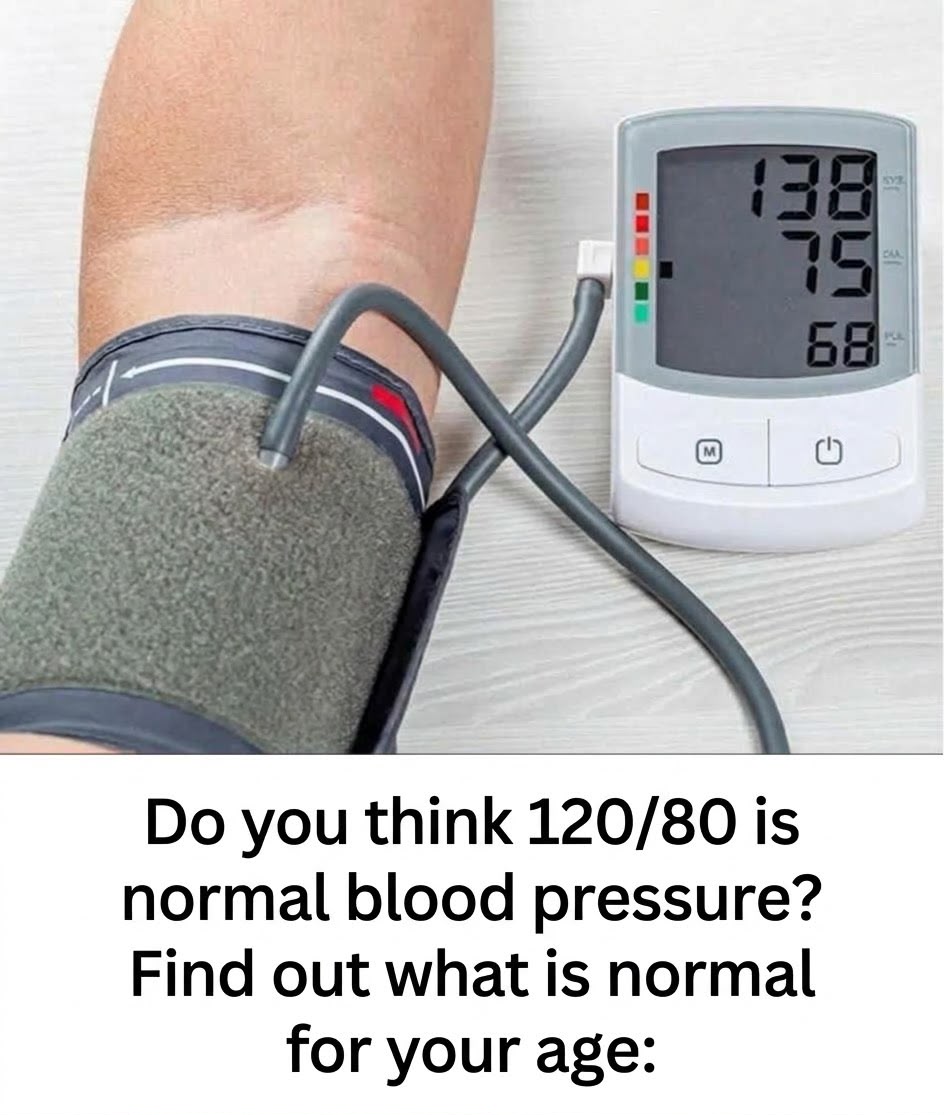
For decades, almost everyone who has stepped into a doctor’s office or wrapped an inflatable cuff around their arm has heard the same classic metric: 120/80 is the ideal blood pressure. It is etched into our collective health knowledge as the absolute benchmark of cardiovascular wellness. But as clinical science advances and modern diagnostic tools become more precise, experts are reevaluating this universal standard. Is 120/80 truly the golden standard for every individual, regardless of whether they are twenty-five or seventy-five?
Understanding blood pressure is far more complex than memorizing a single set of numbers. Factors such as biological age, gender, lifestyle habits, underlying conditions, and family history all play critical roles in defining what a healthy reading looks like for you. Moreover, navigating blood pressure management carries significant real-world implications—not only for your daily vitality and long-term health, but also for practical life planning, including securing affordable health insurance policies or qualifying for comprehensive life insurance coverage.
In this comprehensive guide, we will break down the real science behind blood pressure readings, explore how healthy ranges naturally shift across different stages of life, expose common measurement mistakes, and provide actionable steps to keep your heart performing at its peak.
The Truth About 120/80: What Blood Pressure Numbers Actually Measure
To understand whether 120/80 is appropriate for your age, it helps to look at what those two numbers represent on a digital blood pressure monitor. Blood pressure measures the force that circulating blood exerts against the walls of your body’s major arteries as your heart pumps.
-
Systolic Pressure (Top Number): This measures the pressure in your arteries when your heart contracts and actively pushes blood through your circulatory system. In a reading of 138/75, for instance, 138 is the systolic pressure.
-
Diastolic Pressure (Bottom Number): This measures the pressure in your blood vessels when your heart rests between beats. In that same reading, 75 represents the diastolic force.
A monitor displaying 138/75 indicates an elevated systolic reading alongside a perfectly healthy diastolic value. While classic guidelines labeled anything under 120/80 as “normal,” major health organizations—including the American Heart Association (AHA) and the American College of Cardiology (ACC)—updated their cardiovascular guidelines to refine these categories.
Current Official Cardiovascular Guidelines
According to updated clinical frameworks, adult blood pressure falls into five distinct categories:
-
Normal: Systolic lower than 120 mm Hg and diastolic lower than 80 mm Hg.
-
Elevated: Systolic between 120 and 129 mm Hg and diastolic less than 80 mm Hg.
-
Stage 1 Hypertension: Systolic between 130 and 139 mm Hg or diastolic between 80 and 89 mm Hg.
-
Stage 2 Hypertension: Systolic 140 mm Hg or higher or diastolic 90 mm Hg or higher.
-
Hypertensive Crisis: Systolic higher than 180 mm Hg and/or diastolic higher than 120 mm Hg (requires immediate medical attention).
How Blood Pressure Expectations Shift With Age
Why do many clinicians look at age when evaluating a reading like 138/75 or 120/80? The answer lies in the natural vascular changes that occur as the human body grows older.
As we age, blood vessels naturally lose some of their elasticity. Arteries stiffen over time due to structural changes in collagen and vascular smooth muscle, a condition known as arterial stiffness. Consequently, systolic blood pressure tends to rise steadily with age, whereas diastolic pressure often peaks around age 55 to 60 and then slowly declines.
Age-Based Reading Expectations Overview
While official guidelines aim for less than 120/80 across all adults to reduce cardiovascular risk, clinical practice often recognizes age-adjusted realistic targets to balance treatment risks and benefits.
| Age Range | Typical Average Systolic Range | Typical Average Diastolic Range | Clinical Focus |
| 20–29 Years | 110–120 mm Hg | 70–80 mm Hg | Baseline establishment & preventative health |
| 30–39 Years | 112–122 mm Hg | 72–82 mm Hg | Early lifestyle intervention & stress management |
| 40–49 Years | 116–125 mm Hg | 74–84 mm Hg | Vascular health monitoring & diet evaluation |
| 50–59 Years | 118–128 mm Hg | 75–85 mm Hg | Arterial stiffness assessment & weight control |
| 60–69 Years | 120–134 mm Hg | 70–85 mm Hg | Managing isolated systolic elevation |
| 70+ Years | 120–140 mm Hg | 68–80 mm Hg | Individualized target setting to prevent dizziness |
For a young adult in their 20s, a consistent reading of 138/75 is considered Stage 1 Hypertension and warrants immediate lifestyle adjustments. However, for a 75-year-old adult, clinicians often balance medication intensity to avoid hypotension (low blood pressure) or lightheadedness that could lead to dangerous falls, treating the overall patient profile rather than just aiming blindly for 120/80.
The Financial & Insurance Impact of Blood Pressure Management
Beyond personal health, your blood pressure numbers have a direct impact on your financial well-being. Cardiovascular health is one of the primary underwriting metrics evaluated by underwriters when issuing individual insurance policies, securing financial products, or planning for long-term care.
Life & Disability Insurance Underwriting
When applying for term or whole life coverage, insurance companies routinely conduct a health screening or review medical records. Applicants who consistently maintain normal blood pressure qualify for “Preferred Best” tier rates, saving thousands of dollars over the lifetime of a policy. Conversely, unmanaged hypertension can raise premiums significantly or require medical riders.
Health Insurance & Preventative Care Benefits
Under modern healthcare reform standards, most preventive medical services—including annual physical exams, routine blood pressure checks, and hypertension counseling—are covered at 100% without co-pays by qualified health insurance plans. Utilizing these covered resources helps individuals catch early trends before elevated readings require costly prescriptions or specialty consultations.
Financial Planning & Retirement Security
Proactive blood pressure control directly protects your long-term investment portfolio and retirement savings. According to healthcare economists, managing chronic cardiovascular conditions early significantly reduces out-of-pocket prescription expenses, emergency room visits, and inpatient hospitalization costs later in life. Protecting your vascular health is, in effect, protecting your personal finance and long-term economic stability.
Common Myths and Errors When Testing Blood Pressure
Many individuals receive artificially inflated readings simply because of improper testing techniques or psychological stress. Before assuming your blood pressure is abnormally high, consider these common measurement pitfalls:
1. “White Coat Syndrome”
Up to 20% of people experience elevated blood pressure specifically inside a clinic or doctor’s office due to subconscious anxiety or stress. This phenomenon, known as White Coat Hypertension, can result in temporary spikes of 10 to 30 mm Hg. Doctors often recommend at-home tracking or 24-hour ambulatory monitoring to get an accurate baseline.
2. Incorrect Cuff Size or Placement
Using a monitor cuff that is too small for your upper arm can yield artificially high readings by up to 10 to 15 mm Hg. Ensure the cuff fits snugly around your bare bicep, aligned directly over your brachial artery, roughly one inch above the bend of your elbow.
3. Poor Posture and Arm Position
Your arm must be supported at heart level during a reading. If your arm hangs down by your side or rests lower than your chest, gravity can artificially inflate your reading by up to 10 mm Hg. Furthermore, sitting with crossed legs or back unsupported can increase systolic values by 2 to 8 mm Hg.
4. Recent Caffeine, Exercise, or Full Bladder
A full bladder can increase blood pressure readings by 10 to 15 mm Hg. Similarly, consuming caffeinated beverages, smoking, or exercising within 30 minutes of taking a test causes transient spikes in vascular constriction.
Practical Tips to Maintain Healthy Blood Pressure at Any Age
Whether your goal is to optimize an already healthy reading or bring elevated numbers back into a target zone, simple evidence-based lifestyle habits can yield dramatic improvements.
Adopt the DASH Eating Plan
The Dietary Approaches to Stop Hypertension (DASH) diet is clinically proven to reduce systolic blood pressure by up to 11 mm Hg. Focus on whole foods rich in potassium, magnesium, and calcium, such as:
-
Leafy greens (spinach, kale, Swiss chard)
-
Berries, bananas, and avocados
-
Nuts, seeds, and legumes
-
Lean proteins and whole grains
-
Minimal processed foods and reduced sodium intake (aim for under 1,500 mg per day)
Stay Consistently Active
Engaging in 150 minutes of moderate-intensity aerobic exercise per week—such as brisk walking, swimming, cycling, or light jogging—strengthens the heart muscle, allowing it to pump more blood with less effort and reducing pressure on arterial walls.
Manage Chronic Stress
Stress triggers the release of hormones like cortisol and adrenaline, which temporarily constrict blood vessels and increase heart rate. Incorporating daily stress-reduction practices like deep breathing exercises, mindfulness meditation, or outdoor recreation can significantly improve long-term vascular tone.
Monitor At Home Regularly
Investing in a validated home blood pressure monitor allows you to track your numbers under relaxed, real-world conditions. Record readings at the same times each day (such as morning and evening) and share the digital log with your healthcare provider during routine checkups.
Fascinating Facts About Blood Pressure & Cardiovascular Science
-
Circadian Rhythm Sensitivity: Blood pressure naturally follows a daily pattern. It dips by 10% to 20% while you sleep (a natural process called “nocturnal dipping”) and surges shortly before you wake up in the morning.
-
The Pulse Pressure Indicator: The difference between your systolic and diastolic numbers is called your pulse pressure. For example, in a 138/75 reading, the pulse pressure is 63 mm Hg (138 – 75 = 63). A pulse pressure consistently above 60 mm Hg can be an early indicator of arterial stiffness in older adults.
-
Cold Weather Effect: Blood pressure is generally higher in the winter than in the summer because lower temperatures cause blood vessels to temporarily narrow (vasoconstriction) to conserve body heat.
-
Laughter is Vascular Therapy: Clinical studies show that genuine laughter causes the endothelium (the inner lining of blood vessels) to dilate, temporarily increasing blood flow and lowering pressure in a manner similar to aerobic exercise.
Conclusion: Taking Control of Your Cardiovascular Future
The age-old notion that 120/80 is the universal standard for every individual at every stage of life overlooks the subtle nuances of human biology. While 120/80 remains an excellent benchmark for baseline health, understanding your personal numbers within the context of your age, overall medical history, and daily environment is essential for effective cardiovascular care.
A single reading on a monitor—whether it reads 120/80, 138/75, or something else entirely—is simply one snapshot in time. What matters most is the long-term trend. By staying proactive, maintaining routine checkups with qualified medical professionals, adopting heart-healthy lifestyle habits, and leveraging your preventive health insurance benefits, you can safeguard your heart health and secure a healthier, more confident future.
Frequently Asked Questions
Is a reading of 138/75 dangerous?
A reading of 138/75 is not an immediate emergency, but it falls into the category of Stage 1 Hypertension under modern guidelines due to the elevated systolic value (138). However, the diastolic value (75) is optimal. A doctor will typically recommend tracking readings at home over several weeks and focusing on dietary and lifestyle modifications before considering medical treatment.
Does blood pressure naturally increase with age?
Yes. As adults get older, the body’s large arteries naturally become stiffer and less elastic. This increased stiffness causes systolic blood pressure to rise gradually over time. While a slight increase is common with aging, maintaining healthy lifestyle habits can significantly mitigate age-related vascular stiffness.
What is the best time of day to take blood pressure?
It is recommended to check your blood pressure twice daily: once in the morning before eating or taking medications, and once in the evening. Rest quietly for 5 minutes before taking a reading, and avoid caffeine, tobacco, or exercise for 30 minutes beforehand to ensure accurate results.
Can stress permanently increase blood pressure?
While acute stress causes temporary spikes in blood pressure by releasing stress hormones, chronic long-term stress can contribute to sustained hypertension indirectly by promoting poor sleep, overeating, elevated alcohol consumption, or lack of physical activity.
How does high blood pressure affect life insurance rates?
Life insurance companies evaluate blood pressure during the underwriting process to assess mortality risk. Well-controlled blood pressure (whether through healthy lifestyle or medication) typically qualifies applicants for lower, competitive premium tiers, whereas untreated high blood pressure can result in higher rates or coverage exclusions.
