
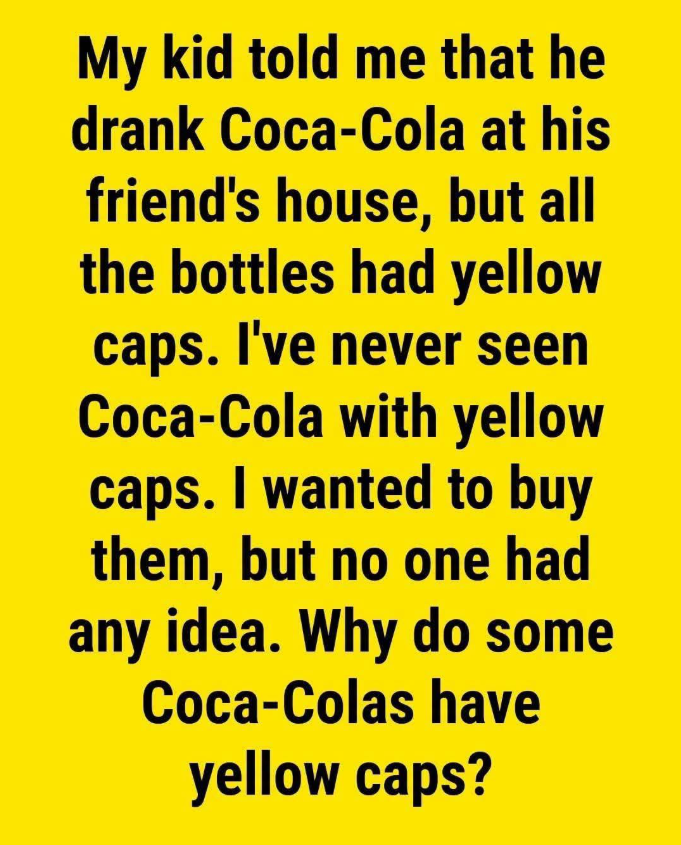
When shopping in the beverage aisle or visiting a friend’s house during the spring, you might notice something unusual on two-liter Coca-Cola bottles: a bright yellow bottle cap replacing the brand’s signature red top. While many consumers assume a yellow cap indicates a new flavor, a promotional sweepstakes, or a packaging mistake, it actually signifies a special, highly sought-after formulation.
The yellow cap is Coca-Cola’s universal indicator for Kosher for Passover Coke. Produced in limited batches each spring, this seasonal version swaps out standard high-fructose corn syrup for 100% real cane sugar. In this comprehensive beverage guide, we will explore the story behind Kosher for Passover Coca-Cola, examine the taste and ingredient differences, share shopping tips, and review essential consumer rights, health insurance, and personal finance considerations.
The Reason Behind the Yellow Cap: Kosher for Passover Rules
To understand why Coca-Cola produces a different formula each spring, it helps to examine Jewish dietary laws regarding the holiday of Passover:
1. The Prohibition of Kitniyot
During the eight days of Passover, Jewish law prohibits the consumption of chametz (leavened grains like wheat, barley, and rye). Additionally, Ashkenazi Jewish traditions abstain from kitniyot—a category that includes legumes, rice, seeds, and corn.
2. Replacing High-Fructose Corn Syrup
Since the 1980s, standard American Coca-Cola has been sweetened with High-Fructose Corn Syrup (HFCS 55). Because corn is classified as kitniyot, standard Coke is not suitable for observant families celebrating Passover. To serve Jewish communities during the spring holiday, The Coca-Cola Company temporarily reverts to its original recipe, using certified sucrose (real cane sugar) instead of corn syrup.
3. Rabbinical Certification and Packaging
Bottles filled with the cane sugar recipe are certified by major kosher certification organizations (such as the Orthodox Union, marked by an “OU-P” symbol). The company caps these bottles with bright yellow lids to make them instantly recognizable to shoppers on grocery store shelves.
Cane Sugar vs. High-Fructose Corn Syrup: Why Soda Fans Seek It Out
While created for religious observance, yellow-cap Coke has developed a massive cult following among beverage enthusiasts, food scientists, and soda purists:
-
Cleaner Flavor Profile: Real cane sugar provides a crisp, clean sweetness with less lingering syrupy coat on the palate compared to corn syrup.
-
Similar to “Mexican Coke”: Fans of glass-bottled “Mexican Coke”—which is also made with real cane sugar—frequently buy cases of yellow-cap two-liters in the spring because it offers the same authentic cane-sugar taste at standard grocery store prices.
Health Insurance, Personal Finance, and Consumer Nutrition
Navigating dietary choices and soda consumption connects directly to metabolic health, health insurance coverage, and household grocery budgeting.
Managing Sugar Intake and Health Insurance Incentives
While cane sugar soda offers a classic taste, managing overall dietary sugar remains crucial for cardiovascular and metabolic wellness:
-
Metabolic Health Monitoring: Excess added sugar intake contributes to weight gain, insulin resistance, and elevated triglyceride levels. Commercial health insurance policies, Medicare, and Medicaid fully cover annual wellness checkups, lipid panels, and glucose screenings to monitor prediabetes risks.
-
Nutritional Counseling Coverage: Many health insurance plans cover preventive consultations with Registered Dietitians to help families build balanced, low-glycemic nutrition plans.
Personal Finance and Grocery Budgeting
Purchasing seasonal cane-sugar Coca-Cola in two-liter yellow-cap bottles provides a budget-friendly option for soda purists. Buying two-liter yellow-cap bottles during the spring holiday season allows consumers to enjoy real-sugar soda without paying premium prices for imported glass bottles, helping stretch household entertainment budgets.
Interesting Facts About Coca-Cola History
-
The Original Formula: When Coca-Cola was invented by Dr. John Pemberton in 1886, it was exclusively sweetened with pure cane sugar before American bottling plants transitioned to high-fructose corn syrup in the 1980s due to corn tariffs and subsidies.
-
The OU-P Stamp: Look closely at a yellow Coca-Cola cap; you will see the letters “OU-P,” signifying certification by the Orthodox Union for Passover use.
-
Yellow Caps Across Brands: Other beverage companies follow similar conventions, using yellow or white labeled caps on sodas like Sprite, Diet Coke, and Pepsi during the spring to indicate certified kosher formulations.
Conclusion
The yellow cap on a Coca-Cola bottle is a signal of quality, tradition, and seasonal care. By replacing corn syrup with 100% real cane sugar for Passover, Coca-Cola delivers an authentic, classic beverage experience that delights both holiday observers and soda lovers alike.
Frequently Asked Questions (FAQ)
What does the yellow cap on Coca-Cola mean?
A yellow cap indicates that the bottle contains Kosher for Passover Coca-Cola, made with real cane sugar instead of high-fructose corn syrup.
When can you buy yellow-cap Coca-Cola in stores?
Yellow-cap Coca-Cola is released seasonally in late winter and early spring, usually arriving in grocery stores a few weeks before the Jewish holiday of Passover.
Is yellow-cap Coke the same as Mexican Coke?
Both versions are sweetened with real cane sugar rather than high-fructose corn syrup. However, yellow-cap Coke is sold in standard plastic two-liter or 12-ounce plastic bottles, whereas Mexican Coke is imported in glass bottles.
