
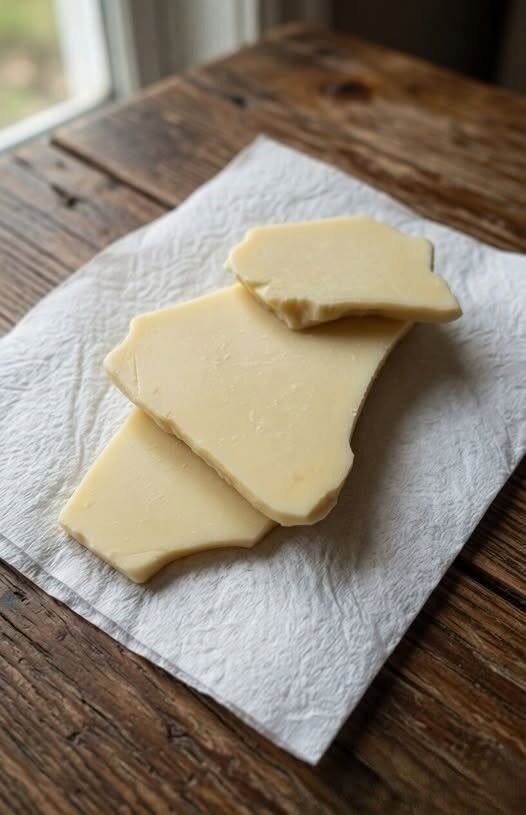
Making your own pure food products at home has transformed from a niche hobby into a major lifestyle shift. Whether you are looking to take complete control over what goes into your body, reduce reliance on heavily processed store-bought goods, or explore the culinary arts from scratch, crafting pure fats like cocoa butter and clarified dairy butter is one of the most rewarding kitchen projects you can undertake.
When you look at a batch of freshly set, unrefined homemade butter or cocoa butter resting on parchment paper, you are seeing a product entirely free from synthetic preservatives, artificial emulsifiers, hidden sugars, and chemical bleaches. In this comprehensive guide, we will explore everything you need to know about preparing, storing, and utilizing premium homemade fats. We will cover step-by-step preparation methods, nutritional breakdowns, practical everyday uses in culinary and personal care applications, and smart financial reasons why mastering this technique benefits your household budget.
Why Make Your Own Fats and Butters at Home?
In today’s fast-paced food industry, commercially produced oils, fats, and spreads often undergo extreme industrial processing. To extend shelf life and maintain uniform consistency across thousands of supermarket shelves, manufacturers frequently use high-heat deodorization, chemical bleaching, hydrogenated oils, and synthetic stabilizing agents.
When you craft your own butter or extract vegetable fats like cocoa butter at home, you bypass this entire industrial chain. You retain control over every variable, including source ingredients, fat purity, moisture content, and flavor profile.
The Nutritional Superiority of Unprocessed Fats
Natural fats play a vital role in human nutrition, serving as structural building blocks for cell membranes, crucial components for hormone synthesis, and essential vehicles for absorbing fat-soluble vitamins (A, D, E, and K).
-
Absence of Trans Fats and Hydrogenated Oils: Industrial processing often alters the molecular structure of fats to prevent spoilage. Natural, home-prepared fats remain in their native chemical structure.
-
Preservation of Micro-Nutrients: Low-heat extraction methods preserve delicate bioactive compounds, trace minerals, and naturally occurring antioxidants that are otherwise destroyed during high-temperature factory refining.
-
Purity and Allergen Control: Homemade preparation ensures zero cross-contamination with common industrial allergens such as soy lecithin, gluten additives, or palm oil fillers.
Financial and Household Budget Benefits
Beyond health advantages, preparing staple kitchen ingredients at home fits into a prudent financial and business mindset for managing household resources. While high-end specialty stores charge premium prices for organic, artisanal, or unrefined blocks of pure butter and cocoa fat, purchasing raw materials in bulk dramatically lowers the cost per ounce.
Integrating cost-effective food preparation strategies creates immediate savings for family budgets, freeing up disposable capital for crucial financial goals such as retirement planning, investment growth, or expanding emergency liquid savings.
Understanding Cocoa Butter vs. Fresh Cultured Dairy Butter
While both are referred to as “butter” in common language, plant-based cocoa butter and animal-derived dairy butter possess distinctly different lipid profiles, melting points, and practical applications.
| Feature | Pure Cocoa Butter | Fresh Dairy Butter |
| Origin | Cold-pressed or rendered from cocoa beans | Churned fat solids from milk cream |
| Fat Structure | High in stearic and palmitic saturated fatty acids | Rich in butyric acid and short-chain triglycerides |
| Melting Point | Approx. 93°F to 101°F (Body temperature) | Approx. 90°F to 95°F |
| Shelf Life | 2 to 5 years (Extremely shelf-stable) | 2 to 4 weeks refrigerated (Months frozen) |
| Primary Uses | Chocolate making, confectionery, skin health | Baking, sautéing, sauces, direct spreading |
Understanding these fundamental differences helps you choose the right base fat for specific culinary techniques, cosmetic treatments, or DIY remedies.
Step-by-Step Guide to Making Pure Homemade Butter
Crafting classic cultured or sweet cream butter at home requires minimal equipment but precise attention to temperature and technique. Follow this detailed method to achieve creamery-quality results every time.
Ingredients and Equipment Needed
-
Heavy Cream: 1 quart of fresh heavy whipping cream (preferably non-ultra-pasteurized for maximum yield and natural flavor).
-
Ice Water: 3 to 4 cups of ice-cold distilled water (crucial for washing milk solids).
-
Salt (Optional): 1/2 teaspoon of fine sea salt or non-iodized mineral salt.
-
Equipment: Stand mixer, food processor, or large glass mason jar; fine-mesh strainer or cheesecloth; parchment paper or absorbent kitchen towel.
Step 1: Cream Temperature Preparation
Bring your heavy cream to approximately 55°F to 60°F (13°C to 15°C). Cream that is too cold will take significantly longer to break, while cream that is too warm will yield soft, greasy butter solids that are difficult to separate from liquid whey.
Step 2: The Agitation Phase
Pour the cream into your mixer bowl fitted with a whisk attachment. Begin whipping on medium speed. The cream will progress through distinct structural stages:
-
Soft Peaks (3–4 minutes): Standard whipped cream consistency.
-
Stiff Peaks (5–7 minutes): Dense, structural foam.
-
Grainy Break (8–10 minutes): The fat globules begin colliding and clumping together, separating from liquid buttermilk.
-
Complete Separation (11–12 minutes): Pale yellow butter solids cluster densely around the whisk, swimming in liquid buttermilk.
Step 3: Draining the Liquid Buttermilk
Pour the contents of the bowl through a fine-mesh strainer lined with cheesecloth. Collect the liquid buttermilk in a separate glass vessel; do not discard it, as fresh buttermilk is excellent for culinary baking, marinades, and cooking applications.
Step 4: Washing the Butter Solids
This step is the most critical factor in extending shelf life. Trapped buttermilk contains lactose and proteins that cause rapid fermentation and rancidity if left inside the butter.
-
Place the solid butter mass into a bowl filled with ice-cold water.
-
Knead the butter gently using wooden paddles or clean hands. The water will turn cloudy.
-
Pour off the cloudy water, replace with fresh ice water, and repeat the kneading process 3 to 4 times until the water remains completely clear.
Step 5: Pressing and Shaping
Place the rinsed butter onto parchment paper or a clean absorbent towel. Press firmly to extract any remaining moisture droplets. Mix in salt if desired, shape the fat into blocks or slabs, and wrap tightly in parchment paper followed by an airtight container.
Extracting and Refining Natural Cocoa Butter
For plant-based enthusiasts, extracting raw fat from cocoa liquor or fermented cacao beans yields pure cocoa butter—a cornerstone ingredient in modern confectionery, pharmaceutical applications, and premium health and beauty products.
The Extraction Process
-
Roasting and Winnowing: Cacao beans are lightly roasted to loosen husks and develop flavor, then cracked and winnowed to separate the nibs from light outer shells.
-
Grinding into Cocoa Liquor: Cacao nibs are processed under heavy stone rollers or high-powered mechanical grinders. The intense friction liquefies the dense cocoa fat, resulting in rich cocoa liquor.
-
Pressing the Fat: High-pressure hydraulic presses force the golden liquid fat away from dark cocoa solid particles.
-
Solidification: The liquid cocoa fat is collected, filtered through micro-mesh screens, and poured onto parchment paper or molds to set into hard, cream-colored slabs at room temperature.
Practical Culinary Applications for Home-Crafted Fats
Having a steady supply of pure, unrefined fats unlocks extraordinary versatility in the kitchen. Here is how top culinary experts utilize high-grade natural fats to elevate everyday meals:
Elevated High-Heat Cooking and Sautéing
By clarifying your homemade dairy butter—removing the residual water and milk protein solids—you create ghee. Plain butter burns at around 350°F (177°C), whereas clarified fat features a high smoke point of up to 485°F (252°C), making it ideal for searing steaks, roasting vegetables, and high-temperature frying without forming carcinogenic compounds.
Artisanal Chocolate and Confectionery
Pure cocoa butter is essential for tempering dark, milk, and white chocolate. Tempering aligns the fat molecules into stable Beta-V crystals, giving finished chocolate a shiny finish, crisp snap, and smooth mouthfeel.
Enhancing Baking Textures
Using high-fat homemade butter in pie crusts, croissants, and shortbread biscuits creates distinct steam pockets during baking, yielding flaky, tender layers that commercial shortener products simply cannot replicate.
Health, Skincare, and Wellness Applications
Natural lipids are not merely for consumption; they form the basis of effective natural personal care regimens, medical skin ointments, and holistic wellness routines.
Skin Hydration and Barrier Protection
Unrefined cocoa butter is rich in natural antioxidants, including polyphenols and vitamin E. When applied topically, it creates a protective barrier over the stratum corneum (the outermost layer of the skin), locking in deep cellular moisture and helping protect against environmental stress, dry winter climates, and skin irritations.
Soothing Inflammation and Scar Tissue
Dermatological studies highlight the role of natural fatty acids in improving skin elasticity. Regular application of cocoa fat helps soften scar tissue, soothe eczema flare-ups, and preserve natural lipid barriers without synthetic petroleum additives.
Natural DIY Cosmetics
You can combine melted homemade cocoa butter with natural carrier oils (such as jojoba, sweet almond, or cold-pressed olive oil) to create custom:
-
Hydrating lip balms and salves
-
Whipped body creams
-
Deep conditioning hair masks
-
Soothing post-sun recovery lotions
Practical Tips for Success and Troubleshooting
Mastering fat rendering and butter churning requires recognizing minor mistakes before they affect your final product. Keep these actionable guidelines in mind during preparation:
-
Always Use Cold Water for Rinsing: Warm or room-temperature water will melt milk fat globules instantly, washing your butter yield right down the drain.
-
Eliminate All Water Droplets: Water promotes microbial growth. Use clean paper towels or lint-free cotton cloths to press every micro-droplet out of dairy butter before cold storage.
-
Prevent Odor Absorption: Fats naturally absorb ambient odors from the refrigerator or pantry. Store finished blocks in double-wrapped parchment inside airtight glass containers away from pungent foods like onions or garlic.
-
Fixing Broken Emulsions: If your dairy cream separates into a greasy, grainy liquid without forming neat butter clusters, the mixture is likely too warm. Place the entire bowl in the refrigerator for 20 minutes to cool down, then resume churning at medium speed.
-
Sanitize All Tools Thoroughly: Ensure all bowls, strainers, and storage jars are thoroughly sanitized with boiling water prior to use to keep airborne bacteria from spoiling fresh batches prematurely.
Fascinating Facts About Butter and Natural Fats
-
Ancient Currency and Trade: In ancient Ireland and Northern Europe, butter was so highly valued that it was used as tax payment, trade currency, and preserved in peat bogs for years to age into rare delicacies known today as “bog butter.”
-
Body-Temperature Melting Point: Pure cocoa butter is one of the only natural fats on Earth that remains completely solid at ambient room temperature (~70°F) yet melts rapidly at human body temperature (~98.6°F), giving high-quality chocolate its signature silky melt.
-
Naturally Yellow Hue: The rich, golden-yellow color of grass-fed dairy butter comes from beta-carotene, the same natural pigment found in carrots, which cows absorb naturally from grazing on fresh pasture greens.
-
Chocolate Chemistry: White chocolate contains zero cocoa solids; its distinct aroma, creamy texture, and rich flavor come exclusively from pure cocoa butter combined with milk powder and natural sweeteners.
-
Long Shelf Life: Due to its extremely low water content and high concentration of stable saturated fatty acids, unrefined cocoa butter can remain fresh at room temperature for over three years without going rancid.
Financial, Legal, and Business Considerations for Small Producers
If your passion for crafting natural fats leads you toward launching a small-scale cottage food business, homestead venture, or local market brand, several crucial structural considerations come into play:
Quality Control and Health Compliance
Before selling food items or skincare products commercially, research your local health department’s cottage food laws. Regulations often dictate maximum batch sizes, permissible equipment sanitization standards, and required food allergen labeling.
Trademark, Legal Services, and Insurance Protection
As a growing enterprise expands sales across state lines or online platforms, establishing a formal legal entity (such as an LLC) protects personal assets. Consulting an experienced business attorney ensures proper compliance with labeling requirements, product liability coverage, and commercial insurance coverage against consumer claims.
Investment and Capital Allocation
Scaling from kitchen-counter batches to commercial equipment requires strategic capital management. Investing in industrial planetary mixers, automated oil presses, and temperature-controlled refrigeration systems demands careful cash flow planning, business loans, or targeted reinvestment from revenue to maintain healthy profit margins.
Conclusion
Learning to prepare pure, high-quality fats like cultured dairy butter and rich cocoa butter at home bridges the gap between traditional self-reliance and modern culinary excellence. By avoiding industrial additives, chemical bleaching, and hyper-processed vegetable oils, you ensure that what goes onto your plate—and onto your skin—is pure, nourishing, and completely natural.
With simple tools, fresh ingredients, and attention to detail, you can easily produce rich, golden slabs of butter that far surpass standard commercial options in flavor, quality, and versatility. Try making your first batch today to enjoy the unmatched taste and health benefits of unrefined, handcrafted fats!
Frequently Asked Questions (FAQ)
1. How long does homemade butter last in the refrigerator?
When washed thoroughly to remove all residual buttermilk whey, homemade salted dairy butter lasts up to 3 to 4 weeks in the refrigerator. Unsalted versions typically last about 2 weeks. For long-term storage, seal blocks tightly in freezer-safe wrap and store them in the freezer for up to 9 months.
2. Can I use raw milk to make homemade butter?
Yes, raw unpasteurized whole milk can be used. Allow fresh raw milk to sit undisturbed in the refrigerator for 24 hours so the cream naturally rises to the top. Skim off the heavy cream layer and use it directly for churning. Ensure all raw dairy practices comply with local health guidelines.
3. Why did my butter turn out soft and greasy instead of solid?
Soft, greasy butter is typically caused by churning cream that was too warm. If cream temperature exceeds 65°F (18°C), the fat globules break down into liquid oil rather than clumping into firm, solid clusters. Always cool cream down to 55°F before churning and use ice-cold water during the washing phase.
4. What is the difference between refined and unrefined cocoa butter?
Unrefined cocoa butter is naturally extracted using minimal heat, retaining its natural pale ivory color, mild chocolate aroma, and delicate antioxidants. Refined cocoa butter undergoes further deodorization and bleaching processes to remove all scent and color, making it a neutral base fat for scented cosmetics or unscented culinary recipes.
5. Is homemade butter healthier than margarine or vegetable shortener?
Yes. Homemade natural butter consists of pure, single-ingredient fat without industrial hydrogenation, artificial trans fats, chemical solvents, or synthetic preservatives. Margarine and vegetable shorteners often undergo intensive chemical processing and contain refined seed oils higher in unstable omega-6 fatty acids.
6. Can cocoa butter be used for cooking and baking?
Absolutely. Cocoa butter is fully edible and widely used in culinary arts, especially for making chocolates, frostings, and delicate baked pastries. It has a high smoke point (around 400°F / 200°C), making it suitable for sweet sautéing and specialty desserts.
