
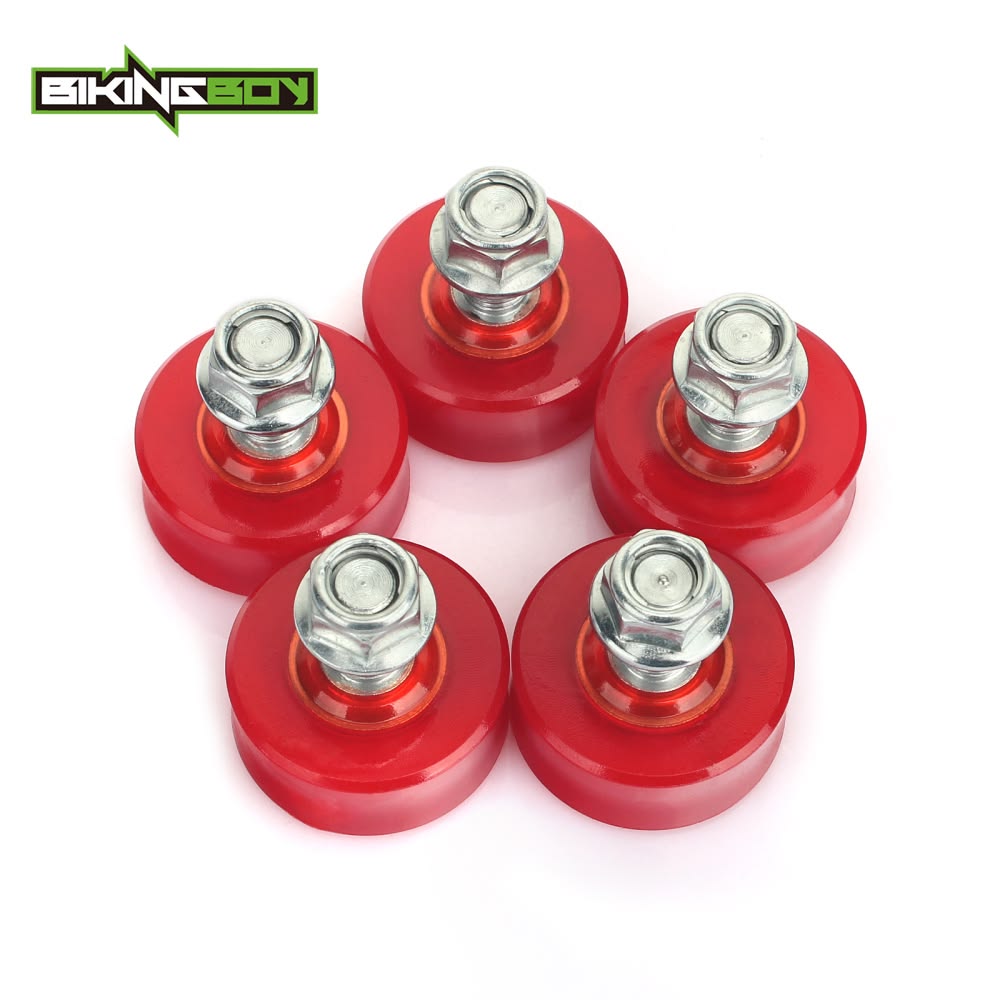
When motorcycle enthusiasts talk about upgrading performance, the discussion usually revolves around high-flow exhaust systems, electronic fuel injection tuning, performance tires, or upgraded suspension setups. However, hidden deep inside your motorcycle’s rear wheel hub or clutch assembly lies a set of unassuming polyurethane or rubber dampeners—commonly referred to as cush drive rubbers or clutch hub dampers.
Despite their humble appearance and low replacement cost, these small components play a crucial role in absorbing drivetrain shock, smoothing out power delivery, protecting your transmission gears, and extending the life of your entire motorcycle setup. Neglecting these essential wear items can lead to excessive drive chain slack, jerky acceleration, accelerated clutch wear, and potentially catastrophic gearbox failure.
Whether you ride a high-performance sportbike, a heavy-duty touring cruiser, an adventure bike, or a daily commuter scooter, understanding how your clutch cush drive system works—and knowing when to replace it—is vital for your bike’s safety, mechanical health, and long-term operating costs. In this ultimate guide, we explore everything you need to know about motorcycle cush drive dampers, clutch hub cushions, maintenance schedules, replacement procedures, and insurance considerations.
What Is a Cush Drive and How Does It Work?
To understand why clutch and rear wheel dampers are so important, it helps to first understand the mechanics of power transfer in a motorcycle.
When you roll on the throttle or drop the clutch, the engine generates rotational torque that is immediately transferred through the primary drive, clutch, transmission, front sprocket, chain, and finally to the rear wheel. Without a damping mechanism, every piston firing stroke and gear shift would transmit a harsh, metal-on-metal impact directly into the rear wheel hub and gearbox internals.
The Physics of Drivetrain Damping
A cush drive acts as a mechanical shock absorber integrated directly into the rear wheel assembly or clutch basket. It typically consists of heavy-duty elastomer or polyurethane rubber blocks fitted tightly inside metal pockets:
-
Engine Engagement: As power is delivered, the inner hub rotates slightly against the rubber blocks before turning the wheel or basket.
-
Shock Absorption: The elastomer compresses under load, absorbing peak torque spikes and smoothing out violent engine pulses.
-
Deceleration Damping: When you abruptly close the throttle or downshift (engine braking), the cushions compress in the opposite direction, preventing rear wheel hop and drivetrain slop.
By absorbing these continuous rotational forces, cush drive dampers prevent premature wear on expensive hard parts like gear teeth, splines, bearings, and clutch plates.
5 Signs Your Clutch Cush Drive Dampers Are Worn Out
Like tires and brake pads, cush drive rubbers are wear items subjected to thousands of compression cycles, extreme heat, engine oil, and atmospheric breakdown. Over time, the rubber degrades, hardens, shrinks, or splits, causing excessive free play in the drivetrain.
Here are five key warning signs that your motorcycle needs new cush drive dampers:
1. Excessive Drivetrain “Slop” and Clunking Noise
When accelerating from a complete stop or switching from coasting to throttle engagement, do you hear or feel a sharp “clunk” sound from the rear wheel or engine primary case? This metallic knocking noise occurs when worn, shrunken rubber buffers allow metal surfaces to bang against each other before engaging.
2. Jerky Throttle Response at Low Speeds
If your motorcycle feels unusually jerky during low-speed maneuvers, parking lot riding, or stop-and-go traffic, deteriorated dampers are often the prime suspect. When the rubber loses its elasticity, smooth throttle adjustments turn into abrupt, snatchy power delivery.
3. Accelerated Chain and Sprocket Wear
Worn cush rubbers fail to cushion shock loads, transferring violent forces directly to your drive chain and sprockets. This results in uneven chain stretch, premature sprocket tooth wear (hooking), and frequent chain tension readjustment intervals.
4. Excessive Free Play in the Rear Sprocket
With the motorcycle on a center stand or rear paddock stand (engine off and in gear), grab the rear sprocket firmly with your hands and attempt to rotate it forward and backward relative to the wheel rim. If you feel noticeable rotational play or wiggle room between the sprocket carrier and the wheel hub, your cush drive rubbers are completely shot.
5. Increased Vibrations at Highway Speeds
Hardened or crumbling rubber cushions lose their ability to dampen secondary engine harmonics and road feedback. If you notice unusual footpeg or handlebar vibrations that were not present previously, inspecting your clutch and wheel dampers should be high on your maintenance checklist.
Rubber vs. Polyurethane Dampers: Which Is Right for You?
When replacing your cush drive dampers, you will generally choose between OEM factory rubber inserts and aftermarket polyurethane (PU) upgrades.
| Feature | OEM Factory Rubber | Aftermarket Polyurethane (PU) |
| Material Composition | Vulcanized Synthetic Rubber | Molded Polyurethane Elastomer |
| Damping Feel | Softer, maximum shock absorption | Stiffer, direct throttle response |
| Durability & Service Life | Standard (15,000 – 25,000 miles) | Extended (30,000+ miles) |
| Resistance to Oil & Fuel | Moderate (degrades over time) | Excellent (chemical resistant) |
| Best For | Casual commuting & smooth touring | Aggressive street, track days & off-road |
Why Upgrade to Polyurethane Dampers?
Polyurethane cushions—like those engineered with heavy-duty mounting hardware—offer significant advantages over standard rubber. Polyurethane maintains its structural integrity across extreme temperature ranges and resists degradation from chain lube, cleaners, oil drips, and environmental weathering. For riders seeking crisper power transfer without sacrificing protection, polyurethane dampers provide an ideal balance of durability and performance.
Financial Impact: Replacing Dampers vs. Major Transmission Repairs
Investing in a set of replacement cush drive dampers is one of the most cost-effective preventative maintenance tasks you can perform on a motorcycle. However, ignoring this simple repair can lead to catastrophic repair bills down the road.
The Cost Breakdown:
-
Replacement Cush Drive Kit: $30 to $80 (Parts)
-
DIY Installation Time: 1 to 2 hours
-
Professional Shop Installation: $100 to $200
The Cost of Neglect:
If worn dampers are left unaddressed, the continuous shock loads transferred through the drivetrain can cause severe, costly mechanical failures:
-
Broken Clutch Hub Basket: Replacing a shattered clutch basket or hub can cost upwards of $400 to $900 in parts and labor.
-
Transmission Gear Teeth Stripping: Internal transmission repairs require splitting the engine crankcase, resulting in labor bills that frequently exceed $1,500 to $3,000.
-
Rear Wheel Hub Damage: Excessive slop can ovalize the damper retention pockets in the aluminum wheel, requiring a complete rear wheel replacement costing $500 to $1,200.
From a financial planning standpoint, spending $50 on replacement dampers every couple of years is a smart maintenance strategy that protects your long-term mechanical investment.
How Drivetrain Maintenance Affects Motorcycle Insurance & Safety
Maintaining a healthy drivetrain is not just about keeping your motorcycle running smoothly; it is also a vital factor in rider safety and liability management.
The Safety Connection
A sudden drivetrain failure—such as a snapped drive chain caused by abrupt shock loads or a locked clutch hub—can instantly lock up your rear wheel while traveling at speed. This creates an extreme loss of control, increasing the risk of a high-side or low-side crash.
Insurance Implications
When filing an auto or motorcycle insurance claim following a crash, insurance adjusters and accident investigators inspect the mechanical condition of the vehicle. If an accident is determined to have been caused by severe mechanical neglect or failed component maintenance:
-
Claim Approval Delays: Disputes may arise regarding vehicle roadworthiness at the time of the incident.
-
Liability and Coverage: Comprehensive and collision policies cover physical damage, but mechanical failure itself is excluded from standard policy terms. Having well-maintained brakes, tires, and drivetrain components ensures your protection remains solid in the event of an unexpected incident.
Step-by-Step DIY Guide: How to Replace Rear Wheel & Clutch Cush Drive Dampers
Replacing cush drive buffers is a straightforward job that most home mechanics can easily complete with basic hand tools.
Tools Required:
-
Rear paddock stand or center stand
-
Socket wrench set and torque wrench
-
Chain adjustment tools
-
Degreaser and shop towels
-
Silicone lubricant or soapy water (optional for fitting)
-
New cush drive damper kit
Step 1: Secure the Motorcycle
Park your motorcycle on a flat, level surface and elevate the rear wheel using a central stand or sturdy rear paddock stand. Ensure the front wheel is secured.
Step 2: Remove the Rear Wheel
Loosen the rear axle nut, back off the chain adjusters, push the rear wheel forward, and slip the drive chain off the rear sprocket. Carefully slide out the rear axle shaft and lower the rear wheel assembly away from the swingarm.
Step 3: Separate the Sprocket Carrier
Place the rear wheel flat on a clean workbench with the sprocket facing upward. Firmly grasp the sprocket carrier assembly and pull it straight up away from the wheel hub. It should separate from the wheel body, exposing the rubber damper pockets inside.
Step 4: Inspect and Clean
Remove the old, worn cushion rubbers. Use a clean rag and automotive degreaser to thoroughly clean out dirt, road grime, and old rubber residue from the hub pockets. Inspect the aluminum hub walls for scoring, metal cracks, or abnormal wear.
Step 5: Install the New Cush Dampers
Insert your new OEM rubber or polyurethane dampers into the hub pockets. If the new buffers fit snugly, apply a tiny smear of silicone spray or mild soapy water around the edges to help them slide into place without binding. Never use petroleum grease, as it can degrade natural rubber.
Step 6: Reassemble and Torque to Spec
Align the drive pins of the sprocket carrier with the centers of the newly installed dampers. Press the carrier firmly down into the hub until it sits completely flush. Reinstall the wheel onto the swingarm, reattach the drive chain, set the proper chain tension according to your service manual specifications, and torque the rear axle nut using a calibrated torque wrench.
Essential Maintenance Habits for Long-Lasting Drivetrain Life
To maximize the service life of your new cush drive dampers and primary clutch assembly, implement these simple maintenance habits:
-
Inspect Dampers Every Tire Change: Whenever you take your rear wheel off to fit a new rear tire, take 60 seconds to inspect your cush rubbers for hardening, cracks, or looseness.
-
Maintain Correct Chain Slack: A chain that is adjusted too tight acts like a guitar string, putting extreme stress on both the cush drive dampers and the transmission output shaft bearing.
-
Practice Smooth Clutch Modulation: Avoid repeatedly slipping or dropping the clutch violently at high RPMs, as aggressive launches generate extreme heat and shear stress inside rubber buffers.
-
Keep Cleaners Away from Synthetic Rubbers: When cleaning your drive chain with harsh solvents or harsh degreasers, avoid soaking the rear wheel hub area directly to prevent chemical breakdown of the rubber buffers.
Frequently Asked Questions (FAQ)
How long do motorcycle cush drive rubbers typically last?
On average, high-quality OEM cush drive rubbers last between 15,000 and 25,000 miles (24,000 to 40,000 km) under normal street riding conditions. However, aggressive riding, track riding, stunt riding, or heavy touring load can shorten their lifespan to under 10,000 miles.
Can I pack old cush drive rubbers with shims or inner tube rubber to fix slop?
While temporary roadside shimming with strips of bicycle inner tube or plastic cards can get you home in an emergency, it is strongly discouraged as a permanent repair. Homemade shims create uneven pressure distribution inside the wheel hub, which can crack the aluminum hub pockets or lead to unbalanced wheel rotation at high speeds. Always replace worn buffers with a complete set of new dampers.
Do all motorcycles have cush drives?
No, not every motorcycle uses a cush drive system. Many smaller displacement motorcycles, vintage bikes, and dedicated dirt bikes use direct bolt-on sprockets without dampers to save weight. However, almost all modern medium-to-large street motorcycles, adventure bikes, and heavy cruisers utilize either rear wheel cush drives or primary clutch dampening systems to reduce vibration and protect the drivetrain.
Will changing my cush drive dampers make my bike feel faster?
Replacing worn cush drive dampers will not increase your engine’s horsepower output, but it will dramatically improve throttle response and power delivery. Because power is transferred immediately without lag or drivetrain slop, acceleration feels crisper, smoother, and much more responsive to hand inputs.
Final Thoughts
The cush drive system is one of the unsung heroes of motorcycle engineering. Tucked away inside your wheel hub or clutch assembly, these humble rubber and polyurethane dampers quietly absorb brutal shock loads every single time you start, shift, accelerate, or roll off the gas.
By staying attentive to warning signs like drivetrain slop, clunking gear shifts, and snatchy throttle response, you can replace your cush drive dampers before they cause costly damage to your clutch, transmission, or wheel hub. A small investment of time and money in fresh dampers yields immediate dividends in smoother rides, enhanced throttle control, and long-term riding reliability.
