
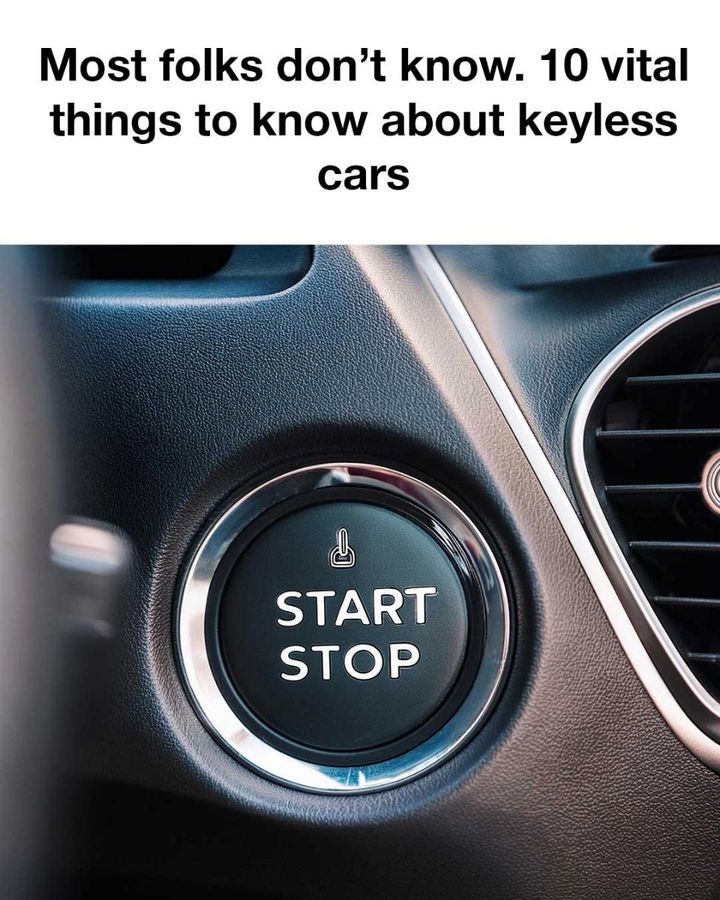
Modern automotive engineering has transformed the driving experience over the past two decades. What was once considered an exclusive luxury feature found only on high-end vehicles has now become a standard amenity across nearly every vehicle segment. We are talking, of course, about keyless entry and push-button ignition systems. Today, millions of drivers step into their automobiles every single day, touch a door handle to unlock the vehicle, and push a single button to start the engine—all without ever removing a physical key fob from their pocket or purse.
While keyless technology unquestionably offers unparalleled convenience, it also introduces a completely new set of operational quirks, safety considerations, maintenance responsibilities, and security vulnerabilities. Unfortunately, vehicle manufacturers rarely spend time explaining the finer nuances of keyless systems when you drive off the dealership lot. Most vehicle owners simply learn as they go, often discovering critical features or potential hazards only after encountering a frustrating issue or an emergency situation.
Whether you drive a daily commuter sedan, a luxury crossover, or a heavy-duty pickup truck, understanding the mechanics of your keyless entry and ignition system is essential for your safety, vehicle longevity, and financial peace of mind. In this comprehensive guide, we unpack the ten vital things every keyless car owner needs to know, covering everything from hidden mechanical keys and emergency bypass techniques to relay attacks, insurance implications, and smart maintenance habits.
1. There is Still a Physical Key Inside Your Digital Key Fob
One of the most common panics modern drivers experience occurs when their keyless fob battery dies completely. You walk up to your locked vehicle, press the button, touch the handle, and… nothing happens. In a moment of panic, many drivers assume they are stranded and immediately call roadside assistance or a towing service.
However, almost every keyless key fob manufactured today contains a hidden physical mechanical key inside its plastic casing.
How to Access and Use the Physical Emergency Key
-
Locate the Release Switch: Look closely at the back or side of your key fob casing. You will typically find a tiny mechanical slider, latch, or button.
-
Release the Blade: Slide or press this button while pulling gently on the keyring loop or top cap. A metal key blade will slide out smoothly.
-
Locate the Door Keyhole: Inspect your driver’s side door handle. On many modern cars, the keyhole is visible. On others, it is concealed beneath a small plastic protective cap at the end of the handle base.
-
Pry the Protective Cap: If hidden, look for a small notch underneath the door handle cap. Insert the metal key tip into the notch to gently pop off the plastic cover, exposing the emergency key cylinder underneath.
Once unlocked manually, you can enter your vehicle even if your key fob is completely dead.
2. How to Start a Keyless Car with a Completely Dead Fob Battery
Unlocking your door manually gets you inside the vehicle, but how do you start an engine when the push-button ignition relies on an electronic radio frequency signal from a dead battery? Automotive engineers anticipated this exact scenario when designing push-to-start systems.
Inside your dead key fob sits a passive RFID (Radio-Frequency Identification) chip that does not require battery power to transmit a short-range signal. Vehicle designers place a backup wireless receiver directly behind or extremely close to specific locations inside the cabin.
Methods to Start Your Car with a Dead Fob:
-
The Direct Push Method: Press your vehicle’s brake pedal with your foot, and use the plastic casing of the key fob itself to physically press the Start/Stop engine button. The close proximity allows the car’s backup reader to scan the passive chip.
-
The Steering Column Reader: Some models feature a dedicated key symbol printed on the side of the steering column. Hold your dead fob directly against this symbol while pressing the brake pedal and Start button.
-
The Center Console Slot: Certain luxury models feature a dedicated pocket, slot, or cupholder lining specifically designed to hold a key fob. Dropping a dead fob into this slot allows the vehicle to detect the passive RFID signal instantly.
Knowing where your vehicle’s backup reader is located can save you hundreds of dollars in unnecessary emergency towing fees.
3. The Danger of Relay Attacks and Keyless Theft
As automotive technology evolves, auto theft techniques evolve alongside it. Traditional car thieves relied on physical lockpicks or hotwiring ignition columns under the dash. Today’s sophisticated thieves utilize digital tools in a practice known as a relay attack.
Keyless systems work by constantly sending out faint low-frequency signals. When your fob comes within approximately three to five feet of your vehicle, the car recognizes the fob and unlocks the doors. Relay theft occurs when thieves exploit this proximity system using two inexpensive signal amplifiers or radio relay boxes.
[ Thief #1 Near House ] ----(Relays Signal)----> [ Thief #2 Beside Car ] ----> [ Vehicle Unlocks & Starts ]
How a Relay Attack Works:
-
Thief #1 stands near your house front door or garage window with a signal amplifier to capture the signal emitting from your key fob sitting on a table inside.
-
Thief #2 stands right beside your vehicle in the driveway holding a paired receiver device.
-
The equipment tricks your car into believing the key fob is standing right next to the driver’s door.
-
The doors unlock, the thieves push the start button, start the engine, and drive away in seconds without causing any physical damage.
How to Protect Your Vehicle Against Digital Theft
Because auto theft creates major complications involving auto insurance claims, replacement costs, and potential liability, taking preventive measures is vital.
-
Use a Faraday Bag or Box: Faraday pouches are lined with metallic mesh that blocks all incoming and outgoing radio frequency signals. Storing your keys inside a Faraday box at home renders them invisible to signal amplifiers.
-
Keep Keys Away from Outer Walls: Avoid placing your key ring on hooks near your front door, entryway, or front windows.
-
Disable Key Fob Signals: Some car keys allow you to temporarily disable keyless signals by holding down specific button combinations (such as holding the Lock button while double-tapping the Unlock button). Check your owner’s manual for model-specific instructions.
4. The Accidental Carbon Monoxide Hazard in Enclosed Garages
Before keyless ignition became widespread, leaving an engine running inside a residential garage was difficult to do accidentally. Turning off a traditional car required physical effort: removing a key, which also turned off your radio, dashboard lights, and climate controls.
With push-button start systems, vehicles run exceptionally quietly. If a driver is distracted—taking a hands-free phone call, carrying heavy groceries, or managing children—they may put the car in ‘Park’, step out, walk inside the house, and completely forget to press the Start/Stop button to switch off the engine.
If a vehicle is left idling inside an attached garage, dangerous carbon monoxide fumes can seep through drywall and air ducts into living areas. Modern safety standards have pushed manufacturers to install automatic engine shutdown features that turn off an idling car after 10 to 30 minutes of inactivity, but older keyless vehicles may lack this life-saving feature.
Always make it an absolute habit to visually inspect your instrument cluster for full shutdown before walking away from your car.
5. What Happens If the Fob Battery Dies While You Are Driving?
A frequent fear among keyless car owners is the idea that their engine will abruptly stall while traveling at highway speeds if the key fob battery dies unexpectedly or falls out of a window.
Rest assured: your car engine will NOT shut off while driving if keyless connection is lost.
For safety reasons, automotive software is specifically designed never to kill engine power while a vehicle is in motion based solely on key proximity. If your key fob loses power or is accidentally tossed out of the car while moving down the road:
-
The vehicle will continue running normally so you can steer and brake safely.
-
A prominent warning message (such as “Key Not Detected” or “Key Fob Battery Low”) will illuminate on your instrument panel.
-
The engine will remain running until you physically press the Start/Stop button.
Crucial Warning: If you see a “Key Not Detected” warning while driving, do not turn off the engine until you have reached a safe, secure destination where you have access to your key fob or a fresh battery. Once you switch off the engine without a recognized key nearby, you will not be able to restart the vehicle.
6. How Proximity Range Affects Your Vehicle’s 12V Starter Battery
Keyless vehicles are always “listening.” Even when parked overnight with the engine off, your car’s body control module maintains low-level power to continuous wireless antenna circuits, waiting for the matching radio code from your key fob.
If you park your car in an attached garage or driveway and hang your key fob on a wall hook just inside the door—within 10 to 15 feet of the front bumper—the key fob and vehicle may remain in a continuous high-power handshaking communication loop.
This continuous exchange keeps vehicle computer modules active instead of allowing them to enter a deep sleep mode. Over time, this persistent signal pinging can drain both your key fob’s internal battery and your car’s main 12-volt starter battery. To prevent unnecessary battery drain:
-
Store key fobs at least 15 to 20 feet away from where your car is parked.
-
Store fobs in signal-blocking metal containers if keeping distance is difficult due to home layout.
7. Understanding Replacement Costs, Programming, and Insurance
Losing a traditional metal car key used to be a minor inconvenience costing $10 to $20 at a local hardware shop. Losing a modern keyless fob, however, is a significantly higher financial expense.
| Key Type | Estimated Replacement Cost | Programming Required |
| Traditional Mechanical Key | $10 – $30 | No |
| Transponder Key (Chipped) | $50 – $150 | Yes (Basic) |
| Modern Keyless Smart Fob | $250 – $600+ | Yes (Advanced OBD/Dealer) |
Modern smart keys require proprietary pairing software that connects the fob’s unique digital signature to your car’s internal Engine Control Unit (ECU).
Key Protection and Comprehensive Coverage
Because replacing smart keys can cost hundreds of dollars per unit, many drivers explore optional coverage solutions:
-
Auto Insurance Add-ons: Certain comprehensive auto insurance policies offer optional key replacement riders that cover the cost of lost, stolen, or damaged smart fobs.
-
Extended Warranties & Protection Plans: Dealership finance departments frequently offer key protection products during new or used vehicle purchases. Always review terms carefully to ensure coverage limits match modern replacement pricing.
8. Replacing Key Fob Batteries Is a Simple DIY Task
When your vehicle displays a “Key Fob Battery Low” warning on the dashboard, you do not need to schedule an expensive service appointment at a car dealership. Replacing a fob battery is an easy 5-minute DIY task that costs under $5.
Step-by-Step Battery Replacement Process:
-
Identify the Battery Type: The vast majority of keyless fobs utilize standard coin-cell lithium batteries—most commonly CR2032, CR2025, or CR2016. Check the back of your existing battery or owner’s manual before buying.
-
Open the Casing: Remove the mechanical emergency key blade first. Use a flathead screwdriver wrapped in a thin cloth (to prevent scratching the plastic) and gently twist it inside the seam slot exposed by removing the key blade.
-
Swap the Cell: Pay strict attention to the battery polarity (the positive
+side almost always faces upward). Pop out the old cell and insert the new one. -
Snap Shut: Align the plastic halves and press them firmly together around the edges until you hear them snap back into place.
9. Keyless Mechanics and Steering Wheel Locks
Drivers raised on older vehicle designs are familiar with the mechanical steering lock: when you turn off the key and pull it from the ignition column, the steering wheel mechanically locks in place until the key is reinserted and turned.
Keyless ignition cars handle steering lock mechanics electronically through an Electronic Steering Column Lock (ESCL) system:
-
When you press the Start button with your foot on the brake, an electric solenoid retracts a locking pin automatically.
-
If your vehicle’s 12V electrical system is completely dead, the electronic lock may remain engaged, preventing you from turning the front wheels even if you release the emergency parking brake.
-
If your steering wheel feels stuck and the engine won’t start when pressing the Start button, gently wiggle the steering wheel left and right while pressing the Start button simultaneously to relieve mechanical pressure on the electronic lock pin.
10. Digital Phone Keys: The Next Evolution of Keyless Driving
As convenient as physical key fobs are, automotive technology is already moving toward removing separate key fobs altogether. Smartphone integration via NFC (Near Field Communication) and UWB (Ultra-Wideband) wireless technology allows drivers to transform their smartphones and smartwatches into secure vehicle keys.
Using encrypted digital key protocols, your smartphone can unlock your car as you approach and allow engine startup as long as your phone is sitting on a wireless charging pad inside the vehicle.
Advantages of Smartphone Digital Keys:
-
Revokable Guest Access: You can text a secure digital key code to a family member or friend through an app, allowing them access to your vehicle for a specific time window.
-
Profile Synchronization: Approaching the vehicle with your personal smartphone automatically adjusts seat positioning, side mirrors, steering column height, climate preferences, and infotainment presets before you take your seat.
-
Reduced Carry Bulk: Eliminates the need to carry bulky plastic fobs on your keychain.
Practical Maintenance Tips for Keyless Car Owners
To keep your keyless entry and ignition system operating without a hitch, incorporate these simple habits into your vehicle routine:
-
Replace Fob Batteries Proactively: Do not wait for your fob to fail completely. Replace the coin-cell battery every 2 to 3 years as preventative maintenance.
-
Keep Spare Keys in a Safe, Dry Location: Never store spare key fobs inside the vehicle glovebox or center console. The car may refuse to lock its doors if it detects an active fob inside.
-
Protect Fobs from Water Damage: Keyless smart fobs contain delicate circuit boards. Water damage from rain, swimming, or laundry washing machines can corrupt internal chips.
-
Carry a Spare Coin Battery in Your Glove Compartment: Keeping an inexpensive spare battery in your car ensures you are never caught unprepared on long road trips or business travel.
Frequently Asked Questions (FAQ)
Can I leave my keyless car idling while I pop into a store?
Yes, in most vehicles the engine will remain running even if you exit with the key fob in your pocket. However, leaving an idling car unattended poses safety risks and may be illegal in jurisdictions with strict anti-idling laws. Additionally, thieves can still break a window and drive the car away until the engine is turned off.
Why won’t my car start even though my key fob is inside with me?
The most common reasons are:
-
You are not pressing down firmly enough on the brake pedal while pushing the Start button.
-
The key fob battery is too weak to send a strong signal (try pushing the button with the fob itself).
-
The car’s main 12V starter battery is depleted.
-
Signal interference from strong electronic devices located right next to the key fob (like a smartphone or laptop).
Will dropping my key fob damage its internal components?
Modern key fobs are designed to withstand everyday accidental drops on soft surfaces. However, repeated hard impacts on concrete can crack the delicate soldering on internal circuit boards, detach the antenna, or dislodge the battery contact points. Using a protective silicone or leather fob cover can absorb shock from accidental drops.
Does my auto insurance cover key replacement if I lose my smart key?
Standard liability or collision auto insurance policies usually do not cover lost keys. However, if your key is lost due to a covered comprehensive event (such as theft or house fire), or if you purchased a specific key replacement endorsement, your insurance provider may reimburse replacement costs.
Final Thoughts
Keyless entry and push-button start technology have undeniably made modern driving more convenient and seamless. However, unlocking the full potential of these advanced systems requires knowing how they operate behind the scenes.
By keeping a fresh battery in your fob, knowing how to locate your emergency physical key, securing your signal from relay theft, and understanding how your car responds during unexpected situations, you can enjoy all the benefits of keyless driving with complete confidence and peace of mind.
